
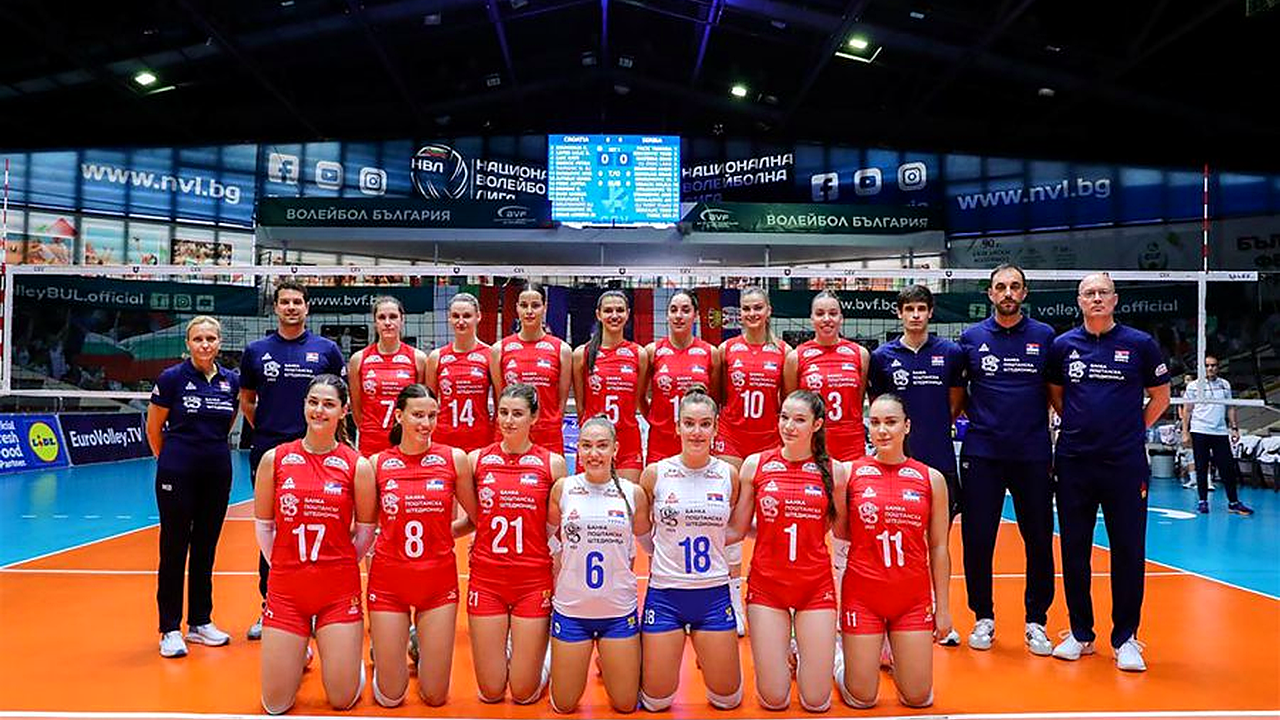
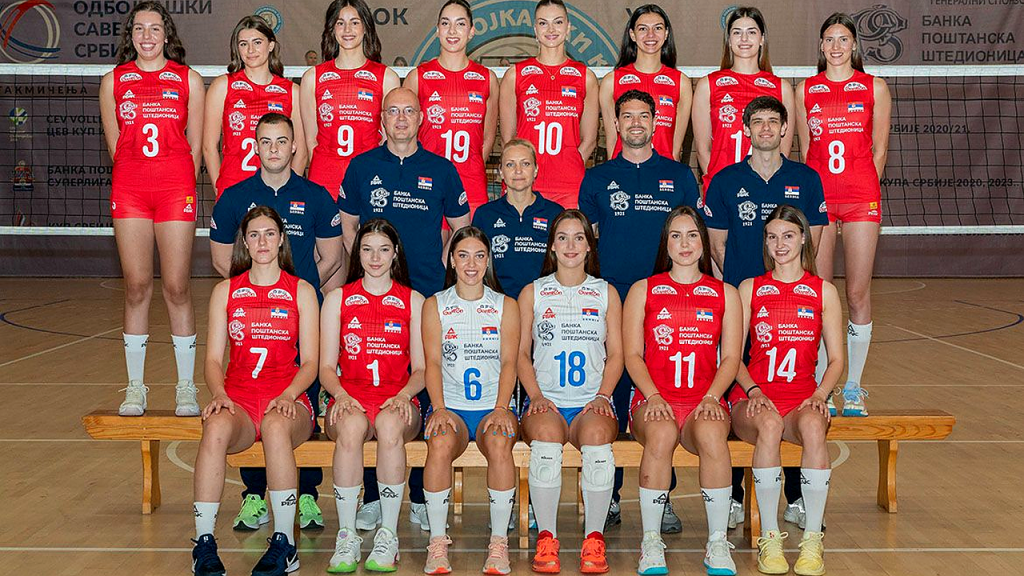
Serbia’s young senior women have travelled to Brzece for the first stage of their preparations for the 2026 European Championship in The Hague.
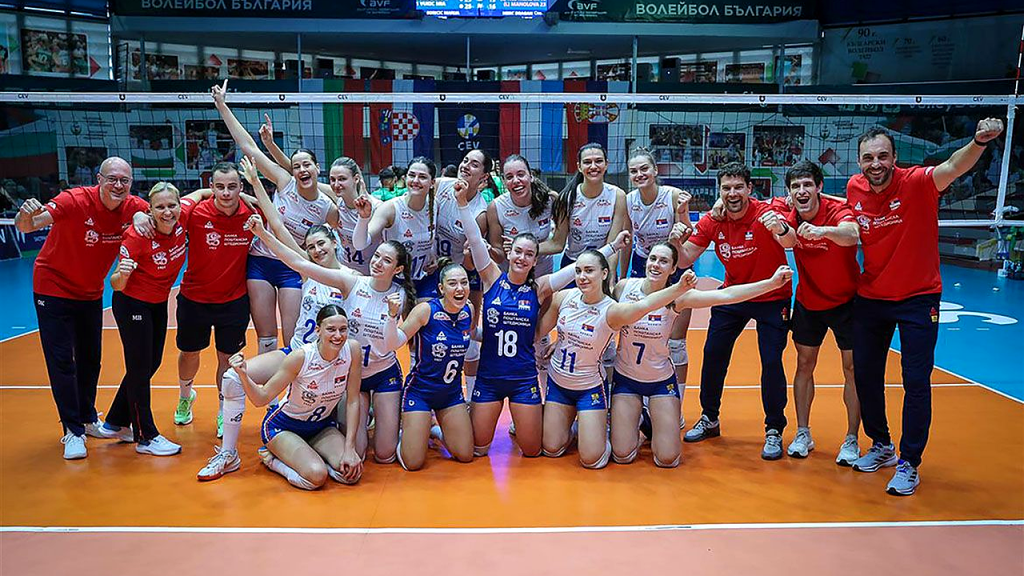
Marijana Boricic has called up 18 players, and Serbia enter the camp as back-to-back under-22 European champions.
Why Brzece is the first test
The Brzece block runs until 22 June, after which preparations move on to Ub. The preparations matter because Serbia arrive with a reputation for winning medals.
Serbia will remain in Ub until their departure for the Netherlands on 5 July. The move from Brzece to Ub will show how the plan narrows.
The shape of the squad
The roster includes setters Teodora Krickovic, Miona Tasic and Tea Stojanovic, giving the coaching staff more rhythms of play to work with. The balance across positions gives the staff room to try different line-ups.
The group includes two opposites, two liberos, four middle blockers and six outside hitters. Portugal are the first competitive test.
| Area | Detail |
|---|---|
| First stage | Brzece until 22 June |
| Second stage | Ub until 5 July |
| Group rivals | Portugal, Italy and Poland |
| Competition | European Championship in The Hague |
Key details
Serbia will play in Group B against Italy, Poland and Portugal. Group B is demanding enough that the team needs to find its rhythm before the tournament.
The opener is against Portugal on 7 July at 16.00, followed by Italy and Poland. Those two matches test whether Serbia can repeat a high level across two games on consecutive days.
The schedule in The Hague
The top two teams in each group advance to the semi-finals, so the first three matches leave little room for a slow start. At Brzece, the physical and tactical habits are beginning to take shape.
Alongside this story on Serbia’s young senior women starting their Brzece preparations for the European Championship, the full day’s programme can be followed through Serbia’s Manila VNL schedule gives the final tournament race a clear shape and Serbia sweep Bulgaria to close a statement VNL week in Brazilia, which shows how Serbian sport is developing across several competitive fronts.
Conclusion
The schedule gives the story of Serbia’s young senior women’s preparations a clear frame. The first stage at Brzece until 22 June is the starting point, and the second stage at Ub until 5 July shows where the pressure shifts once the opening phase is over.
The Serbian angle stays concrete because the next checkpoint is visible. Group rivals Portugal, Italy and Poland, and the competition, the European Championship in The Hague, place the news in an exact sporting calendar.
The key question is rhythm. Serbia cannot separate the first step from the next, because the same team has to carry its answer into the following challenge.
The selection side matters as much as the headline. Rotation, recovery and the type of opponent will decide whether the current position turns into momentum.
The next match or tournament block will show whether Serbia can keep the strongest part of this news. That answer will mean more than general expectations.
The competitive frame is simple: Serbia have a named rival, a venue and a short list of tasks that can be checked straight away.
The coaching staff now has to combine urgency with control. Pushing too hard can drain the group, while waiting too long hands the rival the tempo.
The wider Serbian sporting calendar adds weight to the story. Each result now sits alongside other national team and club news.
The clearest thing to watch is the first contact with pressure. If Serbia start well, the next detail becomes easier to control; if not, the schedule tightens quickly.
The figures in the table are not decoration. They fix the dates, the rivals and the route that turn general news into a precise sporting checkpoint.
The final layer is the reaction. Serbia already have a framework; the next result will show whether that framework becomes progress.
The conclusion has to stay tied to the event itself. The value of this story on Serbia’s young senior women’s preparations depends on the next action, not on general enthusiasm around the squad.
The first stage remains the point to follow, since Brzece runs until 22 June. The move from Brzece to Ub will show how the plan narrows.
The second stage remains the point to follow, since Ub runs until 5 July. Portugal are the first competitive test.
The group rivals remain the point to follow, since Portugal, Italy and Poland.
The competition remains the point to follow, since the European Championship in The Hague. The move from Brzece to Ub will show how the plan narrows.
The first stage remains the point to follow, since Brzece until 22 June. Portugal are the first competitive test.
The second stage remains the point to follow, since Ub until 5 July.
The move from Brzece to Ub will show how the plan narrows.
Portugal are the first competitive test.
The first stage remains the point to follow, since Brzece until 22 June.
The second stage remains the point to follow, since Ub until 5 July. The move from Brzece to Ub will show how the plan narrows.
Serbia’s young senior women have a clear preparation map. Brzece starts the work, Ub sharpens it, and The Hague will show whether the standard of reigning champions can power a new push for a medal.