
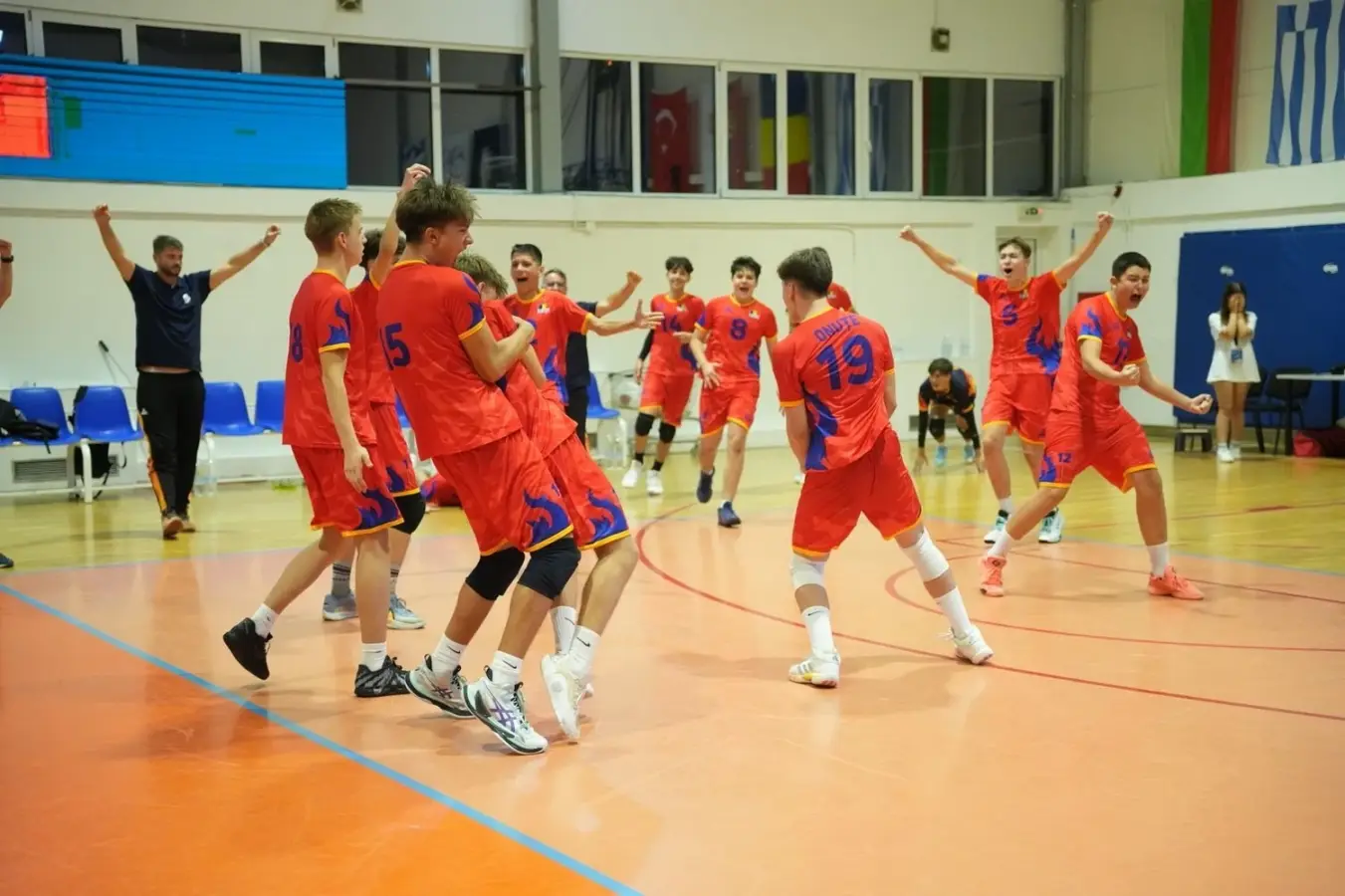
Serbia’s boys’ Under-16 national team finished the Balkan Championship in Mytilene with a 3:1 defeat to Bulgaria. Bulgaria won the first two sets 25:10 and 25:19. Serbia hit back to take the third 25:22, but Bulgaria wrapped up the fourth 25:18 and sealed the match. Serbia closed the event with four defeats, one point and four sets won.
The final score and the four sets tell one clear story
The official record shows a 3:1 win for Bulgaria. That result should not be confused with the outcome of each individual set. Bulgaria reached 25 points first in the opening two sets. Serbia then took the third 25:22 to trim the deficit to 2:1. Bulgaria took the fourth 25:18 and finished the contest. Laid out in this order, it is clear that Serbia’s third-set win did not change the overall direction of the match.
Serbia’s strongest response came in the third set
After losing the first two sets, the Serbian players did not let the match end without a reaction. They stayed close to their opponents through the middle of the third set, then played the closing points with more composure and won 25:22. That spell did not erase the earlier problems, but it showed the side could shift the flow of play while the match was still running. For a young squad, the ability to take on instructions and respond after a difficult start matters.
| Item | Confirmed detail |
|---|---|
| Final opponent | Bulgaria U16 |
| Match result | Bulgaria win 3:1 |
| Set scores | 25:10, 25:19, 22:25, 25:18 |
| Serbia’s tournament record | Four defeats, one point, four sets won |
| Venue | Mytilene, Lesbos |
Bulgaria controlled the start and quickly turned up the pressure
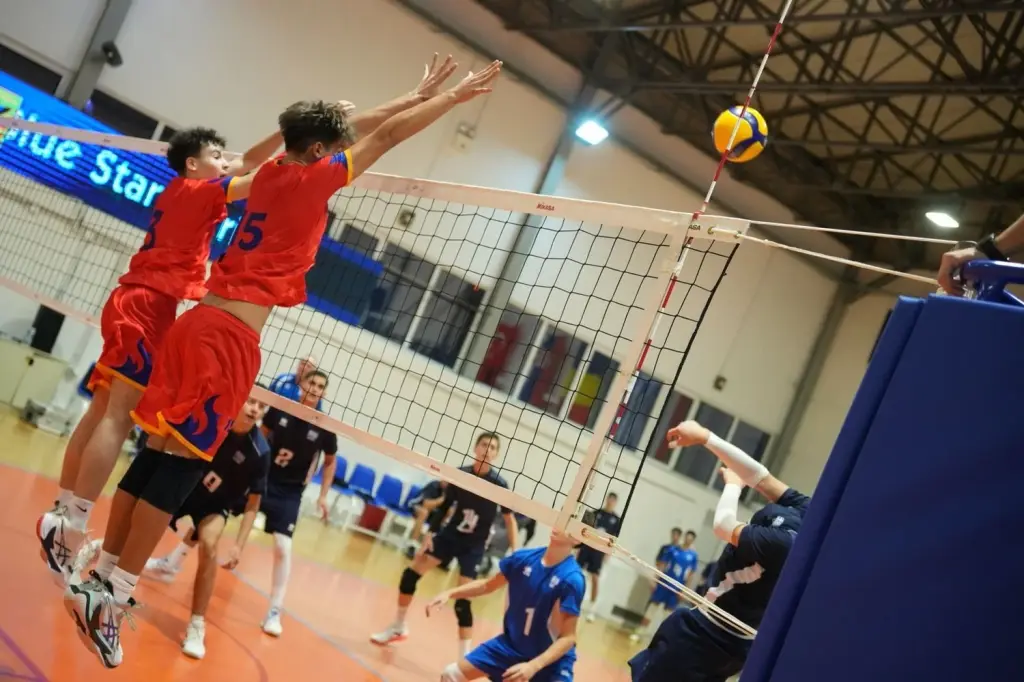
The first set ended 25:10, which gave Serbia little time to settle into its usual structure. The second set was better and finished 25:19, yet Bulgaria again got to the finish line first. Serbia needed a more secure first contact and a cleaner setup before attacking. When reception drifts far from the target, the setter has fewer simple options and the opposing block has an easier read. Any review should therefore start from the first touch, not only from the final shot.
The fourth set showed that one good spell is not enough
Winning the third set opened the door to a comeback, but Serbia needed to keep the same level of control at the start of the fourth. Bulgaria restored its rhythm, built a lead and closed the set 25:18. The Serbian side found space in some rallies and extended points, but that did not last long enough to force a fifth set. The lesson is straightforward: a change only counts once a team can repeat it after the opponent responds.
The tournament record should be presented without embellishment
Serbia played four matches and did not win any of them. The side collected one point and four sets in total. Those are not impressive numbers, but they give the coaching staff an accurate starting point. An earlier five-set match showed that Serbia can stay in a contest for a long time, while the duel with Bulgaria exposed the cost of a slow entry into the game. Both facts can stand together. Development begins with a precise review, not with a softer version of the table.
The next step is day-to-day work at club level
Players born in 2012 and later are eligible for this squad, so the championship is just one stage in a longer process. Coaches can return to serving, reception, movement into attack and communication after a lost point. The players from Lesbos carry the experience of four international opponents and a short tournament schedule. One good set does not guarantee a place at the next gathering, but a hard tournament does not define a whole career either. Progress will show in the next training cycle.
Back from Lesbos, the coaching staff can separate the problems that kept recurring from the reactions that already produced results. The start against Bulgaria calls for work on the security of the first contact and faster communication between players. The third set offers a positive example: the team stayed within its structure, played the closing stage more calmly and reached 25 points before its opponent. The next aim is not simply to remember that phase, but to make the same order visible from the opening of the next match. In this way, the tournament experience becomes a concrete training plan. With players of this age, a public verdict should not turn one mistake into a label. It matters more to explain body position, choice of option and teammate support in the next action. Coach Darko Gorunović and his staff now have material from four different matches. They can compare how Serbia reacted when it led a set, when it fell behind early and when the decision came in the closing stage. That comparison is worth more than a general message that the side simply has to play better.