
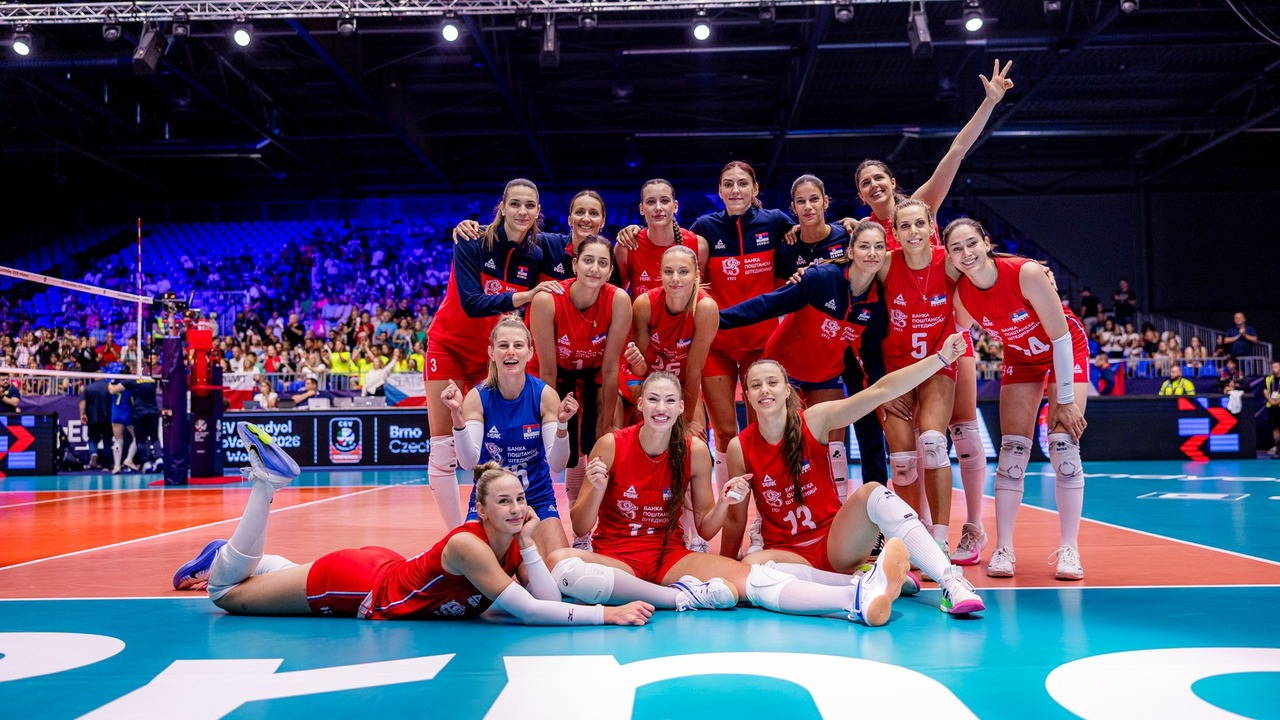
Ukraine reached at least 21 points in every set, and 22 in the second. Serbia handled the decisive rallies with calm receptions and cleaner finishes.
Patience decided the first set
Ukraine kept close to Serbia and did not allow an early break. Serbia protected their reception and waited for a chance to press with the serve. Once the first attack was prepared, the block could read the opponent’s intentions more easily. Serbia took the closing points because the side stayed composed in the moments that decide a set.
The opening 25:21 did not mean the set was easy. Serbia had to keep their shape after every Ukrainian reply and avoid giving away points with inaccurate attacks. Only when serve and block began working together did the hosts gain room for a secure finish.
Ukraine came closest in the second set
The second set stayed within a few points for a long time. Ukraine found their way through attacking play, but Serbia did not let the lead turn into a comeback. The home players cut their errors and kept their rhythm once the score entered a tight zone. That kind of control mattered more than one powerful serve.
The 25:22 score shows how little room there was for a bad decision. Serbia did not try to finish every rally with the first blow. The side accepted longer exchanges, kept the ball in play and waited for the moment when the Ukrainian block was left without a good set-up.
Serbia closed the third set without a dip
After a two-set lead, a letdown could have followed, but it did not. Serbia kept using different attacking options and maintained good communication in defence. Ukraine stayed combative but could not string together the run of points needed to extend the match. The third set confirmed the discipline of the home side.
The closing 25:21 followed the same pattern: Ukraine stayed near, while Serbia handled the final exchanges better. The hosts did not allow a fourth set, so they saved energy and finished the group without extra strain.
Serve and reception kept the match under control
A strong serve does not need to end in an ace to be useful. It is enough to push the reception away from the net and force the opponent into a more predictable attack. Serbia used such situations to set up their block and defence in the back court.
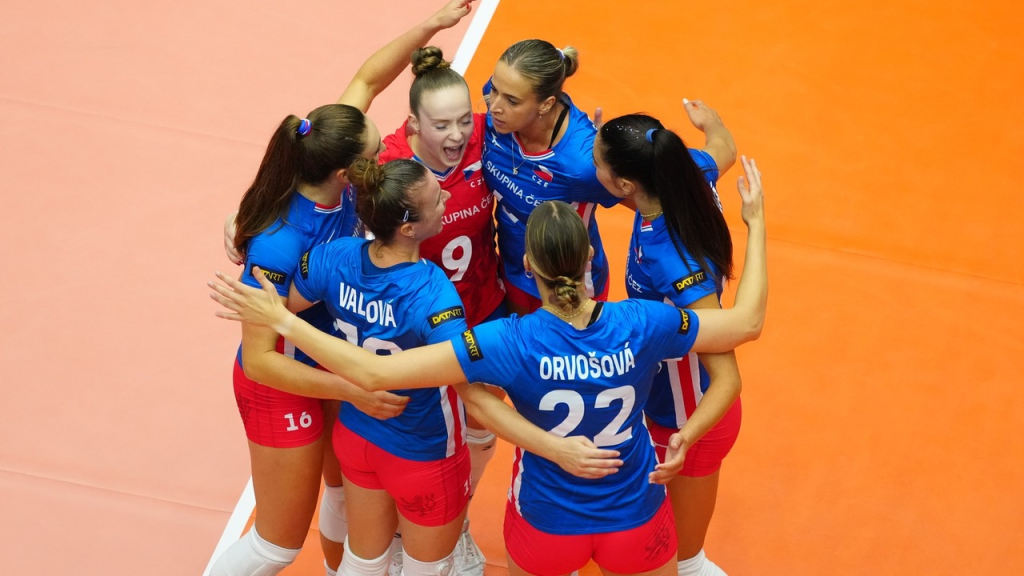
The advantage came from repeated good actions rather than from a single run.
When the first contact was calm, the Serbian side could attack through several zones. That stopped Ukraine from reading every ball in advance and let the setters vary the tempo. A steady reception mattered most in tight finishes, because the side could then choose a solution instead of simply returning the ball over the net.
The group ended with a clean record
Serbia finished the group phase unbeaten. That record is a fact about the group and does not guarantee the outcome of a knockout match. Every game in the elimination stage starts from zero, but the experience of three close sets gives the side clear proof that it can stay focused to the last point.
It is important to separate the group record from what comes next. The wins fix Serbia’s position in the completed part of the tournament, but they bring no advantage in points or sets to the next match. The coaching staff can take only the experience from this match, the options available and a clear picture of form.
| Set | Serbia | Ukraine |
|---|---|---|
| First | 25 | 21 |
| Second | 25 | 22 |
| Third | 25 | 21 |
The set scores confirm the final 3:0
A win in three sets reduces the physical load compared with a long match. At the same time, the scores of 25:21, 25:22 and 25:21 together give the final 3:0. Each of those figures belongs to a separate row of the table, because each row is a single set.
The overall gap in points was smaller than the set result might suggest. That is why it is more accurate to say Serbia were better in the closing stages three times, rather than that they held a large lead throughout. Such a description keeps the logic of the match and follows the table exactly.
The knockout stage begins with a new match
The next opponent and date depend on the official competition schedule. In the new match Serbia will again have to win the first point, protect their reception and control the closing exchanges. The group record remains a sound base, but it does not turn into a set or a result already won.
The match against Ukraine showed that Serbia can keep their concentration even when the opponent stays close to the final points. In the elimination stage that quality matters even more, because a weak spell cannot be made up in a later round of the group competition.
The three won sets belong to one completed match. The final 3:0 does not describe three separate events, but the sum of sets in which Serbia reached the required 25 points before Ukraine each time.