
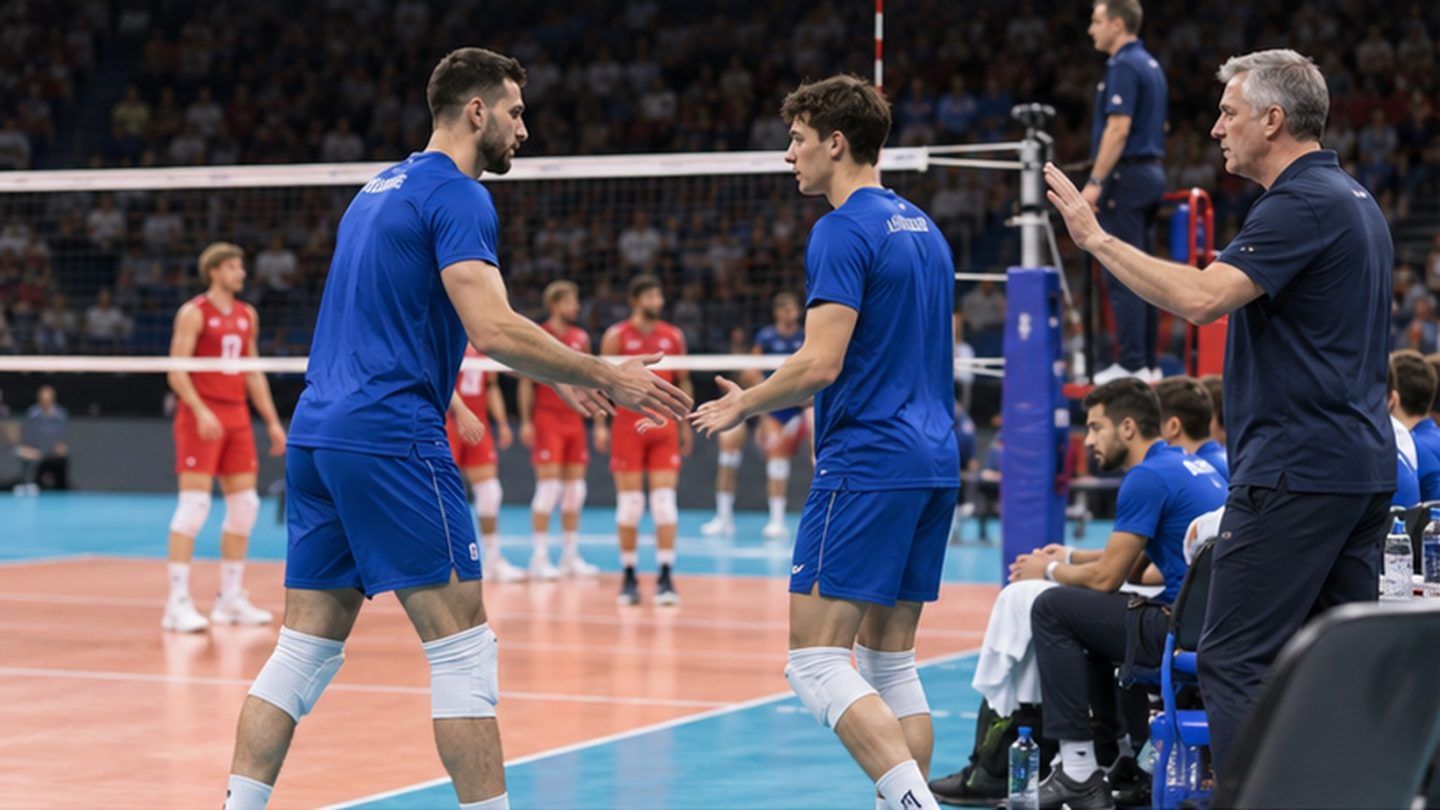
New rules for the 2026/27 volleyball season raise the permitted number of substitutions per set from six to eight, and allow squads of 13 or 14 players to register just one libero. The Polish federation is putting the decision into effect immediately in its competitions, in line with guidelines trialled during the international season. The warm-up protocol has changed too, with separate 90-second periods for serving. On the surface the rules look administrative, but they could directly alter how a set is run and how a team is put together.
Two further changes give coaches more room to use specialists. A server can come on for the closing stages, a blocker can be replaced by a stronger defender, and a setter and a back-row specialist can switch in and out as a pair more often. Until now that kind of plan used up all six available changes quickly and left little cover for an injury or a tactical adjustment. With eight changes the bench gains real value, but coaches must keep clear records and avoid spending their options too early.
Extra substitutions widen tactical options
The biggest benefit will go to sides with deeper rosters. A club with two different types of back-row player or a reliable server can shift the rhythm without rebuilding the lineup. It also opens more minutes for younger players in clearly defined roles. Frequent changes can, however, break a team’s rhythm and cause confusion in the rotation. Having more options does not mean every one of them has to be used.
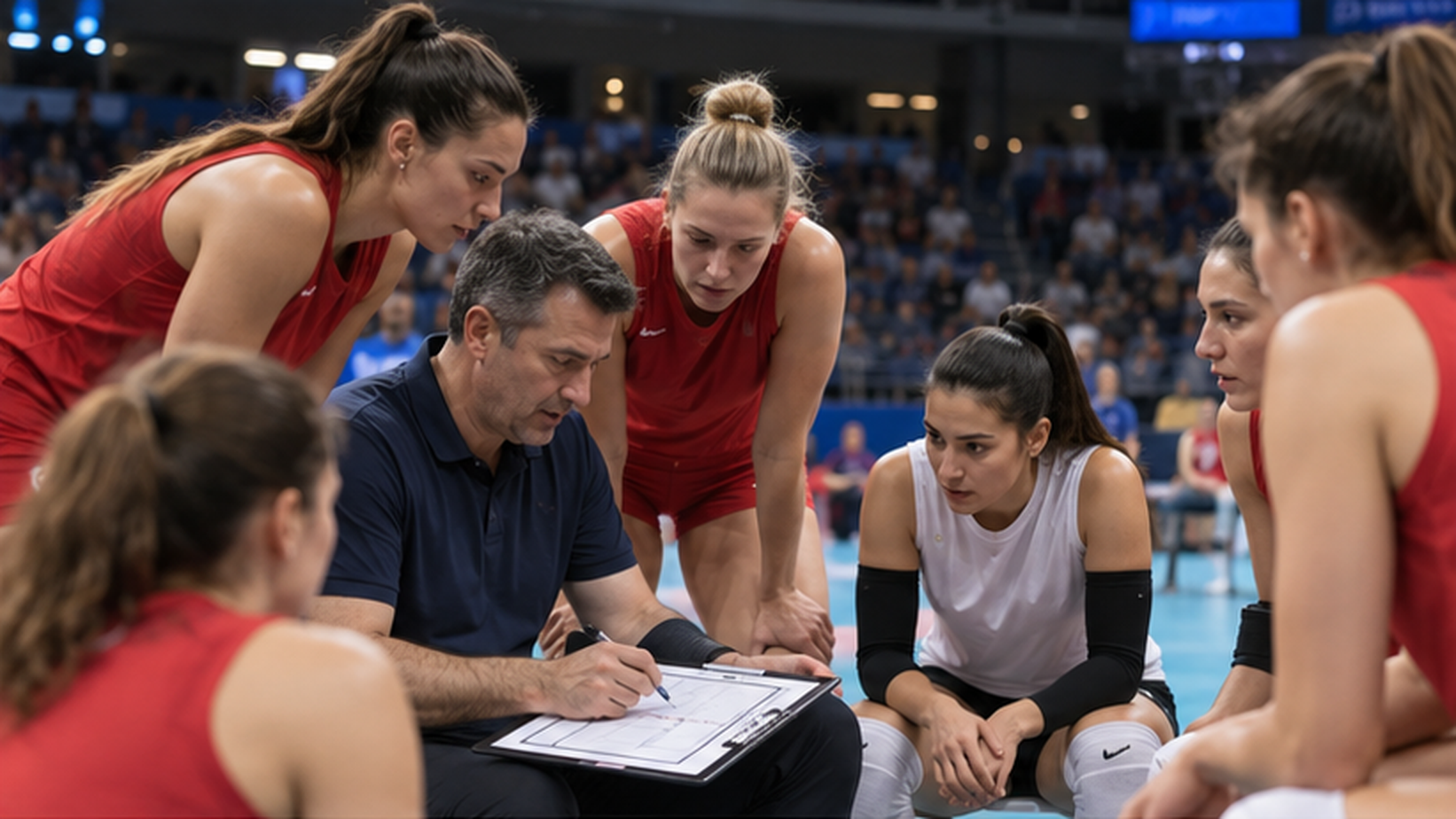
For referees and the scorers’ table, the change demands precise communication. A mistake in the order of entries can hand a point to the opponent, so clubs have to adapt their software, signalling and the routine of assistant coaches. In a tight finish, two extra substitutions increase the number of decisions made in a short space of time. A well-prepared coaching staff settles several scenarios in advance, rather than improvising each time according to the mood of the moment.
The libero rule gives clubs more freedom in building a squad. A team with 13 or 14 players no longer has to register two liberos, and can choose one plus an extra attacker or blocker. That helps sides with smaller budgets and coaches who trust one specialist in reception. The risk is obvious: if the only libero is injured during a match, defence and reception can suffer badly, so the decision calls for an assessment of fitness and of the quality of the replacements.
The changes are meant to speed up play without losing fairness
During 2026 the FIVB trialled a wider package of rules, with the aim of making the game clearer and more fluid. Alongside substitutions and squad composition, it looked at serving position, video challenges and the interpretation of contact. National leagues do not have to apply every detail in the same way if their own regulations do not require it. Clubs and supporters should therefore check the rules of the specific competition, particularly in a transitional season.
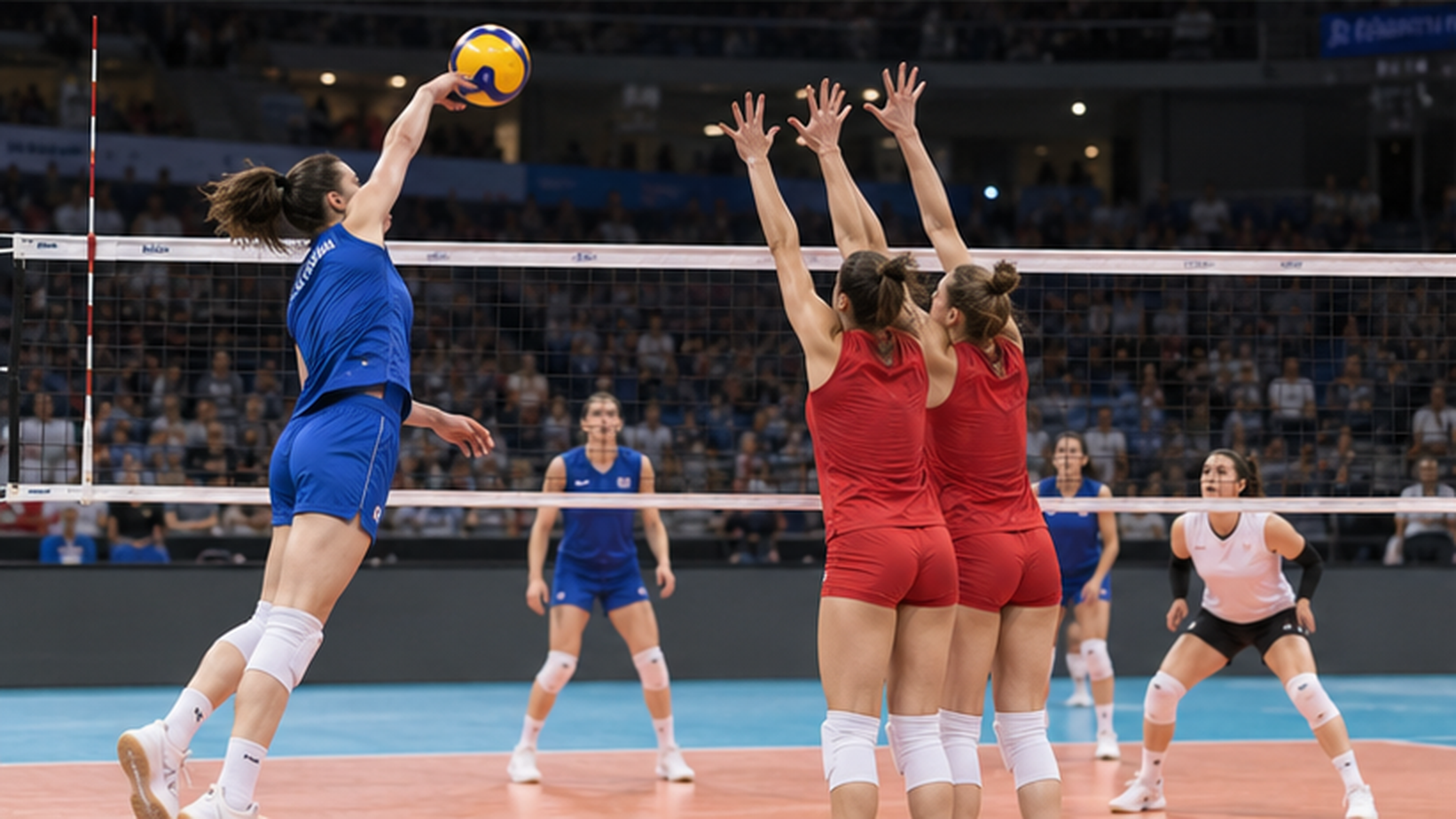
The separate serving periods during warm-up are intended to improve safety and give teams a clearer space to prepare. When both sides serve at the same time, balls cross the net from different directions and the risk of contact rises. Ninety seconds per team is not much, so servers will need to settle their routine in advance. The aim is not a large number of attempts, but a feel for the hall, the height of the toss and the depth of the strike.
The true effect will only become clear after several months of data. It will be worth tracking how often teams really use the seventh and eighth changes, whether sets run longer, and whether more players are given a specialised role. If the extra changes add tactical variety without excessive interruptions, the rule will have a clear purpose. The 2026/27 season is therefore both a competition and a practical test of how volleyball is trying to adapt to the pace of the modern game. Coaches will have to adjust their pre-planned substitution schemes during the first rounds and clearly divide responsibility between assistants and the scorers’ table. A seventh or eighth change can only prove decisive if the team knows why it is making it. National leagues will provide the first substantial samples of data, and their experience will help the FIVB judge the tempo of play, the number of stoppages and the real benefit for player development.