
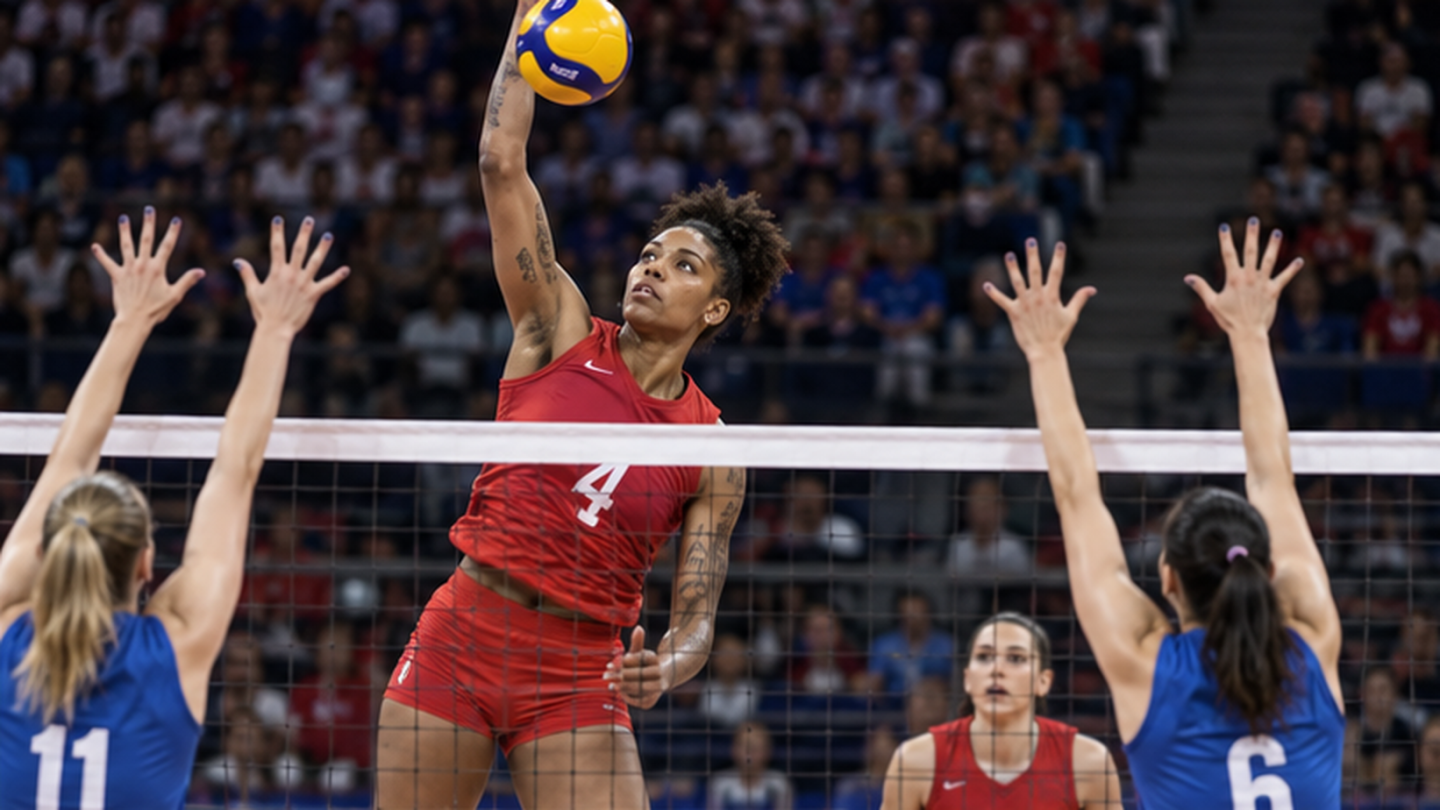
Melisa Vargas spoke about her decision to continue her international career in the shirt of Turkey, even though Serbia had also been mentioned earlier as one of the possibilities. One of the best volleyball players in the world has thereby reopened the discussion on sporting nationality, the long-term plans of federations and the moment when a player is offered a clear role. The choice did not come from a single conversation. It grew out of a process in which conditions for development, trust and the chance to compete at the biggest tournaments all carried weight.
Vargas was born in Cuba and quickly became recognised internationally for the power of her serve, her reach at the net and her ability to score from difficult balls. After changing her international route, Turkey gained an attacker around whom it can build its offence in the decisive rotations. For Serbia, the matter is of interest because, while her status was being considered, the squad already had top players and a clear hierarchy. Such competition can be a strength for a team, but it can also weigh on an individual’s decision.
An international choice needs a clear sporting plan
A player at this level does not judge only whether she can start immediately. The coach, the medical staff, the calendar, the relationship between club and national team and the realistic chance of Olympic medals all matter. A federation must explain how it sees her role over the coming years, especially when there are administrative deadlines for changing sporting nationality. Vague promises rarely beat a project that offers a clear path, stable funding and a strong domestic league.

In recent years Turkey has combined club investment, large crowds and a national team programme that attracts attention. Within that system Vargas received a central attacking role and enough quality team-mates that opponents cannot focus their whole block on her alone. Her individual strength raised the ceiling of the side, while the system reduced the pressure to solve every ball herself. It is an example of mutual benefit rather than a simple story of one player single-handedly changing a national team.
What Serbia can learn from this case
Serbia, even without Vargas, has a long tradition and strong results, so the decision should not be read as proof of weakness in the domestic programme. It is more useful to examine how communication works with players from the diaspora and with candidates who have several options. A fast, clear and honest assessment prevents long periods of uncertainty. A federation should not promise a place without competition, but it must show where a player can contribute and what development plan exists for the whole position.
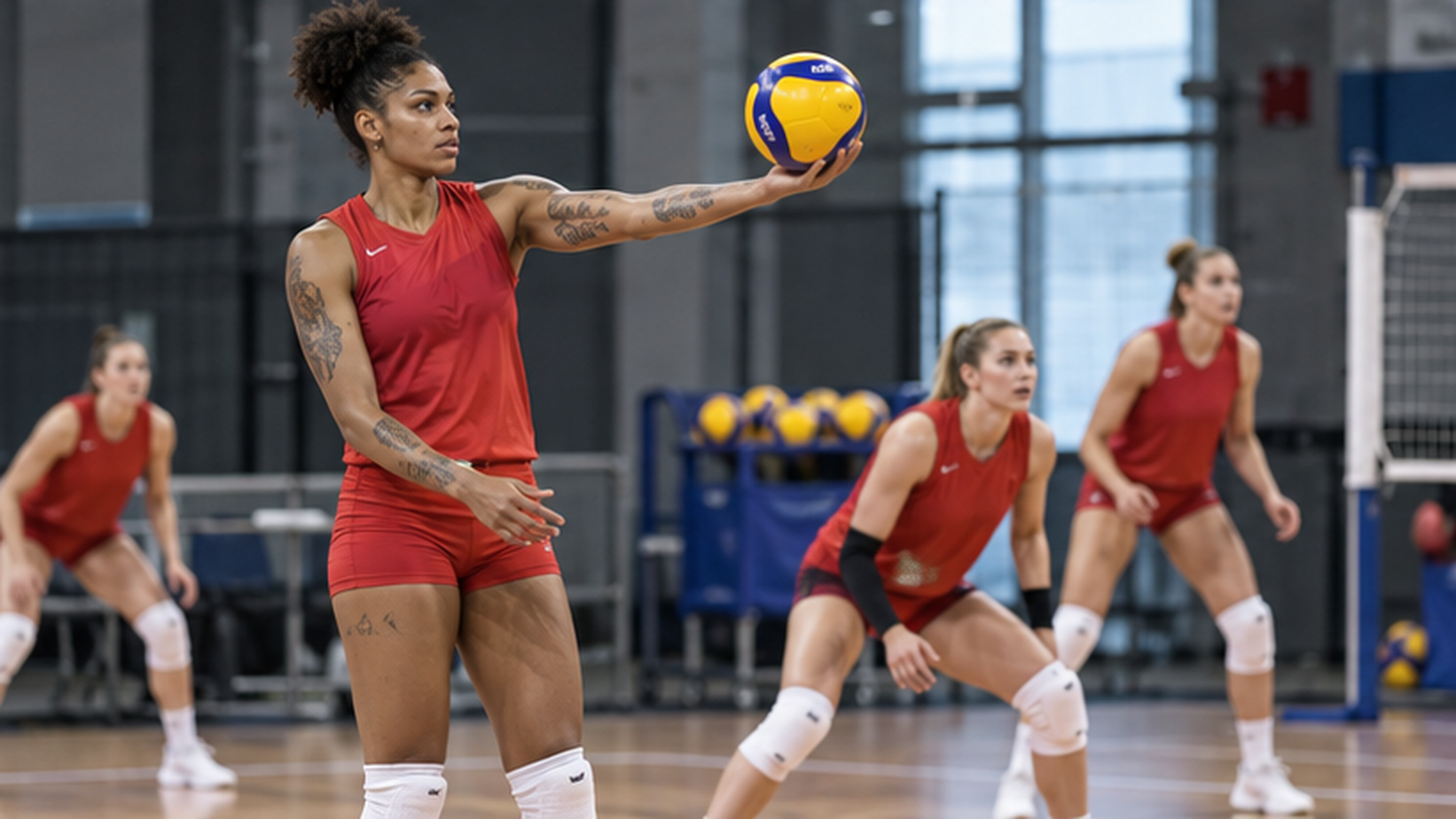
The case also reminds us that a national team is not a club transfer. International federation rules, citizenship and previous appearances create constraints that cannot be overcome by sporting will alone. The public often sees only the final decision, while negotiations, paperwork and deadlines stay out of view. Retrospective judgements should therefore rest on confirmed information, not on the assumption that any federation could simply have chosen a different outcome at the last moment.
Vargas is now firmly tied to the Turkish project, and her next goals relate to the results of that national team. For Serbia, it matters more to develop new setters and to keep the continuity of its own system than to return to a decision that has been settled. Her explanation still has value: it shows how much trust, timely planning and a clear role matter when a top athlete chooses a long-term national team environment. The domestic programme can benefit by following players with several national team options earlier and presenting the competition to them openly. At the same time, building its own school remains a safer foundation than waiting for an international change. Transparent criteria also protect the confidence of current internationals who have spent years moving through the youth selections.