
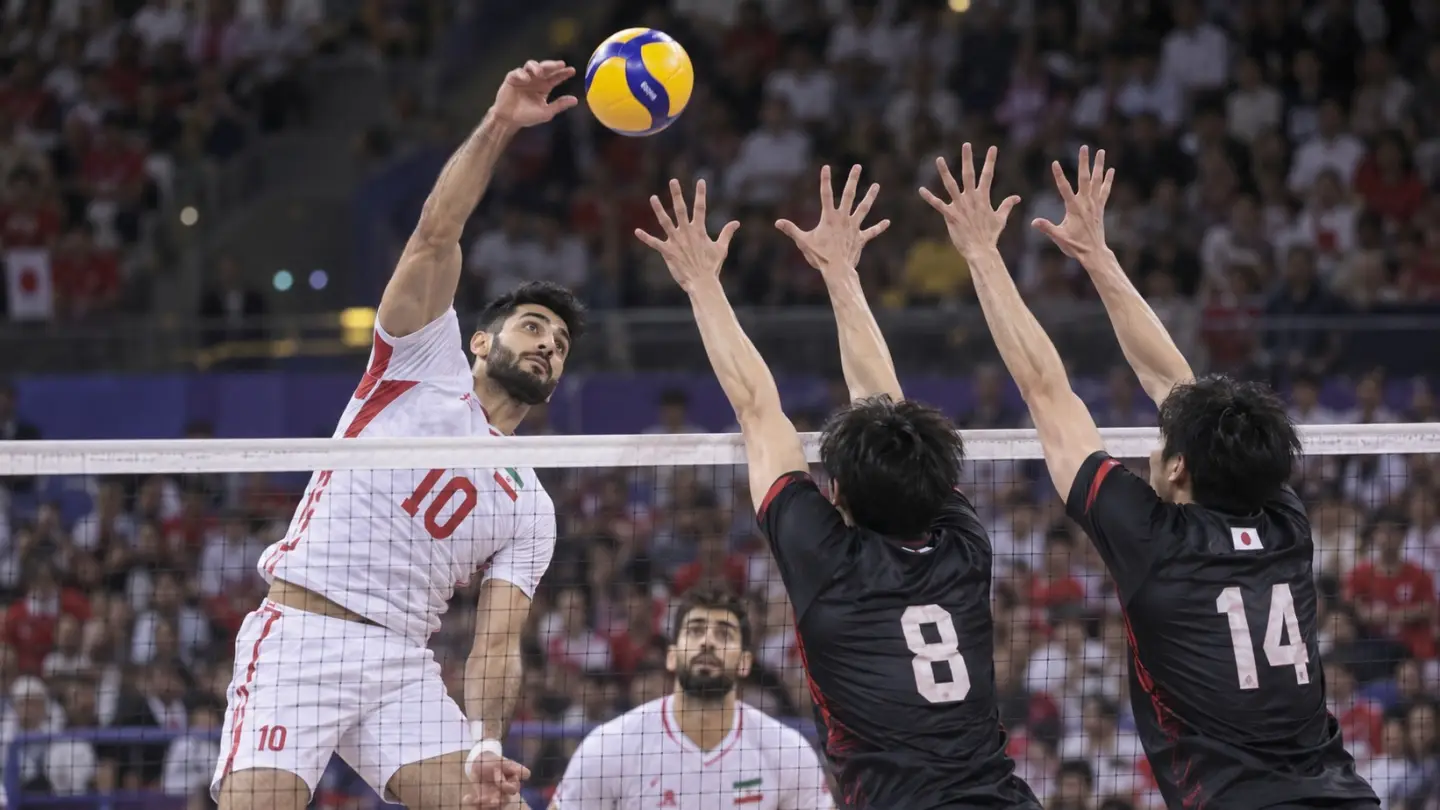
Iran beat Japan 3:1 in the Asian Games final to retain the men’s volleyball title. The sets ended 28:26, 22:25, 25:21 and 26:24 in favour of the Iranian side. The hosts levelled the match after the second set but could not take full control in front of their own crowd. Iran won both of the tight closing sets and showed more composure when a single serve or block could decide an entire period.
The first set set the tone for the final straight away. A 28:26 scoreline means both teams had chances to close the period, but Iran handled the last two balls better. In a finish like that, a powerful attack alone is not enough. Reception has to stay accurate enough to give the middle player or a quick pass to the far end of the net a real choice. Any predictable set makes it easy for the block to shut the main line and turn a set ball into a fresh chance for the opponent.
Iran took both close finishes
Japan responded in the second set with a 25:22 win and showed they could change the tempo. The hosts organised their defence faster after Iranian attacks and used balls that came back over the block. Rather than trying to finish every rally with the first hit, they extended exchanges and forced Iran to build the play again. The levelled score opened the final up, but it did not permanently solve the problems created by Iran’s serving pressure.
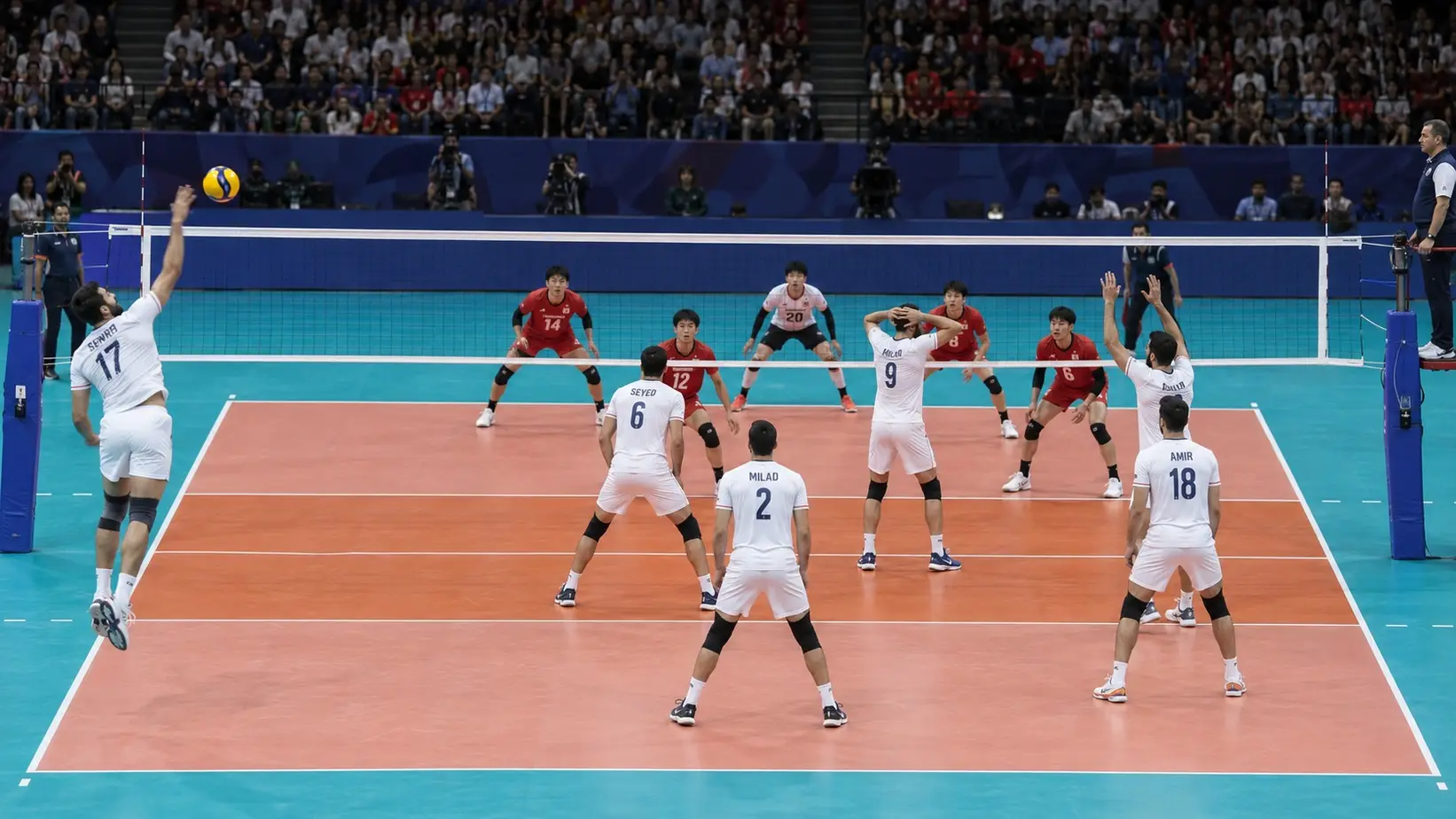
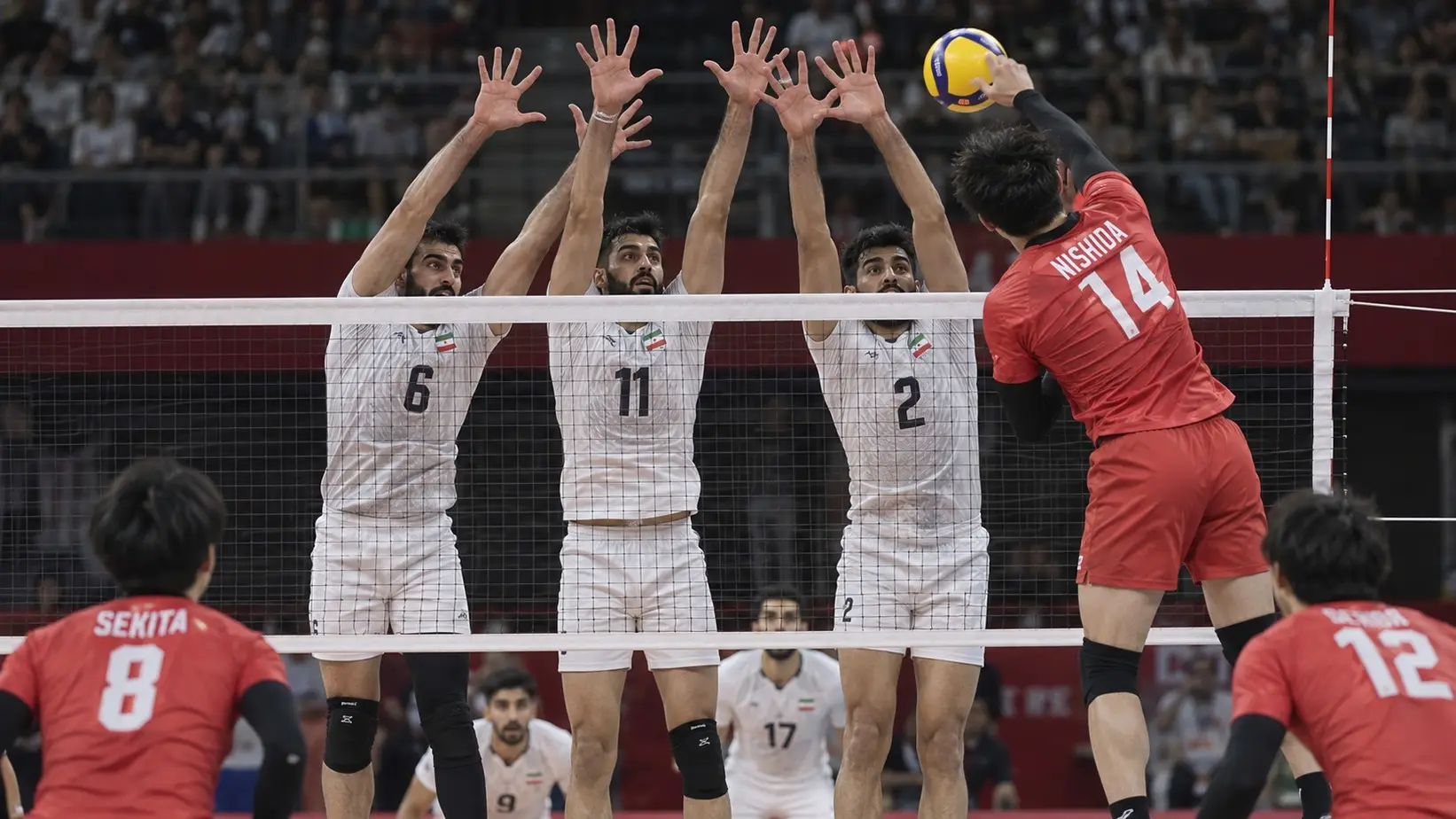
Iran took the third set 25:21, with a better link between serve and block. When a serve pushes the receiver away from the net, the setter has fewer options and a middle blocker can read the direction earlier. Iran then closed the diagonal and gave their defence a clearer job in the court. The advantage did not come from a single run of aces, but from several attacks Japan had to play from a weaker starting position.
Serve and block shifted the course after the levelled score
The fourth set again went beyond 25 points. Japan had the crowd behind them and the chance to take the match to a tie-break, but Iran kept their composure to win 26:24. In a decider of this kind, control of the first ball is what matters most: poor reception often hands the opponent a free attack or forces a high set against a set three-player block. Iran’s reception was good enough in the decisive moments to keep more options open.
For Japan, silver is a strong tournament, but the review of the final will probably start with the two close sets they lost. It is important to separate a technical error from a good action by the opponent. If the serve was of good quality, the main aim may simply be a high ball without a direct point for the rival. If reception was stable, the choice of attack has to be bolder. A general comment about pressure does not explain the different situations at 24:24.
Iran won gold because they kept their structure after losing the second set and found answers in serve, block and finishing. Defending the title confirms continuity, and also the ability to beat the hosts in a match that was never one-sided. The next cycle will bring new squads and different rivals. This team from the final offers a repeatable model: do not ease off the pressure after a levelled score, keep options open in reception, and save the best decisions for the points that decide a set.
The final’s statistics should connect the quality of reception with the choice of attack and the output against a set block. The percentage of points alone does not show whether the setter had every option or kept lifting high balls from a distance. Iran will therefore get a clearer picture of their edge, and Japan of what needs fixing. The most useful analysis turns the 3:1 result into concrete training rather than a general verdict on fighting spirit.
In preparing for the next tournament, Iran can keep up the serving pressure and work further on defence after a soft block. Japan will want a more stable exit when reception drifts off the net, and more options for the high ball. Both teams have clear material from the final. The difference is that the winners are working on refinements with gold in hand, while the hosts must turn their disappointment into a precise plan.