
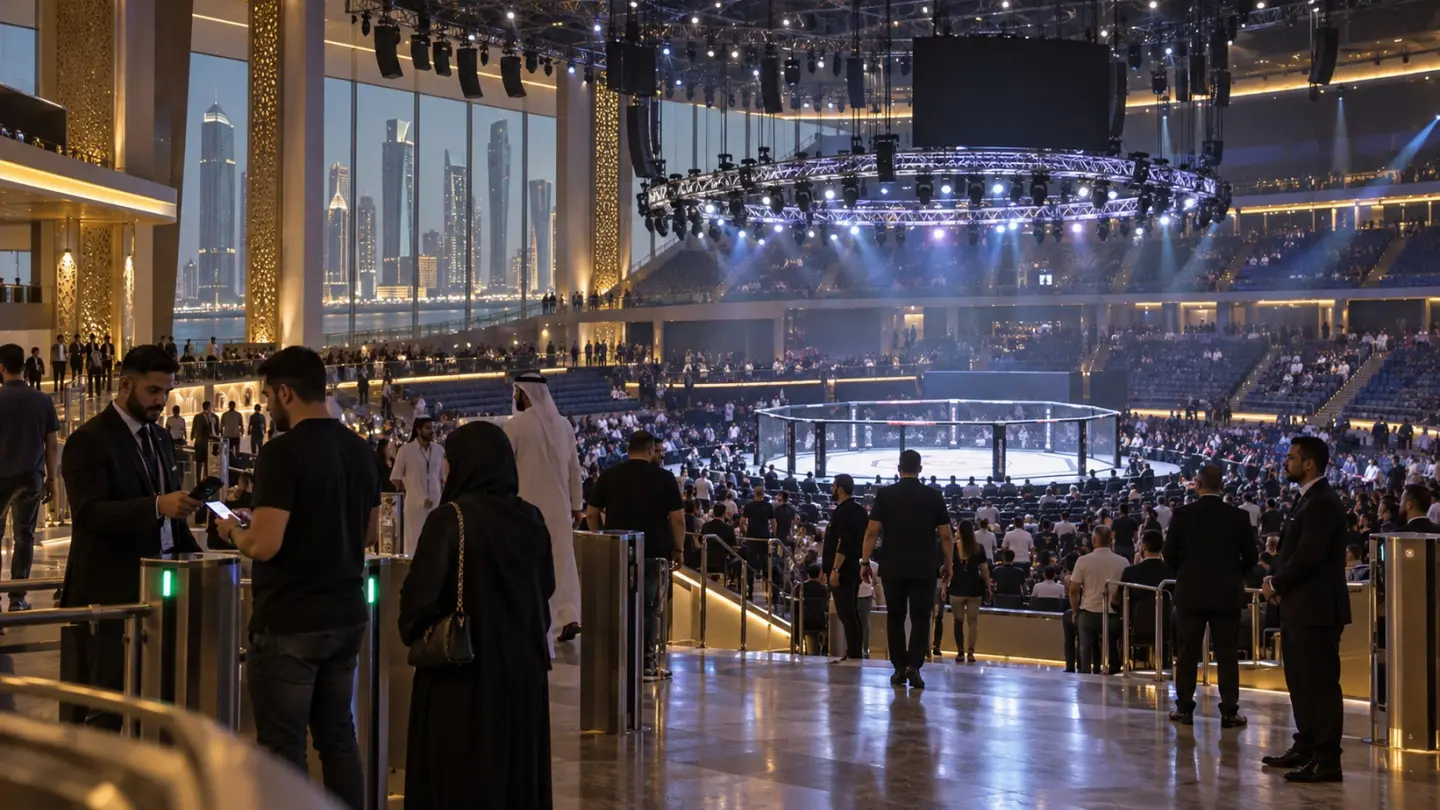
UFC opened ticket sales on 9 October for the event scheduled for 21 November in Doha. The organisation’s return to Qatar has therefore entered the final stage of promotion and of planning for public attendance. That fact sets the starting point for the analysis. Further conclusions only make sense once it is clear what has been officially confirmed, what depends on the next appearance, and which detail could change the picture first. The order matters: the event comes before the interpretation, and an expectation must not be presented as a settled outcome. For that reason, the next official update should confirm the consequence that is now marked as key.
The Doha event is part of a wider expansion of the UFC programme in the Middle East. For local audiences, sales six weeks ahead give time to choose a seat and plan the journey, while the organiser can gauge demand earlier. The final result does not always reveal how the advantage came about. It is worth following the allocation of responsibility, the reaction to the first setback and the ability to repeat the same good decision. A brief turnaround can hide a weak plan, while a quiet period without big statistics often prepares the decisive situation a few minutes later. Reading the event this way gives the reader a basis for understanding both the result and the decisions that preceded it.
Ticket sales open the final stage of preparation
The promotion must clearly separate confirmed bouts from possible changes and update the schedule quickly. For the fan, the most useful thing is a single official hub with timings, entry rules and information about any change to a ticket. The best solution leaves little room for an unclear decision. When an agreed signal appears, the change has to be quick, but it must not cancel out earlier good work. A fallback plan should therefore rely on familiar movements and roles; its purpose is to restore control, not to invent an entirely new game in the middle of the event. Execution is then judged by the clarity of the decision, the speed of the reaction and the quality of the position after the attempt.
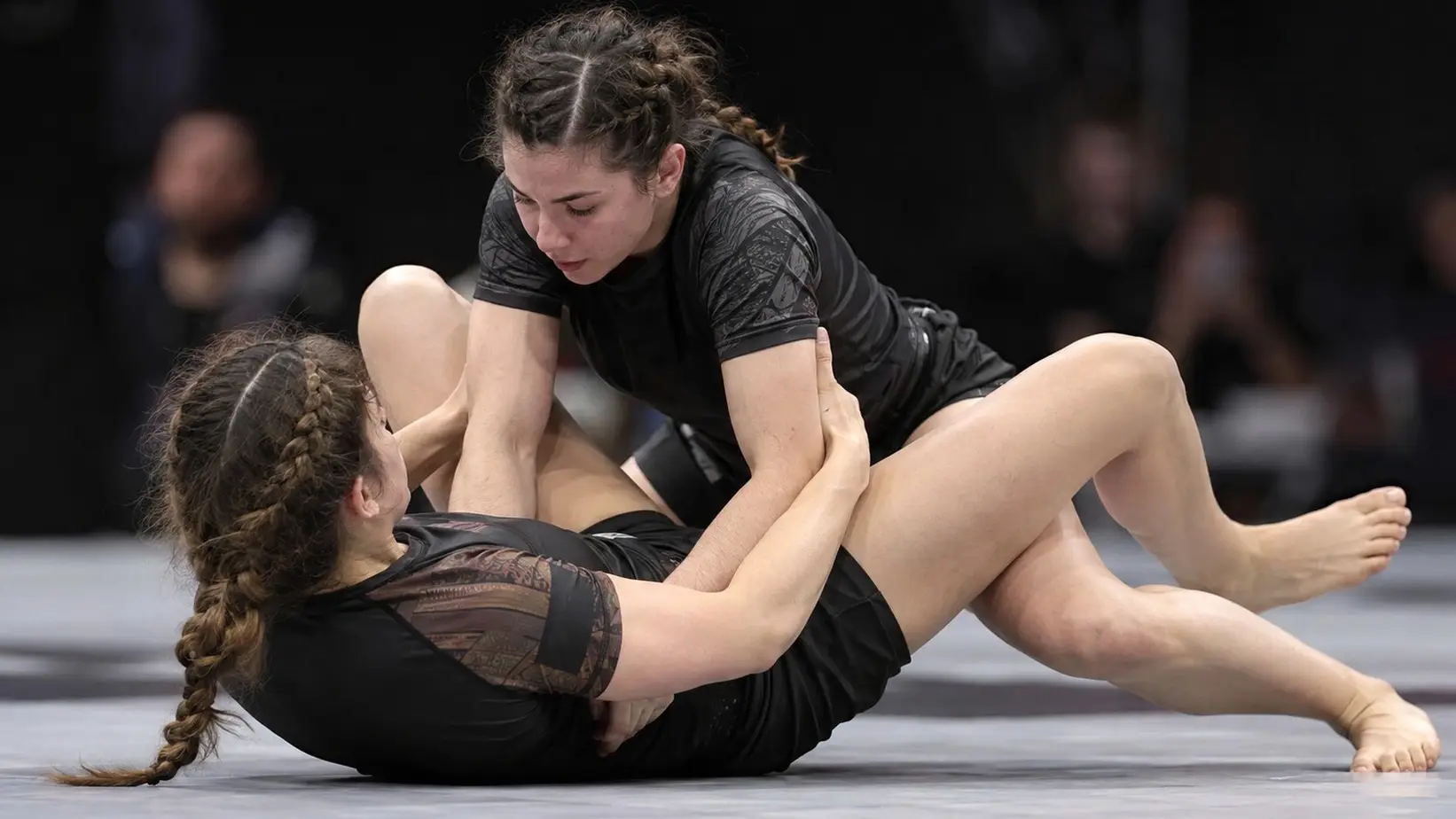
The fight card can change because of an injury or a medical decision. If marketing ties the whole value of the event to a single name, a late replacement causes a bigger fall in trust than when the programme is presented as a whole. Risk management determines how long a plan can last. A neutral outcome sometimes preserves position, energy or possession for a better opportunity, while forcing the issue without preparation opens the door to a counter. The balance between gain and danger shifts with time and the score, so the same decision is not equally good at the start and at the end. The real measure of discipline will be the number of situations in which the danger was recognised before it became damage.
The return to Doha tests the growth of a regional market
Interest can be tracked through the pace of sales by section, the geographic origin of buyers and the time between the announcement of the bout and the jump in demand. A full arena is the final indicator, but it does not explain what drew the audience. These figures make it possible to check the conclusion after the event. The final score shows the outcome, but only a comparison by period reveals where the advantage arose and whether it can be repeated. It is especially useful to separate the initial plan from decisions made under fatigue, because that is where the stability of technique and the quality of preparation become visible. If the values are read in sequence, it will be clear whether the change was planned, temporary or accidental.
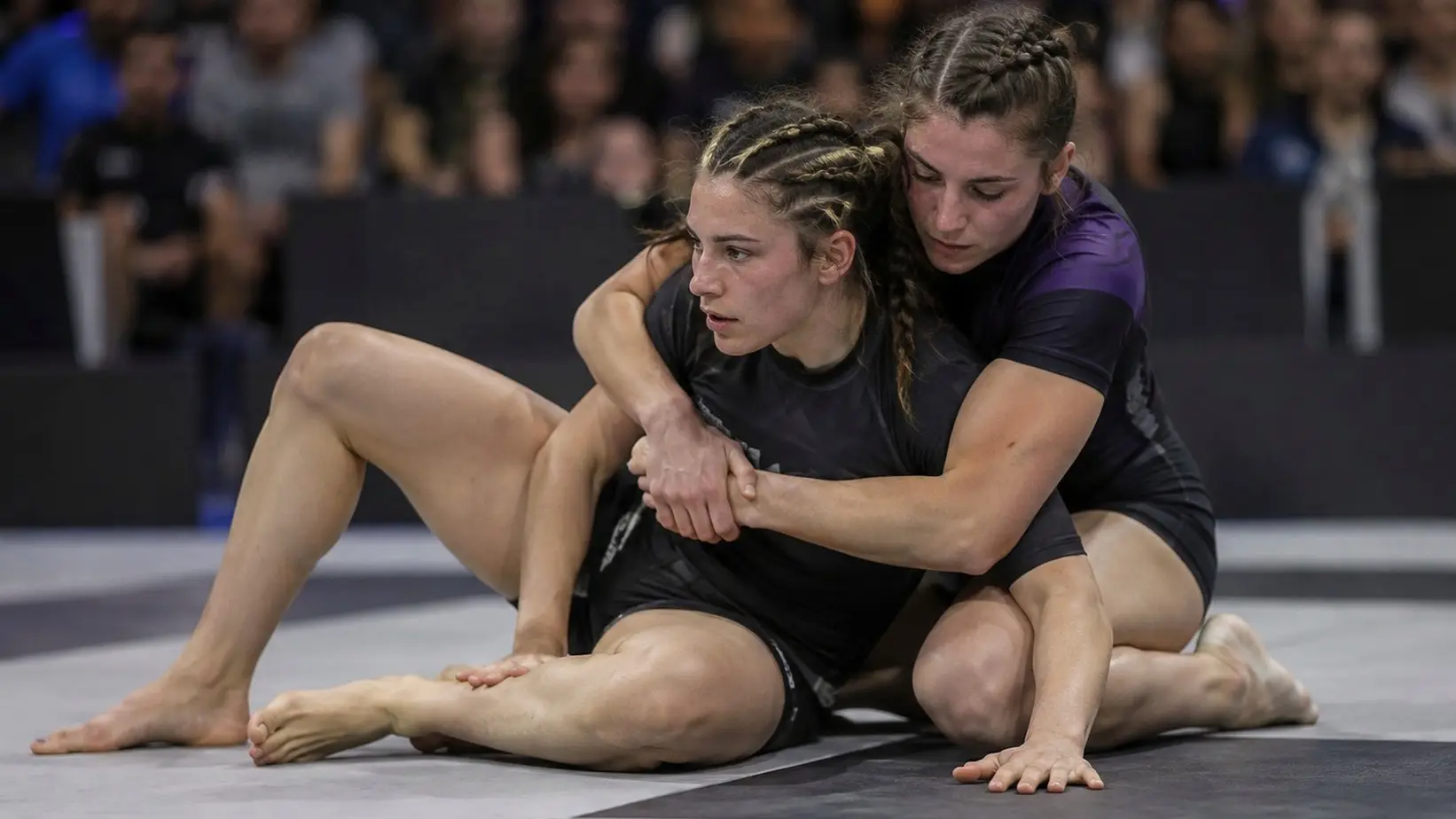
A successful event raises the likelihood of a more regular UFC calendar in Qatar and strengthens regional competition for major combat sports events. For local fighters and clubs it brings greater visibility and direct contact with a global organisation. The significance does not end with the last point or decision. A good performance opens a new opportunity, but consistency is what confirms that the change is sustainable. A weaker result can still be useful if two or three precise tasks follow from it. A broad change to everything usually hides the real cause and makes the next check harder. That follow-up gives today’s news lasting value and links the immediate outcome to the next realistic goal.
Opening sales is a concrete step, but the quality of the return depends on a stable card and clear information. The UFC will gain most if the audience in Doha experiences the event as a reliable regular destination rather than a one-off visit. The conclusion must therefore stay tied to the evidence currently available. The best next check uses the same control points under different conditions, so that it becomes clear what belongs to quality and what to circumstance. Repeating a good pattern against a new demand gives an assessment more weight than a single striking action. That is precisely why the final judgement should be updated only when a new, comparable piece of data comes from the official event.