
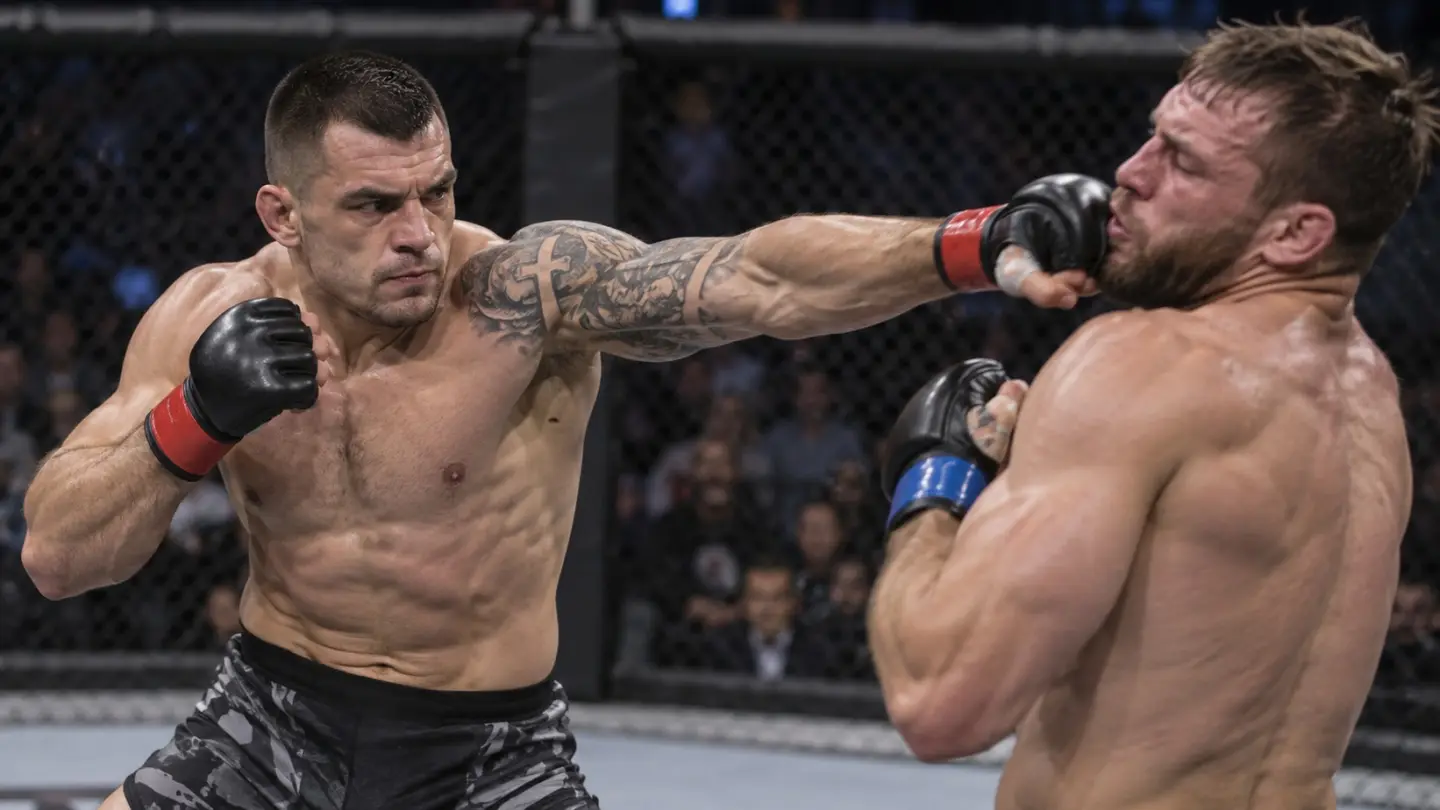
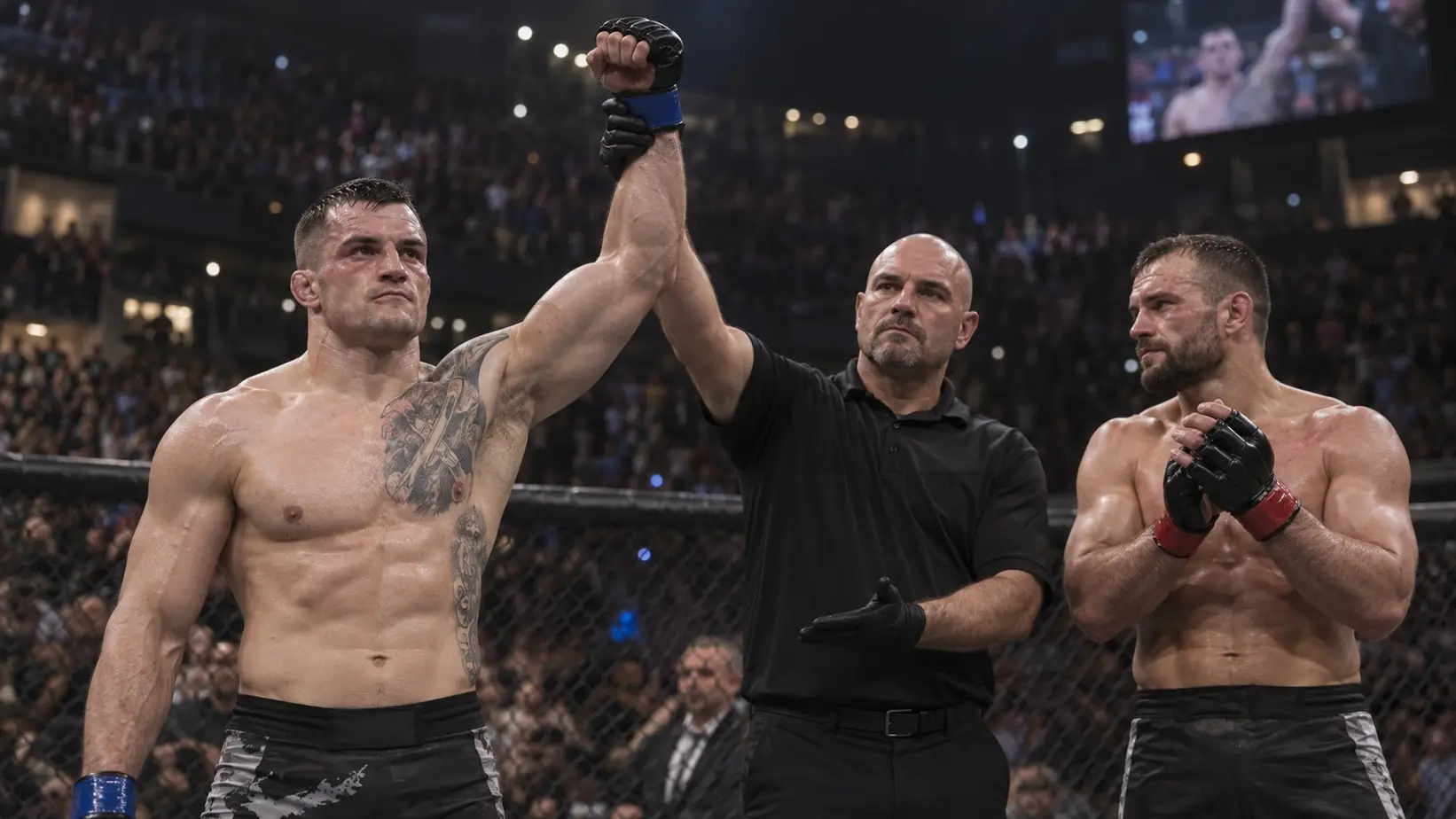
Roberto Soldić earned a unanimous decision over Kaos Williams on his UFC debut, with the judges’ scorecards reading 29:28, 29:27 and 29:27 in favour of the fighter from Bosnia and Herzegovina. Soldić returned after roughly 600 days out of action and got through a difficult start before taking control in the second and third rounds with sharper striking and grappling.
Williams landed heavy shots in the first round and showed why he is dangerous when an opponent stays in the middle distance. Soldić looked more cautious in his debut and at times remained in front of his rival after throwing his own combinations. Rather than answer with a wild exchange, he weathered the rush and began changing the tempo of his attacks, forcing Williams to defend takedowns as well as strikes.
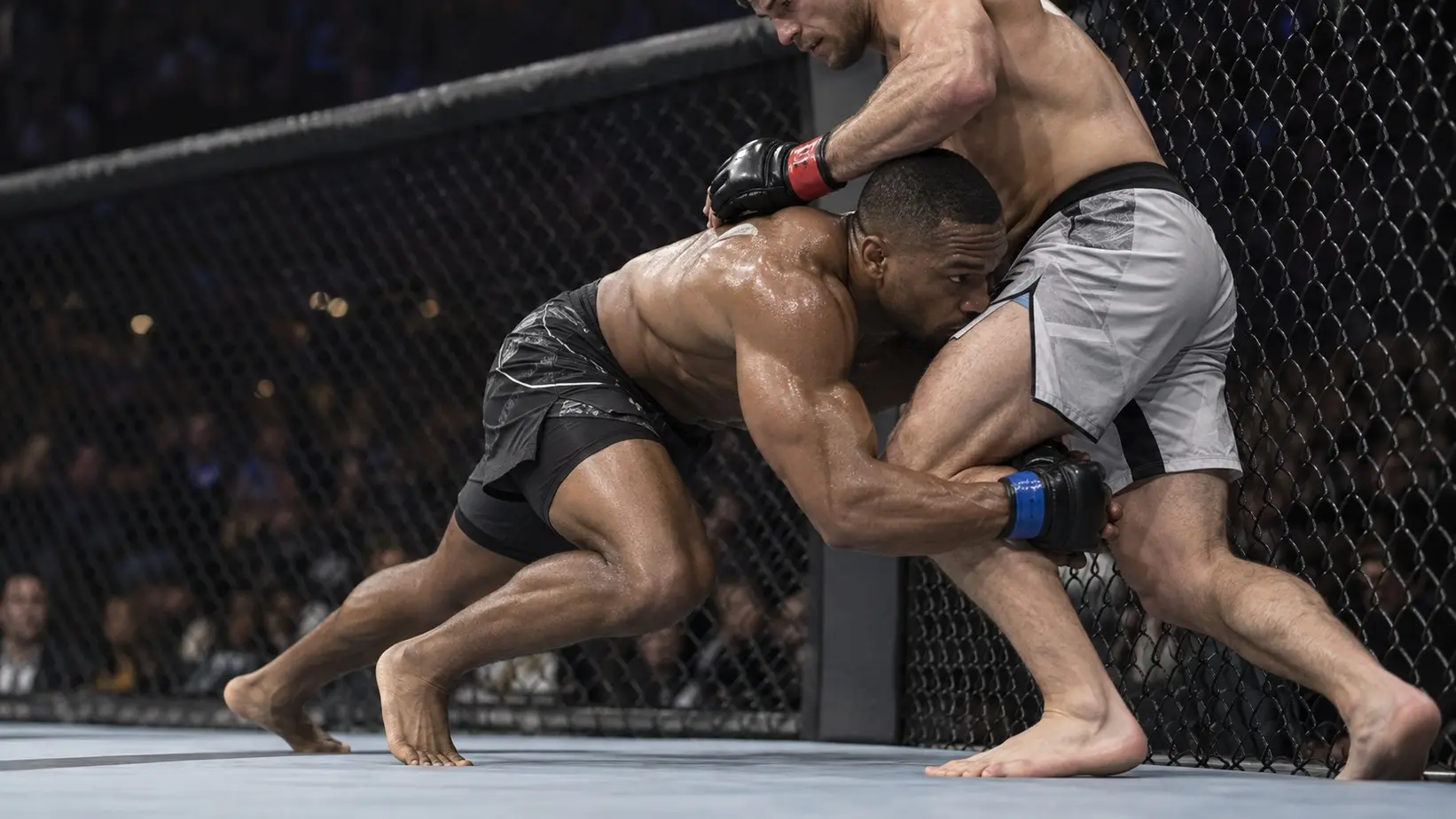
In the second round Soldić linked his left hand better with pressure towards the cage. Whenever Williams raised his guard, an opening appeared for him to step into the legs or work the body. That change did more than bring time on the ground, it also slowed his opponent’s first step. Williams could no longer set himself for a full right hand without worrying about what came next.
Williams threatened in the first round, but Soldić changed the rhythm
The third round confirmed the turnaround. Soldić landed on the feet and then used wrestling to break up his opponent’s attempts to get the pace back. The judges gave him a clear advantage, and two cards of 29:27 suggest that his control was especially pronounced in certain rounds. Most importantly, he did not lose his game plan after a hard opening stretch.
A long layoff often affects a fighter’s sense of distance more than basic conditioning. Training can maintain strength and technique, but a feel for real timing only comes back once an opponent is attacking at full speed. Soldić solved that problem during the fight, which is a good sign, though his team will want a calmer entry into the next outing.
For the former KSW champion the win opens the door to a stronger opponent, but the choice should not rest on a familiar name alone. The UFC welterweight division has fighters with very different profiles, from elite wrestlers to long, straight-punching strikers. The next bout should test his progress on defence, while still giving Soldić enough time to rebuild his rhythm after a long spell without competition.
Control on the ground and precise strikes earned clear scorecards
Video analysis of the first round will be the most valuable part of his preparation. Soldić needs to see when his head drifted off the centre line and why he was slow to step out after his left hand. A small change of angle could reduce the number of clean shots he takes without losing attacking power, particularly against rivals who wait to counter with a single punch.
Wrestling gives him an important safety option, but it must not become simply a way of protecting a result. It works best when an opponent genuinely believes a takedown is coming, so they drop their hands and open up. Against Williams, Soldić showed exactly that connection, and his development will depend on his ability to move between techniques without spending too much energy.
The debut ended in victory and clear judges’ cards, the best possible result after 600 days away. Soldić nonetheless has a warning from the first round that he cannot ignore. If he keeps the composure he showed later, improves his exit from exchanges and continues to combine strikes with takedowns, he could quickly become a serious force in the UFC welterweight division.
For a full assessment it is worth tracking Soldić’s count of clean strikes in the first round, his takedown success rate and the time he spent in control without wasting energy. That data will show whether the result came from a pattern that can be repeated or from a few exceptional moments. The final score describes the outcome, but it does not reveal how stable the plan was when the balance shifted and his opponent tried a different solution.
His most immediate task will be to find the distance earlier in his next fight and reduce his exposure to the right-hand counter. Success will depend on keeping the strongest parts of this performance and fixing the weakness we saw without changing too much. That approach creates a clear link between this result and the next challenge, rather than treating each fight as a separate story with no measurable follow-up.