
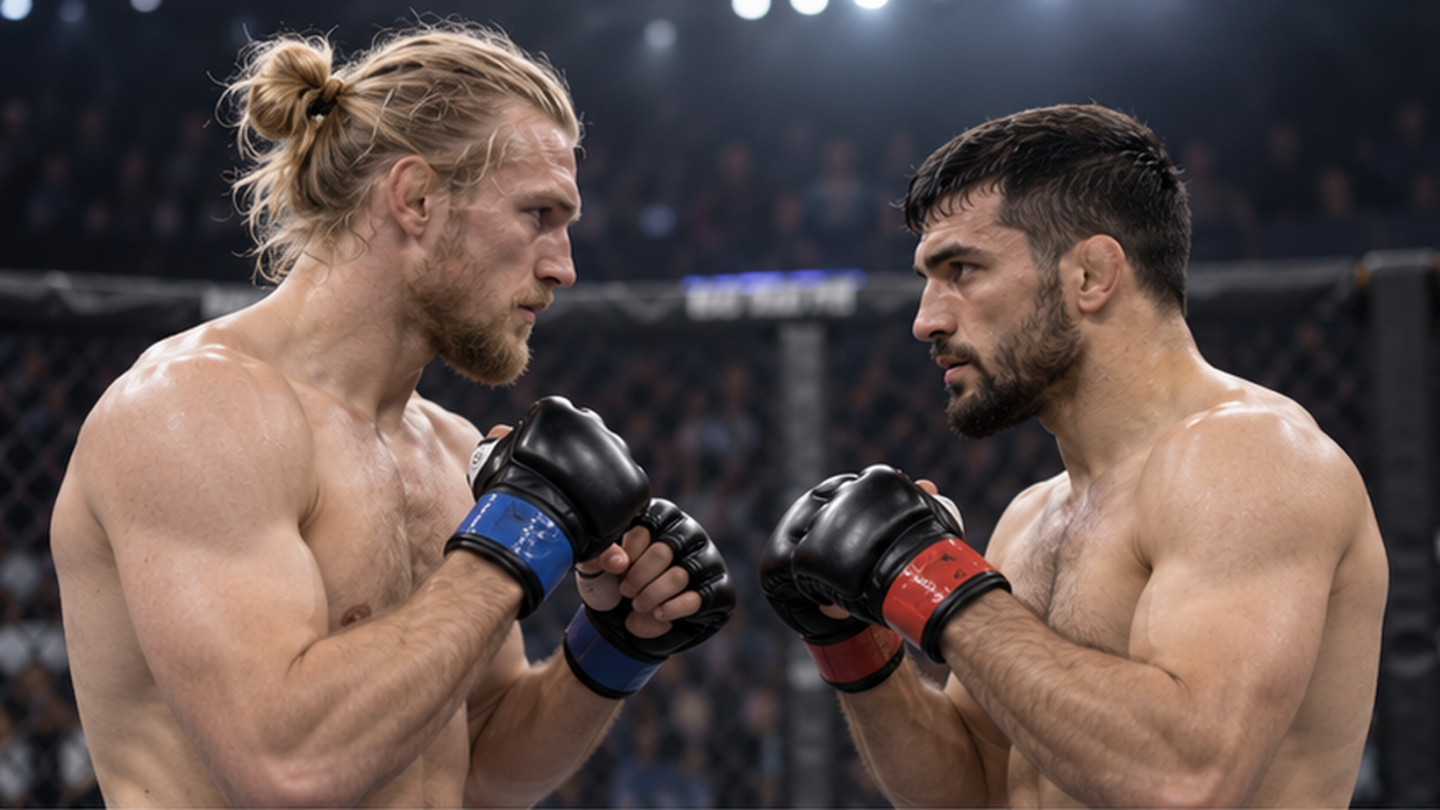
Paddy Pimblet has suggested that he and Illia Topuria coach opposing teams in the next season of The Ultimate Fighter, as a lead-up to a possible bout between the two. The British fighter believes a format spread over several weeks would deepen their long-running rivalry and give the UFC room to build a major lightweight event. The proposal has not been officially confirmed, so it should be read as one fighter’s public initiative rather than an agreed schedule or a booked fight.
Pimblet and Topuria have a history of sharp remarks and encounters outside the cage, which makes a duel commercially appealing. Its sporting value, however, depends on rankings, results and title plans. Topuria sits near the top of the organisation and each of his next decisions affects several contenders, while Pimblet is trying to turn his popularity into a position that justifies a fight with the best. The show would give them plenty of time to promote the bout, but it cannot bypass the competitive logic of the division.
Why the format could suit their rivalry
The Ultimate Fighter combines work with young fighters, constant camera presence and a final bout between coaches. In Pimblet and Topuria’s case, viewers would watch the pair lead their teams, choose tactics and react to their fighters’ defeats. That could reveal more than the usual press conferences, but it also risks letting verbal conflict overshadow the development of the show’s participants. The UFC would have to keep a clear line between promoting its headline stars and the sporting needs of fighters still seeking a contract.

The timetable is the biggest obstacle. Filming takes weeks, followed by a wait for the finale, which could slow fighters who have active commitments at the top of the division. If Topuria receives a different priority or a title fight opens up, the television format may not fit his calendar. Pimblet would benefit from a longer promotion, but he too would need to stay healthy and ready, with no guarantee that the final bout will be confirmed.
What has to happen before an official announcement
First, the UFC needs to decide on the coaches and the timing of the season. Then both fighters must accept the contract terms, weight class and an approximate date for the fight. Rankings may shift in the meantime, so the organisation has to judge whether the duel carries title or elimination significance. Without those steps, Pimblet’s idea remains an interesting promotional proposal rather than news of a booked fight.
The rivalry already has enough history to draw a big audience without extra conflict on camera. The quality of the decision will therefore depend on the sporting moment, not only on viewership. If the calendars and results line up, a coaching duel could provide a meaningful lead-up to one of the biggest European UFC bouts. If not, the organisation could book the fight directly or give each of them a different opponent. The next move belongs to the UFC, not to statements on social media.
Topuria’s answer will be decisive, since he has less reason to accept a long television process. A fighter higher in the rankings usually chooses the route that leads most quickly to a defence or a title, while a challenger gains more from extra promotion. The UFC could therefore offer financial terms or a clear sporting stake that justifies the wait. Without that, Topuria might seek an opponent currently closer to the top, leaving Pimblet to confirm his status with another win.
If the fight does happen, the stylistic questions will be more interesting than the verbal rivalry. Topuria combines powerful boxing sequences with wrestling and control on the ground, while Pimblet relies on pressure, transitions and dangerous attempts at a finish. The Briton would need to cut down on openings in exchanges, as Topuria punishes a raised chin and a slow return of the hands. Topuria, for his part, would have to respect Pimblet’s ability to reach the back or a grip from a messy position.