
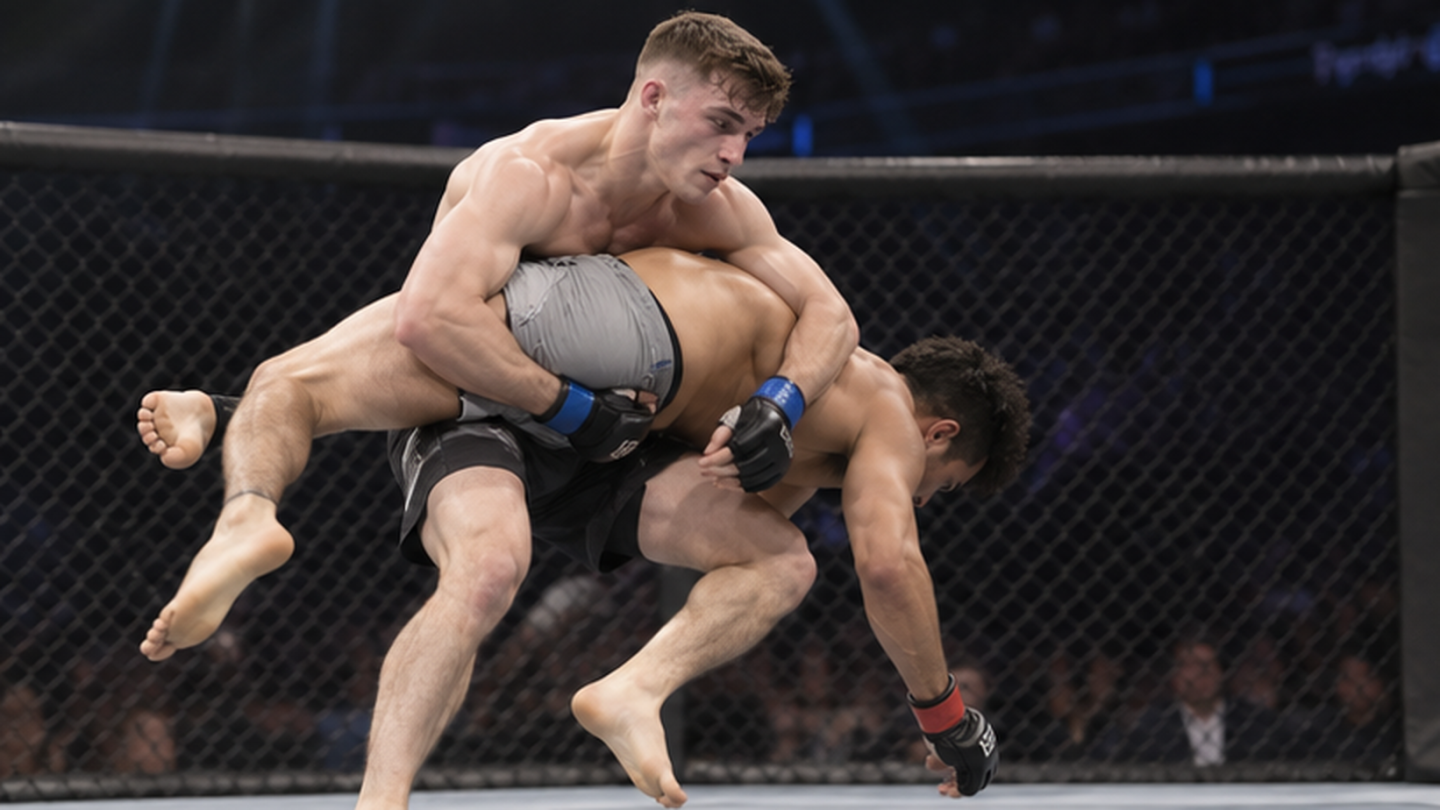
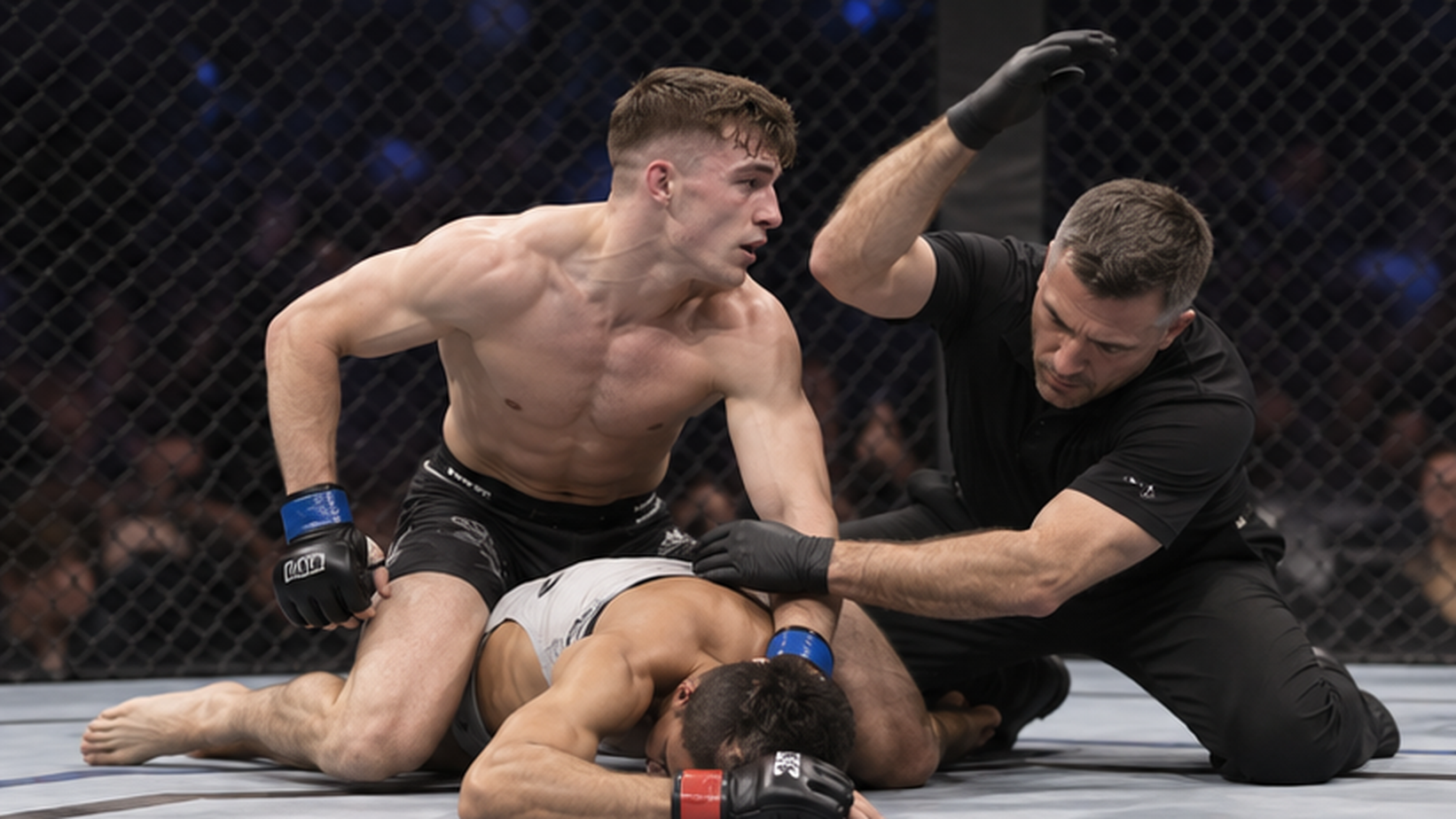
British lightweight George Stevens secured a UFC contract by beating Loay Abushar in just 61 seconds at a Contender Series event in Las Vegas. The finish came after a powerful throw followed by strikes on the canvas, and the UFC described it as the first throw knockout in the history of the competition. The win pushed Stevens’ professional record to 11 victories without defeat, and he took the biggest opportunity of his career in a way that left no doubt about the contract.
Abushar was physically large for the lightweight division, but Stevens did not try to turn the bout into a long exchange at range. He closed the distance quickly, took control of the body and lifted his opponent more than once. The final throw created the moment for the finish, and referee Herb Dean stopped the fight once Abushar’s defence was no longer enough. The aggression was precisely aimed, with no unnecessary waiting once a clear opening appeared.
A spectacular win opens doors but guarantees nothing
The UFC deal changes the level of competition. Stevens will face fighters who defend takedowns better, recover their guard faster and punish an unprepared entry. The throw that decided this fight will not always be available. His team must therefore keep the element of surprise while also developing a safer transition from striking into the clinch. Above all, a spectacular clip must not replace a complete technical analysis.
An unbeaten record attracts attention, but it also brings pressure. Opponents will study his previous fights closely and try to drag him into the later rounds. Stevens must show how he manages the pace when an early finish does not come. Conditioning, defence after a failed takedown and the ability to win rounds may matter more to a long career than another quick knockout.
Training alongside Paddy Pimblett and other Liverpool fighters gives him an environment that understands the demands of the biggest organisation. An experienced team can help with choosing a debut, managing weight and handling media obligations. Still, every fighter has to build a personal identity. Stevens should not copy the style of his better-known club mate, but use his own blend of physical strength, wrestling and composure in the finish.
The lightweight division punishes technical gaps
The UFC roster at 70 kilograms is one of the deepest in the sport. Even unranked opponents often have experience across several disciplines and can change the plan mid-round. For Stevens, the first goal will be a steady debut, not an instant climb up the rankings. A good choice of opponent should test him without skipping the steps of development. A win in the first fight would give him time to keep adjusting.
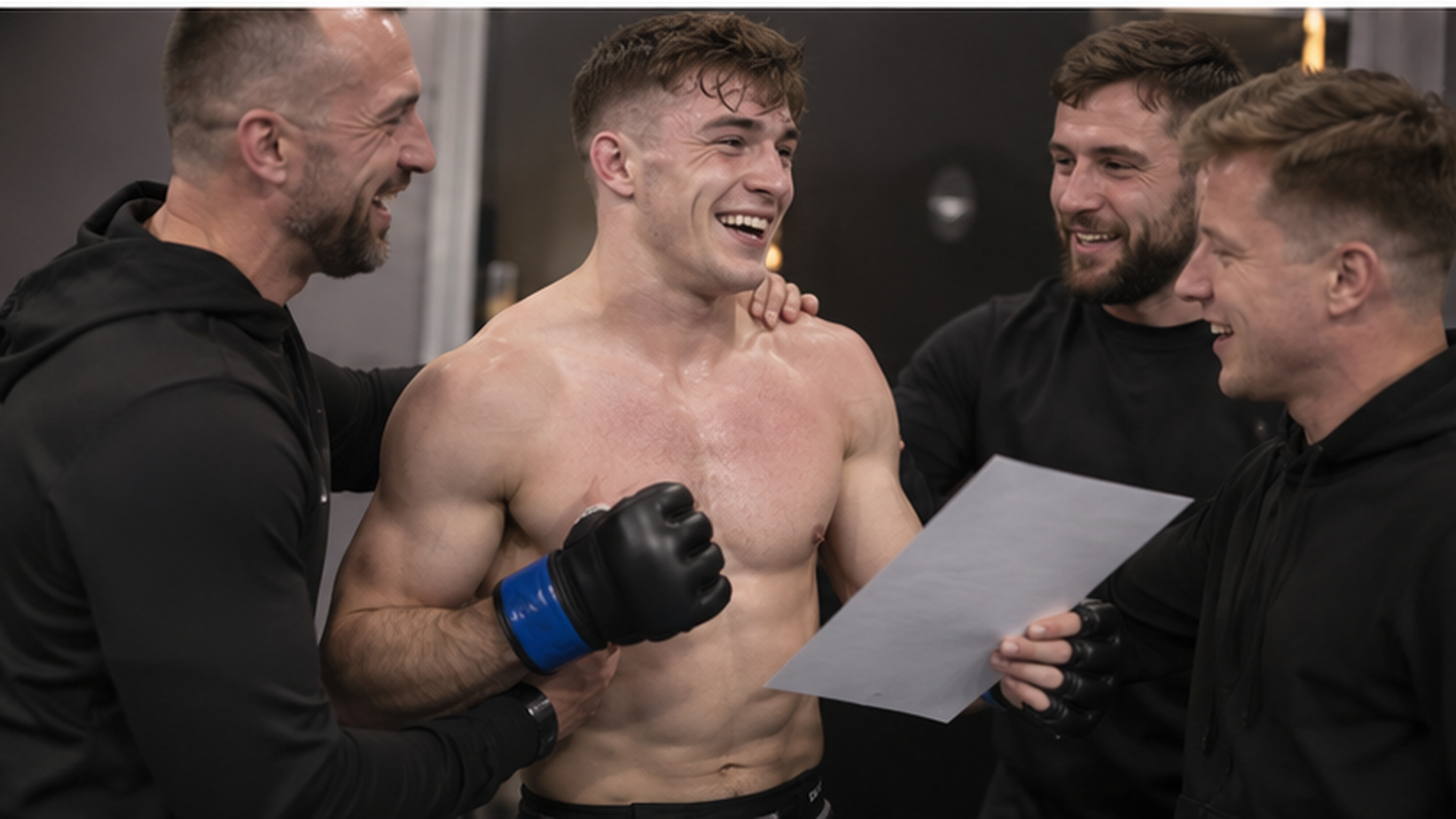
Dana White rated his performance as one of the easiest contract decisions of the night. Such praise raises his profile and could speed up the scheduling of a debut. At the same time, promotional expectations often push a fighter towards another spectacle. Stevens must stay disciplined and accept a win on the scorecards if that is the safest route. Professional maturity shows in choosing the right move, not in constantly chasing a clip for the crowd.
A win in 61 seconds makes a perfect entry into the UFC story: an unbeaten fighter, a rare finish and a clear reaction from the crowd. The next step will matter far more in judging his ceiling. If he carries clinch control, strength and calm into longer fights, Stevens could become a serious British name at lightweight. He earned the contract with one exceptional minute, but his place in the organisation will be protected by a more complete performance. Before agreeing a debut, a medical check and a training camp long enough to prepare properly are important. A quick win means he took little damage, but it does not mean he should accept any date straight away. The team should choose a period in which he can improve his defence over distance and test fifteen minutes of high pace. A considered entry gives him a better chance of showing more in his first UFC appearance than the strength everyone already knows.