
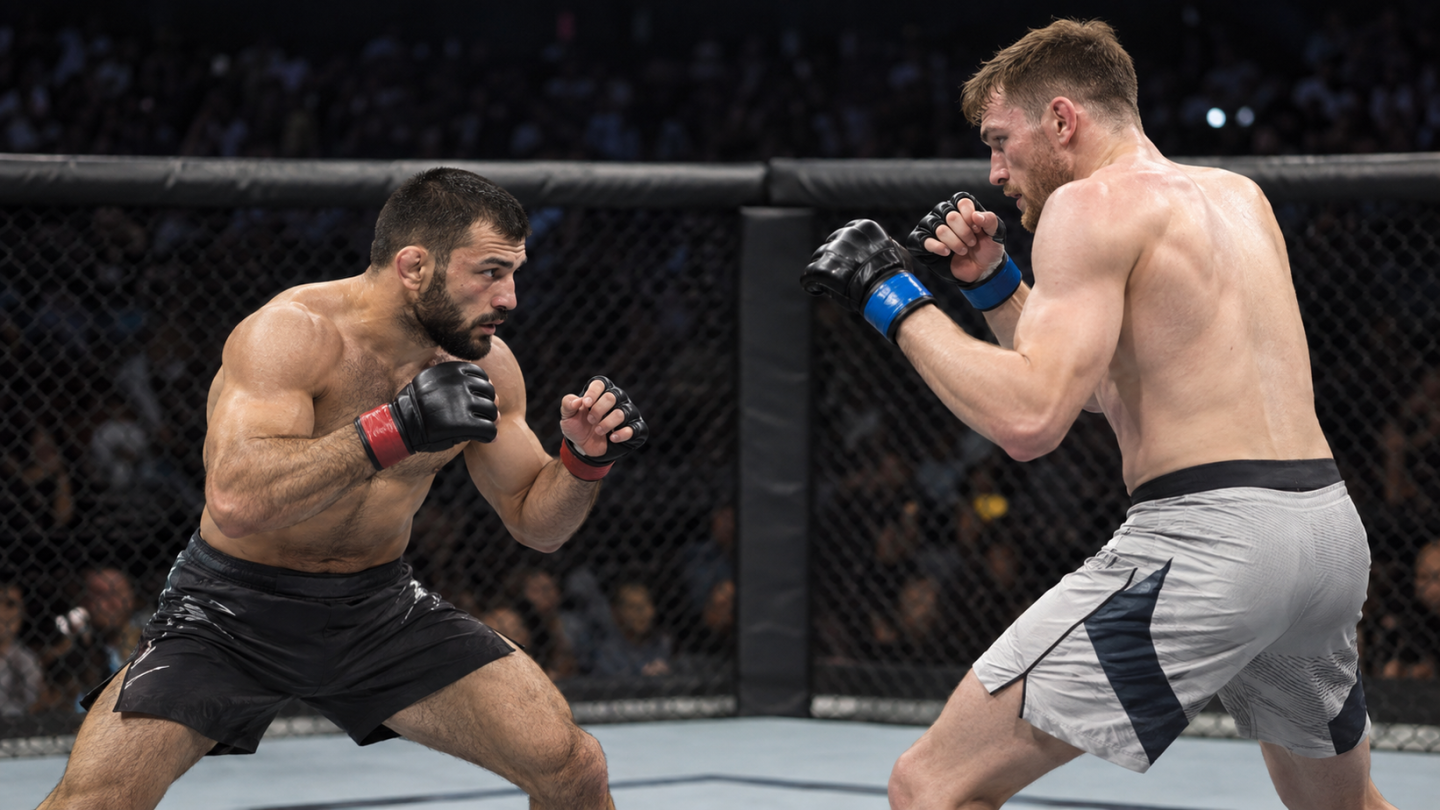
Brendan Allen and Kristijan Liroj Duncan will headline UFC Fight Night on October 10 at the APEX Center in Las Vegas. The middleweight clash pits the fourth and tenth contenders against each other, both arriving on active winning streaks, so the result could directly reshape the division’s top tier.
Allen stands at 27-7 and enters on three straight wins. In June he earned the fight-of-the-night bonus against Edmen Shahbazyan, and across his UFC career he has also beaten Marvin Vettori and Reinier de Ridder. In total he has 20 finishes, 14 of them by submission.
Duncan has 15 wins and two losses, and he has won his last five bouts. His three most recent victories came over Marc Tulli, Roman Dolidze and Jared Cannonier. Ten wins by knockout confirm that he poses the greatest danger on his feet, especially when he has room to change stances.
Allen looks to takedowns, Duncan wants open range
Allen’s clearest route runs through combining strikes with wrestling. If he signals a takedown without preparation, Duncan has enough speed to step back and punish the entry. A lead straight, a body shot and pressure toward the cage can shorten the distance before any attempt at a leg grab or clinch.
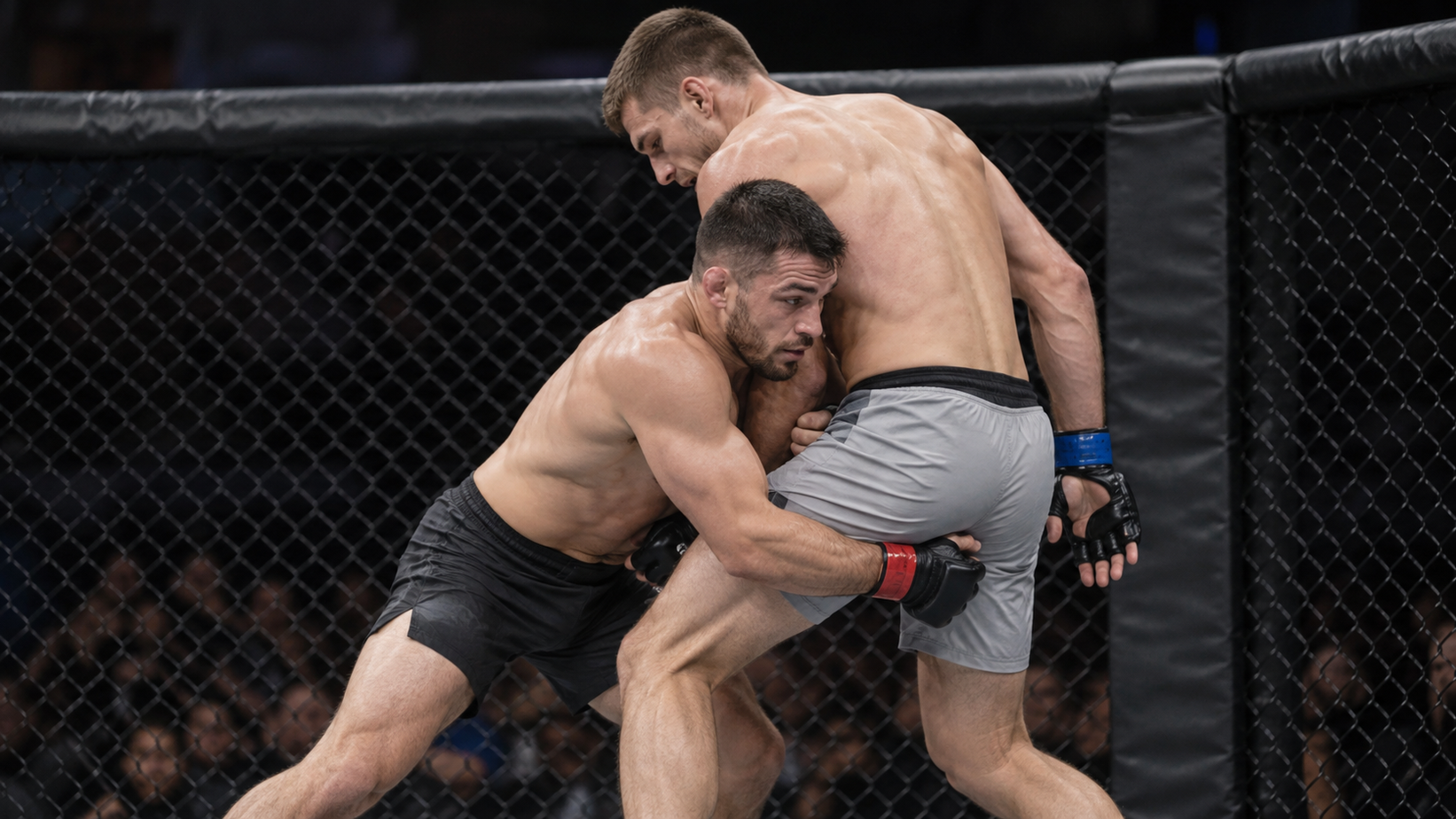
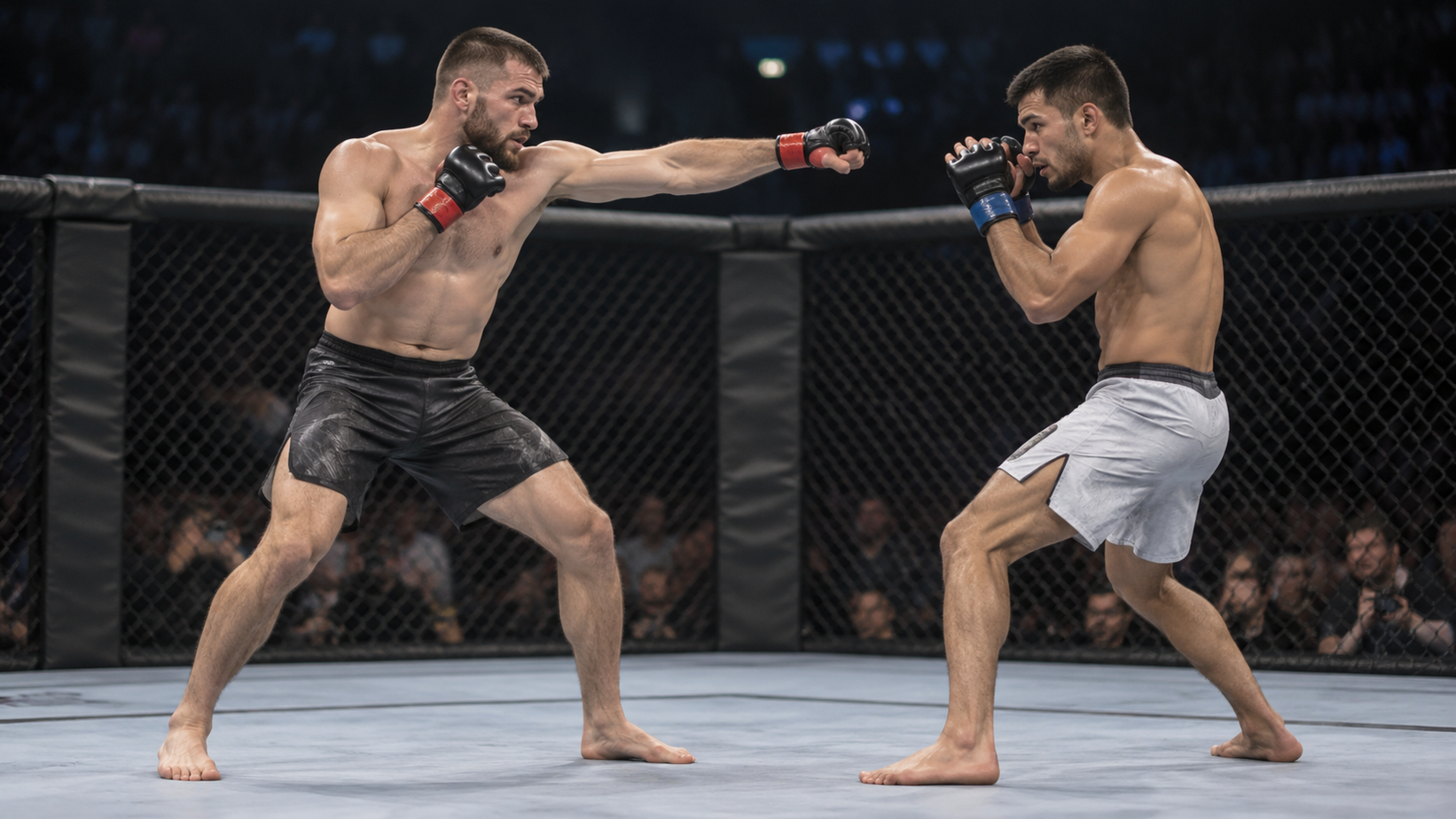
Duncan must hold the centre and prevent long spells against the cage. His circular kicks and stance switches work best when his opponent has to guess the direction. However, an overly wide swing leaves his hips open to a takedown, so each attack must end with a return to a stable stance.
On the ground, the edge goes to Allen because of his experience in transitions and his work from the back. Fourteen submission wins mean he does not rely on a single technique. Duncan has to protect his position first and only then get up; a sudden turn without control of the arm can open the door to a choke.
The winner moves into the title conversation
A five-round fight also raises the question of pace. Allen is used to longer main events, while Duncan, in the third fight of his year, has to show he keeps his explosiveness after early wrestling. Sensible distribution of strikes in the first two rounds may matter more than a quick spectacle.
In the middleweight rankings there is little room for a neutral result. Allen wants the first shot at the title, and a win over a ranked opponent would strengthen his case. Duncan, by beating the fourth contender, would skip several steps and immediately enter the conversation among the leading new candidates.
That is why the bout carries a clear technical and competitive story. One fighter wants to combine pressure, takedowns and control, while the other wants to keep distance and use speed of strikes. The winner will not automatically get a title shot, but will leave APEX in a much stronger negotiating position for the next fight.
Camps will use the final week to sharpen the plan rather than learn new techniques. Allen must drill a safe entry into the clinch, while Duncan should repeat stepping off the cage and quickly returning to the centre. Weight control and recovery now matter more than heavy sparring. A fighter who reaches APEX fresh will find it easier to make good decisions when the initial plan meets its first serious resistance. The next bout or the official result will show how far this conclusion holds under new pressure. The numbers should be read together with the quality of the opponent, the conditions and the decisions made at key moments. It is important to separate the current result from the long-term trend: one success confirms good preparation, but only repetition shows stability. The coaching staff should therefore track a few clear indicators, compare them with the previous outing, and change only what has proven to be a weak point. That approach protects confidence while still leaving room for progress. The reaction of direct rivals will also matter, since preparation changes as soon as an opponent recognises a successful pattern. For that reason the analysis should also cover situations in which the original plan did not work. Peak performance comes when a team or athlete keeps the core strength intact and makes a small, timely adjustment during the event.