
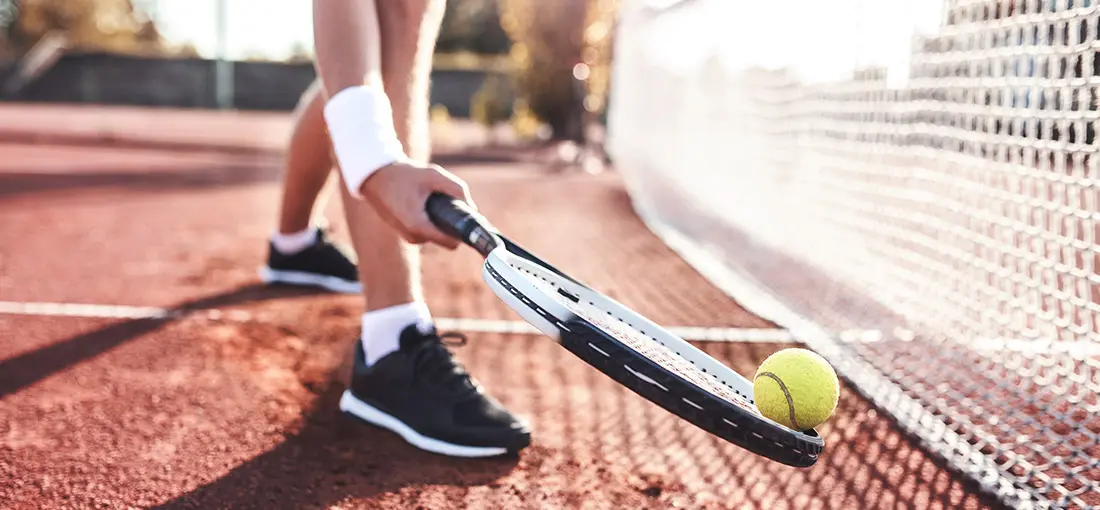
Have you ever wondered how much the right pair of tennis shoes can affect your game on court? In clay and hard court tennis, where speed, agility and stability all matter, the footwear you choose can make a decisive difference. Tennis shoes are far more than ordinary footwear: they are your foundation and support through every match. In this blog post we will look at why choosing the right shoes matters, how they can improve your performance and help prevent injuries, and offer guidance for picking the ideal pair. Drawing on the latest trends, materials and technologies, we will help you make an informed decision that moves your game forward.
Key features of quality tennis shoes
Choosing the right tennis shoes is not about looks but about performance and injury prevention. A hard court surface demands footwear that can absorb impact, provide stability during sudden changes of direction and withstand intense wear. These are the main components to pay attention to.
Shoe upper
The material of the upper determines durability, comfort and breathability. Look for the following:
- Mixed materials: A combination of leather, synthetics and mesh strikes a balance between support, flexibility and ventilation. Full-leather options offer superior stability, while lightweight synthetic materials reduce overall weight.
- Reinforced heel and toe: These areas wear faster due to dragging and sliding. Reinforcements extend the life of the shoe.
- Ergonomic tongue and lining: An adjustable tongue protects the ankle from laces, while a smooth inner lining prevents blisters.
Cushioning system
A hard surface is unforgiving on joints and muscles. A good tennis shoe must soften the impact of running and jumping.
- Cushioning technology: Manufacturers use proprietary foams (for example Adidas Boost, Nike Zoom) built into the midsole and heel for maximum shock absorption.
- Insoles: Interchangeable insoles of different thicknesses and properties let you personalise the feel and protection.
- Sole thickness: Thicker soles generally offer better cushioning, but they can reduce your sense of the court.
Stability and support
Lateral movement is a core element of tennis. The shoe must prevent excessive movement of the foot inside it.
- Wide base: A broader sole provides a better platform and reduces the risk of rolling an ankle.
- Reinforced edges (outriggers): Extended sections on the outer side of the sole increase the contact area with the ground and improve balance when reaching for shots.
- Built-in structure: Some models use firmer materials in the midfoot (midfoot cages) that hold the foot in a stable position.
Outsole and traction
The design of the underside of the shoe has a direct effect on mobility and durability.
-
- Wear-resistant rubber: The court quickly destroys weaker materials. Look for high-strength rubber (for example Adidas Adiwear, Nike XDR).
- Tread pattern: The herringbone pattern is considered the gold standard for even wear and excellent grip in every direction.
- Groove depth:
Deeper grooves give better grip but wear out faster. The choice depends on how often you play and the typical conditions of your courts.
Shoe weight
Weight is a trade-off between protection and speed. Heavier models usually offer more cushioning and stability, while lighter ones allow quicker reactions and less leg fatigue. Your playing style determines the optimal weight.
Types of tennis shoes by playing style and needs
There is no single solution for every player. Different types of shoe suit specific styles of play and physical builds.
For players who want speed and agility
These models suit players who rely on covering the court quickly, sprint movements and an attacking game.
- Features: Low weight, minimalist design, emphasis on breathability and flexibility.
- Trade-off: Less cushioning and a somewhat shorter lifespan than heavier alternatives.
- Example categories: Lightweight or Speed lines from the major manufacturers.
For players who need maximum support and stability
Designed for powerful players with intense lateral movement, or for those prone to ankle injuries.
- Features: Firmer construction, wide base, additional heel and midfoot support systems.
- Trade-off: Greater weight and less flexibility, which can slow some players’ movements.
- Example categories: Stability or Support lines.
For players who value comfort and cushioning
An excellent option for players with joint problems, those who spend long hours on court, or heavier builds.
- Features: The latest cushioning technology, thicker soles, softer insoles.
- Trade-off: Often the most expensive option, and a high level of cushioning can dull the feel of the surface.
- Example categories: Cushion lines.
For players with wide feet
Many top models are built for standard or narrow feet. Players with wider feet should look for specialised models to avoid discomfort and pinching.
- Features: A roomier forefoot, a deeper fit, softer materials that stretch easily.
- Recommendation: Always try tennis shoes on before buying, and look for brands that offer a Wide variant.
Analysis of leading brands and their signature technologies
Each major manufacturer takes a distinct approach to sports footwear engineering. Understanding their priorities helps narrow down your choice.
Nike
Nike invests heavily in research and development, producing a broad range of models for every type of player.
- Features: They often lead the way in innovation for light and fast models.
- Zoom Air technology: A lightweight, responsive cushioning system that delivers direct feedback and energy.
- React Foam technology: A durable foam that provides superior comfort and longevity.
- Durability Promise (XDR): Wear-resistant rubber designed for court surfaces.
Adidas
Adidas tends to focus on a blend of comfort, style and durability.
- Features: Some of their models are regarded as the most comfortable on the market.
- Boost technology: A legendary foam that returns an impressive amount of energy and delivers top-level cushioning throughout the entire match.
- Adiwear technology: High-density rubber for greater outsole longevity.
- Bounce technology: A flexible and responsive foam that offers good value for money.
Asics
Asics has a strong reputation for support and injury-prevention technology, drawn from its experience in running shoes.
- Features: An excellent choice for players who want stability and confidence in motion.
- Gel technology: Silicone inserts placed in the forefoot and rearfoot that absorb impact better than most competing technologies.
- Trusstic System technology: A device in the midfoot that reduces weight and increases stiffness, preventing twisting.
- Guidance Line technology: A groove in the sole that improves the foot’s natural rotational movement, making movement more efficient.
New Balance
New Balance stands out for its commitment to a range of foot widths, producing some of the most comfortable options on the market.
- Features: Ideal for players who put comfort first or who have a non-standard foot shape.
- Fresh Foam technology: Entirely new cushioning designed using computer data for maximum comfort and smoothness.
- FuelCell technology: A responsive foam built for explosive movements and energy return.
- Width range: They make models in more widths (Standard, Wide, Extra Wide) than most competitors.
Babolat
A French brand with strong tennis roots, known for aggressive designs that reflect its philosophy of play.
- Features: They often offer very good traction and a sense of connection to the court.
- Michelin Rubber technology: A partnership with the well-known tyre manufacturer has produced exceptionally hard-wearing, grippy outsoles.
- KPRS (Kompression Pivot System) technology: A heel construction that absorbs impact and makes the transition from heel to forefoot smoother.
A detailed guide to trying on and choosing the right size
Buying tennis shoes online can be risky without knowing the brand and model well. Follow this process to make sure of a perfect fit.
1. Timing of the fitting
Visit the shop in the afternoon or evening. Feet naturally swell over the course of the day due to warmth and physical activity. Trying shoes on in the morning can lead to buying a pair that is too tight.
2. Bring your tennis socks
Try the shoes on with the socks you normally wear on court. The thickness of a sock can make a noticeable difference to how the shoe feels.
3. Checking the length
When standing, there should be roughly the width of a thumb (about 1 to 1.5 cm) between your longest toe and the tip of the shoe. This leaves enough room for the foot to move forward naturally on impact.
4. Checking the width
The shoe should fit snugly around the heel and midfoot, but the front (toes) should have enough room to shift slightly. Feel whether the sides of your feet are being squeezed. You should not feel pressure on the big toe or on the outside of the heel.
5. Mobility test
Do not simply stand. Walk around, perform a few lunges and jog on the spot. Notice how the shoe supports your movements. The heel should not slip up and down excessively.
6. Consider the break-in period
Some tennis shoes, especially those made from a lot of leather, need time to break in. However, they should feel comfortable from the start. If they cause pain or discomfort in the shop, they are unlikely to get better on court.
7. Comparison with your current shoes
Bring your old tennis shoes to the shop. The sales assistant can analyse the wear patterns and give a more expert recommendation based on how you move.
Caring for your tennis shoes so they last longer
Proper care can extend the life of your equipment by 30% or more.
Cleaning after every session
- Use a brush to remove mud, dust and grass from the sole and sides.
- For the upper, use a damp cloth and mild soap. Never submerge the shoes in water, and avoid the washing machine, as it can damage the adhesives and materials.
- Always let them dry naturally in the air, away from direct heat (radiators, direct sunlight). Heat deforms materials and shortens their lifespan.
Rotating more than one pair
If you play often, investing in two pairs of tennis shoes is a smart move. Rotating them gives the foam inside time to fully recover and return to its original shape, which helps maintain cushioning quality.
Replacing them in good time
Do not wait until the shoes have completely worn out. The loss of cushioning properties is often invisible. A good rule of thumb is to replace your shoes after 45 to 60 hours of intensive play, or when you notice significant wear on the sole or uneven wear.
Common buying mistakes and how to avoid them
Being aware of common errors can save you money and prevent discomfort.
1. Buying based on looks alone
Colour and design should be secondary factors. Focus first on function, fit and performance.
2. Choosing the wrong size because of how they feel in the shop
In the shop the floors are smooth and flat. On court you stop suddenly and change direction. A shoe that feels good enough in the shop can become uncomfortable after 30 minutes of play.
3. Ignoring foot shape
Trying to squeeze a wide foot into a narrow model will result in blisters, numbness and reduced circulation. Find a brand that suits your build.
4. The myth that more expensive always means better
Although top-end models feature the latest technology, many mid-range models deliver excellent performance for recreational players at a more affordable price. Assess your actual needs.
Final thoughts: Investing in your performance and health
Quality tennis footwear is an investment not only in your game but also in the long-term health of your joints, back and muscles. The right choice can help prevent chronic pain and stress-related injuries. Shoes are the only piece of equipment in constant contact with the court surface, which makes them perhaps the most important element of your kit. Make your decision wisely, based on your own needs rather than solely on marketing messages. Your feet and your results on court will thank you.