
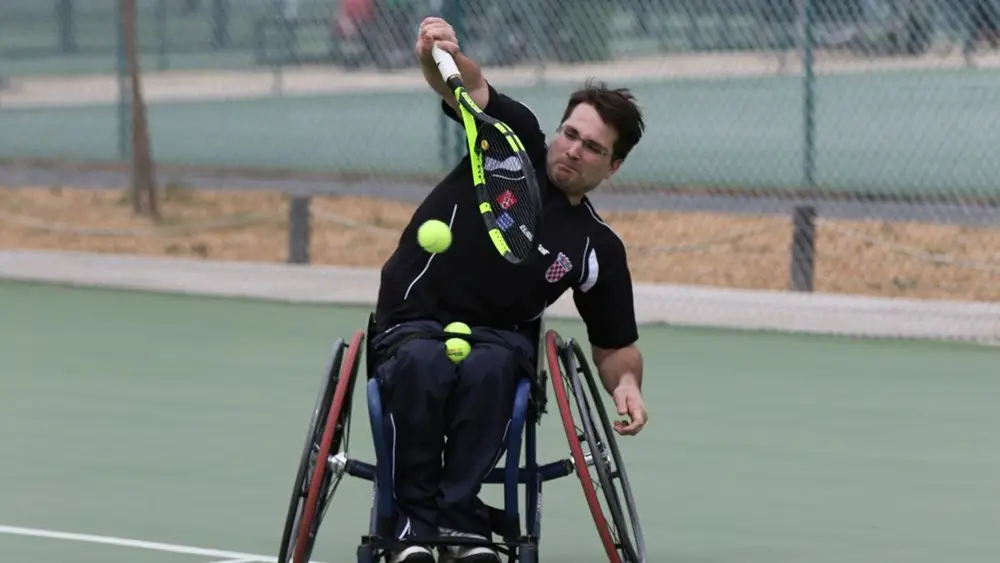
Have you ever wondered what elite sport looks like when boundaries are not a barrier but a challenge to overcome? Wheelchair tennis at the Paralympics is a perfect example of willpower, top-level skill and genuine sporting passion. This extraordinarily dynamic and moving sport brings together athletes from across the globe who push the limits of what is possible with every stroke. In this blog post we will explore why wheelchair tennis is so inspiring, not only as a sporting event but also as a story of courage and perseverance. Across several key sections we will outline a brief history of the sport, introduce you to the Paralympic heroes who have shaped the scene and share the brightest moments from recent competitions. Get ready for a dose of motivation and sporting excitement!
History of wheelchair tennis at the Paralympics
Wheelchair tennis first appeared at the Paralympics in 1992 in Barcelona, after the International Paralympic Committee (IPC) recognised its potential. Since then the discipline has grown steadily in popularity, attracting players from every corner of the world. The development of rules and equipment adapted for athletes with disabilities has made for dynamic and thrilling matches.
Core rules and adaptations
Although wheelchair tennis follows most standard tennis rules, there are some key adjustments:
- The ball may bounce twice before the player has to return it.
- The first bounce must land inside the standard court, while the second may land outside it.
- Players may touch their wheelchair only with the hand brake, and their feet must remain on the footrests.
Essential skills for success
Athletes need to master several skills to compete at the highest level:
- Mobility: Fast, precise control of the chair is essential for positioning.
- Upper body strength: Arms and shoulders must withstand intense repetitive movement.
- Strategy: Using the court smartly and exploiting an opponent’s weaknesses brings an advantage.
Greatest competitors and rivalries
A handful of players have left an unforgettable mark on the sport:
- Esther Vergeer (Netherlands): She dominated for more than a decade, winning an incredible 470 consecutive matches.
- Shingo Kunieda (Japan): He is regarded as one of the finest male players of all time.
- Diede de Groot (Netherlands): Vergeer’s successor, she has won gold medals at recent Paralympics.
Rivalries such as Vergeer vs Korie Homan or Kunieda vs Gustavo Fernandez produced unforgettable matches.
Technology and innovation in equipment
Advances in the design of wheelchairs and racquets have significantly improved the game:
- Lightweight materials: Carbon fibre reduces the weight of the chair, increasing speed.
- Adjustable angles: Athletes can adjust the seat angle for better control.
- Improved racquets: Designed for greater power and accuracy on strokes.
Preparation and training
Top players spend hours refining their skills. Key elements of training include:
- Conditioning exercises: Endurance and strength are crucial for long matches.
- Mobility drills: Practising speed and turning the chair.
- Mental preparation: Concentration and strategic thinking often decide the outcome.
Paralympic stories that inspire
Many athletes have become symbols of perseverance and motivation:
- Dylan Alcott (Australia): A gold medallist and also a campaigner for equal opportunities for people with disabilities.
- Aniek van Koot (Netherlands): She fought back from injuries to become one of the leading players.
The future of wheelchair tennis
The discipline continues to grow, with more countries investing in the development of young talent. Greater media coverage and bigger sponsorship deals are opening new doors for athletes. Wheelchair tennis is expected to become even more competitive and popular in the years ahead.
How to support this sport
If you want to help wheelchair tennis develop, consider the following:
- Follow tournaments and share content on social media.
- Look for local clubs and volunteer.
- Donate to organisations that promote opportunities for people with disabilities.