
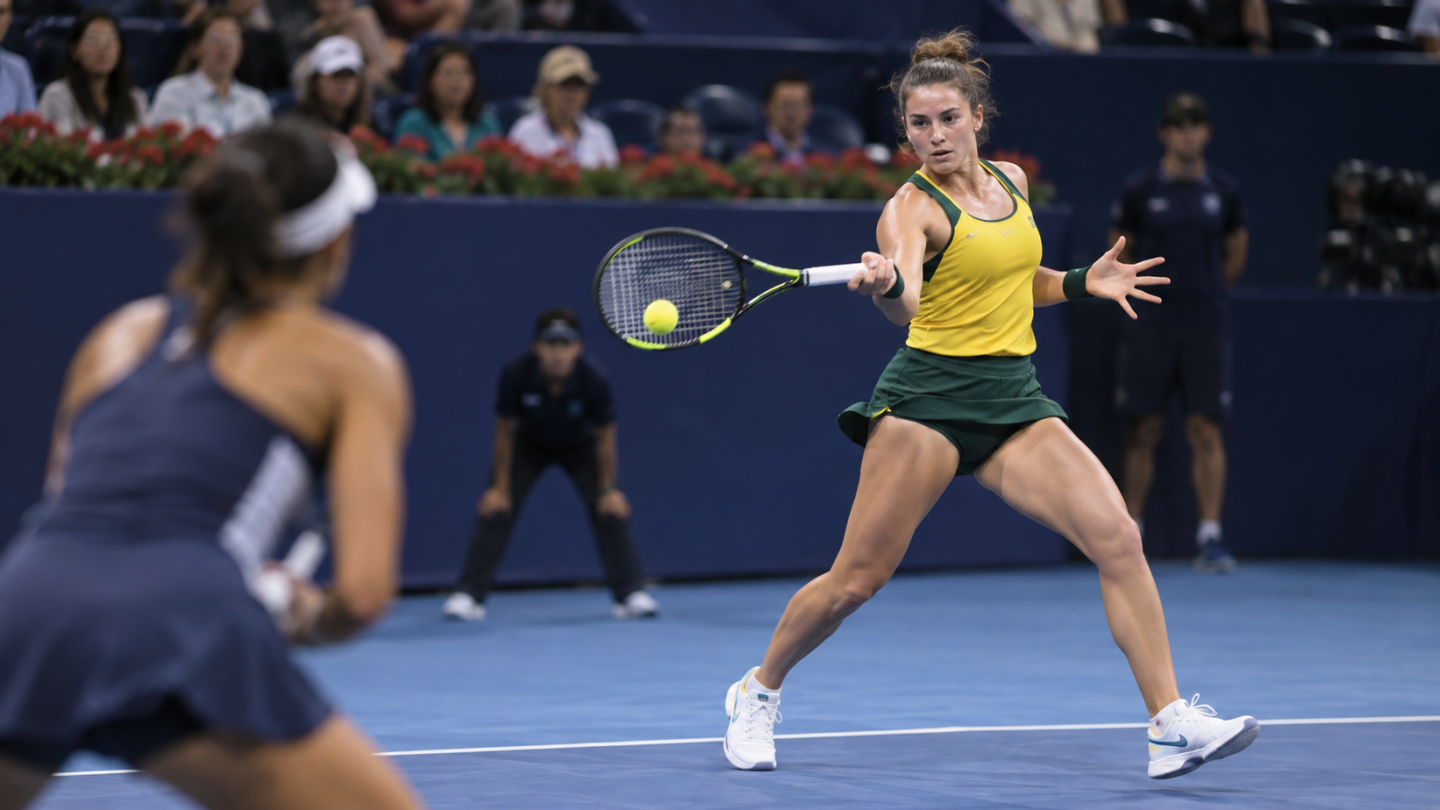
Talia Preston got past Diane Parry 7:6, 6:1 to move into the third round in Beijing. The 20-year-old Australian is playing in the main draw of a WTA 1000 event for the first time, and beating a player ranked well above her is the second-biggest scalp of her career.
The opening set went to a tiebreak, 7:4, after neither player managed to take firm control over an extended stretch. Preston defended her second serve better in the key points and avoided rushing when the ball came up short. Once she had taken the set, the match opened up quickly in her favour.
In the second set the Australian conceded only one game. Early contact with the ball denied Parry the time she needed to change rhythm or deal with a shortened ball, and a steadier rally gave Preston more chances to break. In this way she turned her debut into a serious result rather than just a useful experience.
The tiebreak rewarded the braver second shot
Parry is at her best when she can vary the height and pace of the ball, especially on the slice backhand. Preston answered by hitting deep through the middle and did not keep searching for the line. That choice narrows the angle for the opponent and gives more time to get into a good position for the next shot.
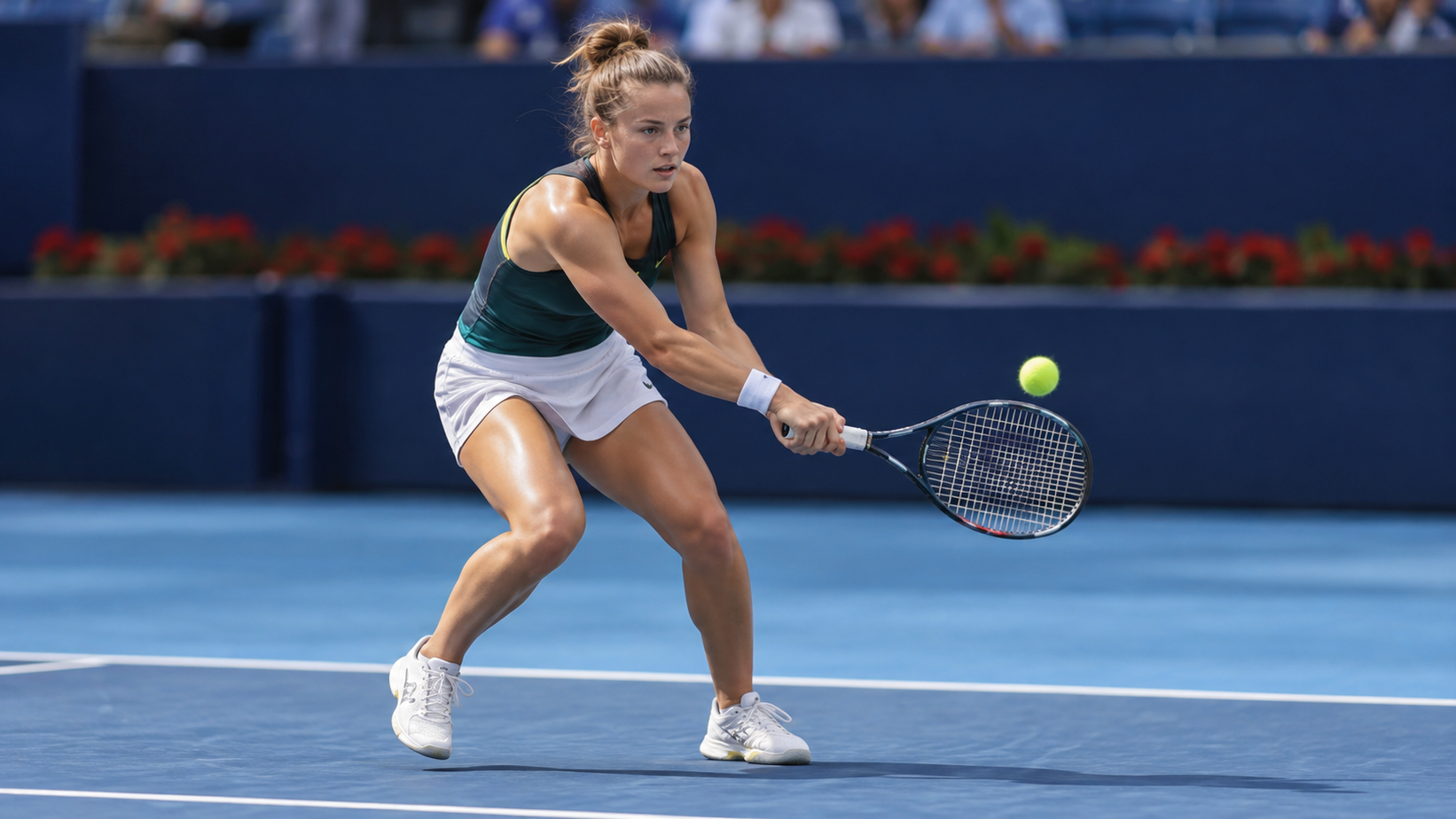
In the tiebreak, control of the first shot after the serve mattered most. The Australian did not try to finish the point straight away. Instead she built her advantage over two or three balls, and when she drew a short reply she moved in and attacked the open side without changing her decision at the last moment.
The second set showed her mental progress. Young players often lose energy after winning a close set, but Preston increased the pressure on the return straight away. The early break changed Parry’s body language and let the Australian play more freely while making fewer errors.
The third round sets a new test of recovery and tactics
A WTA 1000 debut also brings physical demands that go beyond the match itself. A large venue, unfamiliar match times and a short gap before the next round all call for good recovery. Her team has to protect routine, particularly fluids and sleep, rather than let the result add to the load.
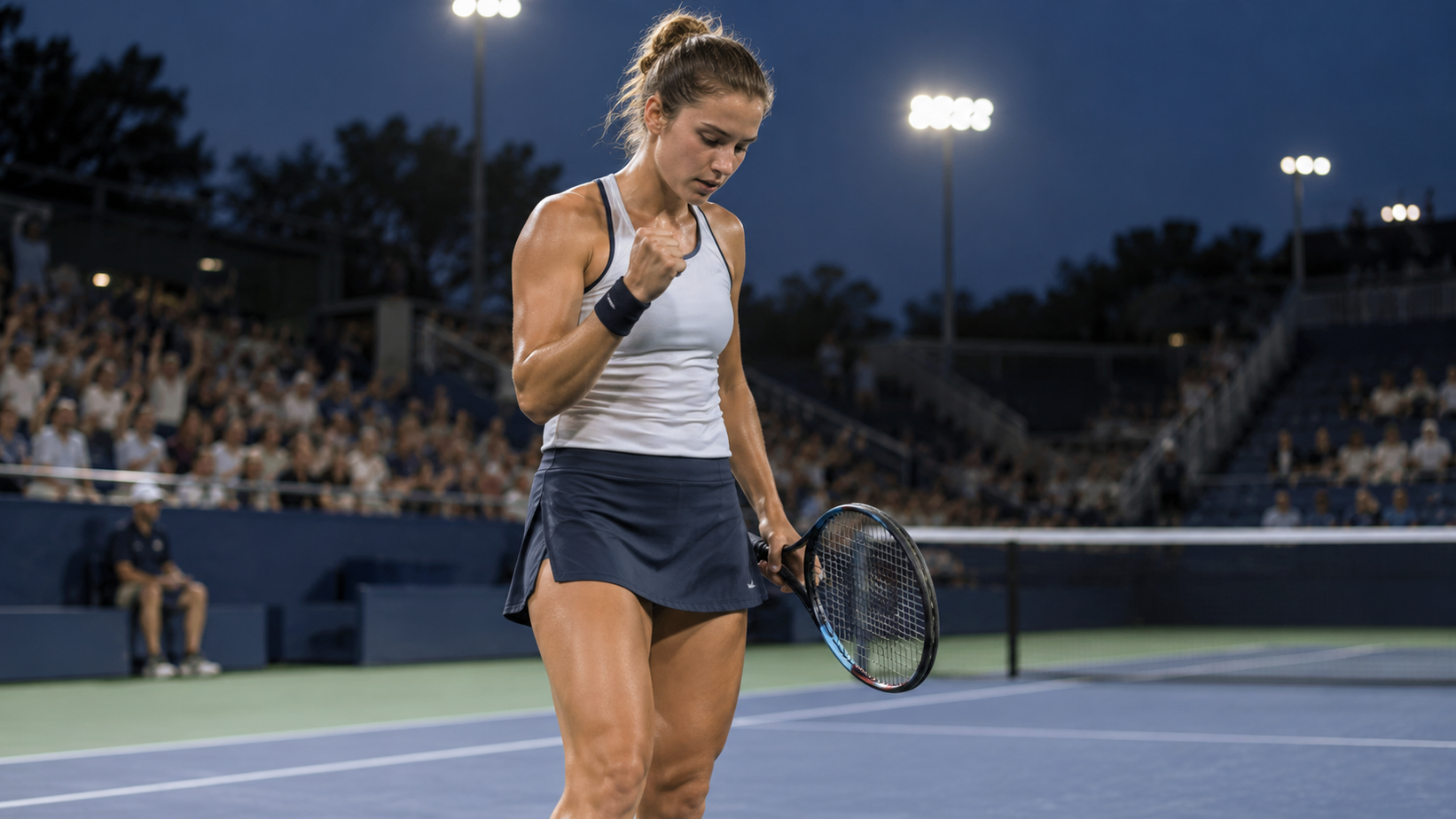
Her next opponent will have more material to study from her serve and return. Preston therefore needs to introduce small changes in the placement and direction of her first shot without disturbing what already works. Progress at this level comes through precise variation, not a complete change of identity.
The 7:6, 6:1 win sends an important message for Australian tennis. Preston can survive a tight set against a more experienced rival and then raise her level. Whatever happens in the third round, Beijing gives her points, confidence and proof that her rhythm can compete at the biggest regular tournaments.
Preston now needs to separate satisfaction with the result from preparing for the next match. Video analysis can pick out a pattern on her second serve and one position for the return, but too many new tasks would slow her reactions. Her biggest asset at the moment is her trust in the shot. If she keeps the depth and accepts that her next opponent will make fewer errors, she can stay level through the key games again. Her next appearance, or the official result, will show how well this conclusion holds up under new pressure. The numbers should be read alongside the quality of the opponent, the conditions and the decisions taken at key moments. It is important to separate the current result from the longer-term trend: one success confirms good preparation, but only repetition shows stability. The coaching staff should therefore track a few clear indicators, compare them with the previous outing, and change only what has been proven to be a weak point. That approach protects confidence while still leaving room for improvement. The reaction of direct rivals will also matter, since preparation changes as soon as an opponent recognises a successful pattern. For that reason the analysis should also cover situations where the original plan did not work. The best performance comes when a player or team can hold on to their core strength while making a small, well-timed adjustment during the event.