
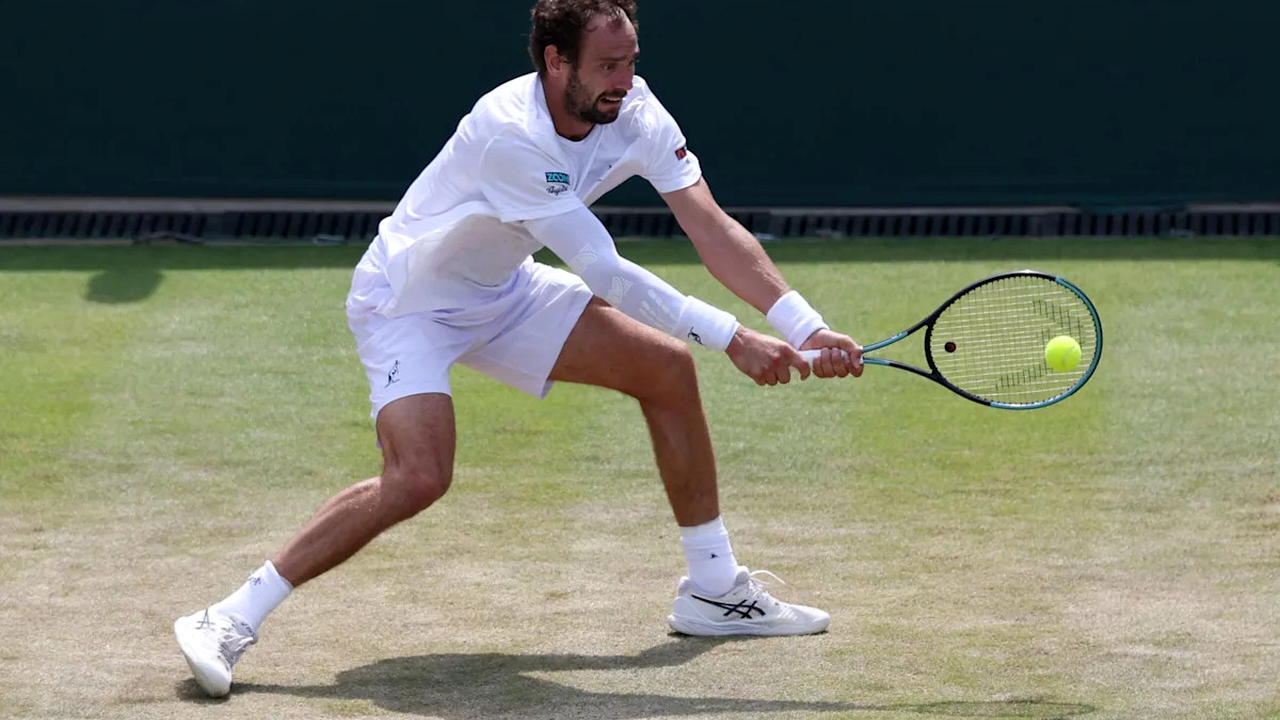
Beating Fonseca is no minor footnote
Roman Safiullin came into his meeting with Novak Djokovic off the back of a win over Joao Fonseca. That matters, because it shows he reaches the fourth round not merely as a name in the draw but as a player who has already come through a serious test.
Fonseca is young, powerful and dangerous once he finds his rhythm. Safiullin had to stay calm, serve under pressure and stop his opponent’s energy from completely reshaping the match. A win like that builds confidence.
Against Djokovic, confidence alone will not be enough. But it means Safiullin arrives with a clear sense that his game can hold up in a big moment.
What the duel brings
| Previous match | Safiullin beat Fonseca and earned the duel with Djokovic. |
|---|---|
| Main weapon | The serve and the first shot after it. |
| Biggest danger | Quick service games that keep the pressure on the favourite. |
| Djokovic’s answer | Deep returns and constantly extending the points. |
| Serbian angle | The match cannot be allowed to drift into the rival’s serving rhythm. |
The serve could buy him time
Against Djokovic, Safiullin needs to get something for free on his serve. If every game starts with a long rally, the Serbian will reach his strongest zones far too quickly. His serve therefore has to produce short points, weaker returns or at least a weaker second ball.
That does not mean he can live on aces alone. Djokovic is too good a reader of the game. Safiullin has to vary his direction, pace and intent after the serve. If a pattern becomes obvious, Djokovic will gradually lock it down.
The best version for the outsider is one where the serve is not just a shot but the start of a plan. The first forehand or first move forward must follow a good opening ball straight away.
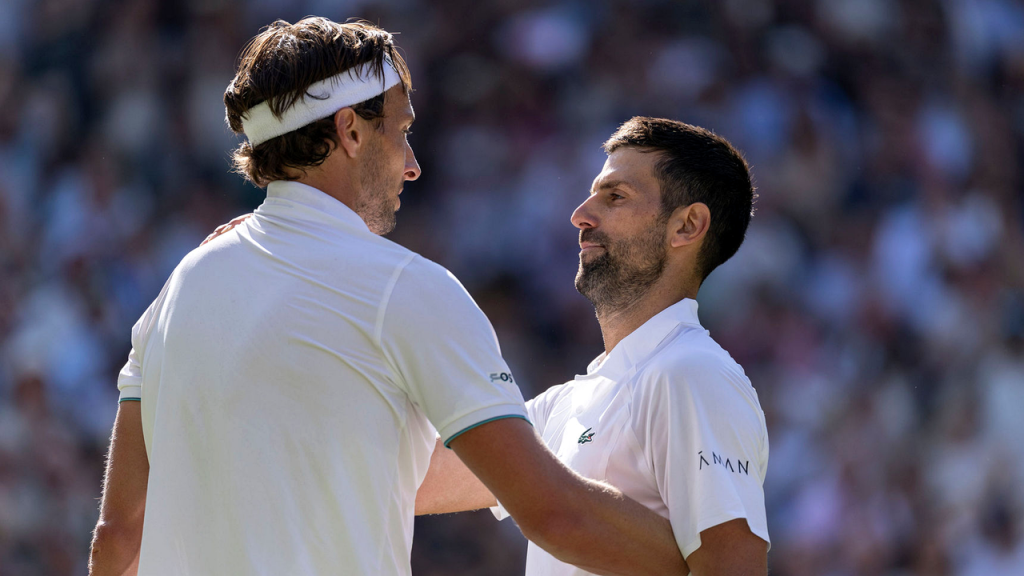
Fonseca gave him useful preparation
The match with Fonseca was valuable precisely because it demanded composure against a talent who can erupt in short spells. Safiullin had to survive shifts in energy and keep his order when his opponent raised the tempo.
Djokovic is a different problem, but the principle stays similar. If Safiullin changes too much after losing one game, the match will slip from his grasp. If he keeps building points through his first shot, he can at least make the favourite work harder.
That preparation does not erase the gap in experience. It simply shows Safiullin has a basis for a serious showing, particularly if the opening of the match stays calm.
Djokovic will look for cracks in repetition
Safiullin’s biggest challenge will be repeating good service games. One quick game changes little. Five or six of them start to build pressure. Djokovic will therefore look for small dips: a weaker second serve, a poor exit from the corner or a short ball after a longer rally.
Once he finds them, he rarely lets go. Safiullin must accept that at some point he will lose control of a few points. What matters is that he does not then go for too much just to regain the feeling of power.
Against Djokovic, staying measured is often the hardest thing to do. The rival makes you do more, and too much too soon quickly becomes an error. That is the central test of this match.
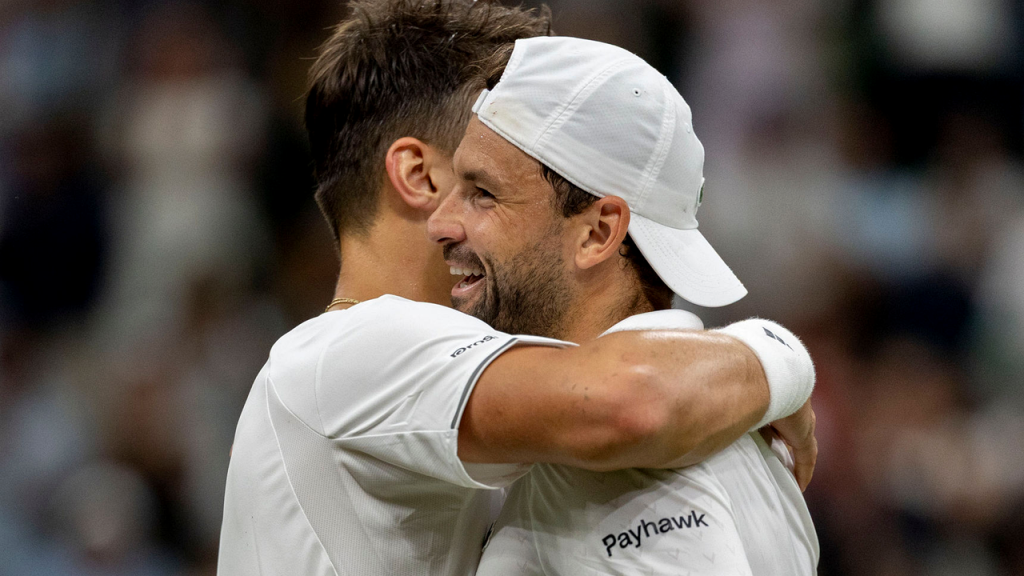
For Serbia, it matters that Djokovic quickly snuffs out the rival’s belief
From the Serbian point of view, the ideal start is one in which Djokovic shows early that he is reading the serve. He does not have to break at once, but he must send Safiullin a message that no game will be clean without a fight.
If Safiullin begins to doubt his first pattern, his attack will naturally become less secure. Djokovic can then stretch the rallies, change depth and use his experience in the key points.
So this duel is not simply a question of quality. The question is how quickly Djokovic can drain the confidence Safiullin carried out of his win over Fonseca.
If he does it in time, the match will stay under control. If not, the fourth round could turn more tense than the favourite would like.
Safiullin deserves a serious reading for that reason, but not an overblown one. His chance exists through his serve and first shot, while Djokovic’s task remains to reduce that chance before it gains full weight.
That is exactly why the first return games will matter. If Djokovic gets into rallies early, Safiullin will have to demand ever more precise serves. If he does not, the Russian can stretch his belief and make the match more nervy.
For the favourite, the best route to shrinking that belief without grand gestures is deep returning, calm service games and pressure that builds point by point.