
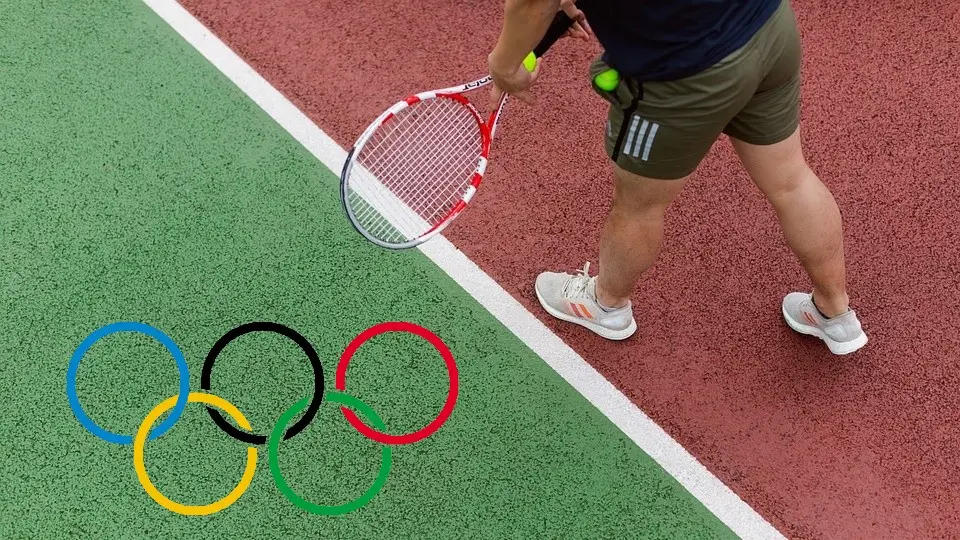
Have you ever wondered how tennis, an elegant sport that demands precision and stamina, takes centre stage on the biggest sporting platform in the world, the Olympic Games? Since its debut at the first modern Games in 1896, tennis has had an eventful journey, including a long absence and a definitive return in 1988. Today the Olympic tournament gives players a unique opportunity to represent their countries and win prestigious medals, adding a new dimension to their careers. In this blog post we will trace the history of tennis at the Olympics, examine its influence on players and fans, and consider why this event stands apart in the tennis world. We begin with the historical development of tennis at the Games, then look at the current formats and rules, and finish by discussing the emotional and professional weight that Olympic appearances carry for tennis players.
The History of Tennis at the Olympic Games
Tennis first featured at the Olympic Games in 1896 in Athens, but after 1924 it was dropped until 1988, when it returned in Seoul. This gap reflected shifts in the professionalism of the sport, as the International Olympic Committee (IOC) had for a long time insisted on the amateur status of competitors. The return of tennis to the Olympics opened a new chapter in the sport’s history, allowing professional players to compete for the prestigious Olympic medal.
Rules of the Olympic Tennis Tournament
The Olympic tennis tournament follows the rules of the International Tennis Federation (ITF), with a few specific adjustments:
- Format of competition: The tournament includes singles and doubles, with men’s and women’s categories, as well as mixed doubles.
- Competition system: Play is knockout, so a defeat eliminates the player or pair from further competition.
- Sets: Men’s matches are usually played as best of three sets, while women’s matches are played as best of two sets.
- Surface: The surface varies with the host of the Games, but hard courts, grass and clay are the most common.
- Tie-break: It is introduced in deciding sets to avoid very long matches.
The Greatest Moments in Olympic Tennis
Olympic tennis has witnessed many unforgettable moments and historic achievements. Here are some of the standout ones:
Steffi Graf and the Golden Slam (1988)
German tennis player Steffi Graf achieved an extraordinary feat by winning the Golden Slam in 1988. After claiming all four Grand Slam titles that year, Graf crowned the season with gold at the Olympic Games in Seoul, becoming the first and only tennis player to complete the Golden Slam.
Andy Murray and Back-to-Back Gold (2012 and 2016)
British player Andy Murray became the first man to win singles gold at consecutive Olympic Games. Murray first triumphed in London in 2012, then repeated the success in Rio de Janeiro in 2016, confirming his dominance on the sport’s biggest stage.
Serena and Venus Williams: Sisters at the Top
Serena and Venus Williams won four gold medals in doubles, making them the most successful women’s tennis pair in Olympic history. Their dominance began in Sydney in 2000 and continued in Beijing in 2008 and London in 2012.
The Impact of the Olympic Games on a Tennis Career
The Olympic Games offer tennis players a rare chance to compete for their country and win a prestigious medal that often outweighs individual success on the ATP and WTA tours. Players frequently say that the feeling of playing for a national team is unlike any other competition.
Beyond personal satisfaction and national pride, an Olympic medal can significantly shape a player’s career. Winners often become national heroes, and their success can attract sponsors and media attention that reach well beyond the usual boundaries of the tennis world.
Conclusion
Tennis at the Olympic Games combines individual and team challenges, historic moments and a chance for players to leave their mark on the global sporting stage. From the historic return in 1988 to the unforgettable moments created by some of the greatest players of all time, Olympic tennis continues to fascinate and inspire fans around the world.
In the future, tennis will certainly keep playing an important role at the Olympic Games, producing new stories of success, struggle and a sporting spirit that transcends national borders.