
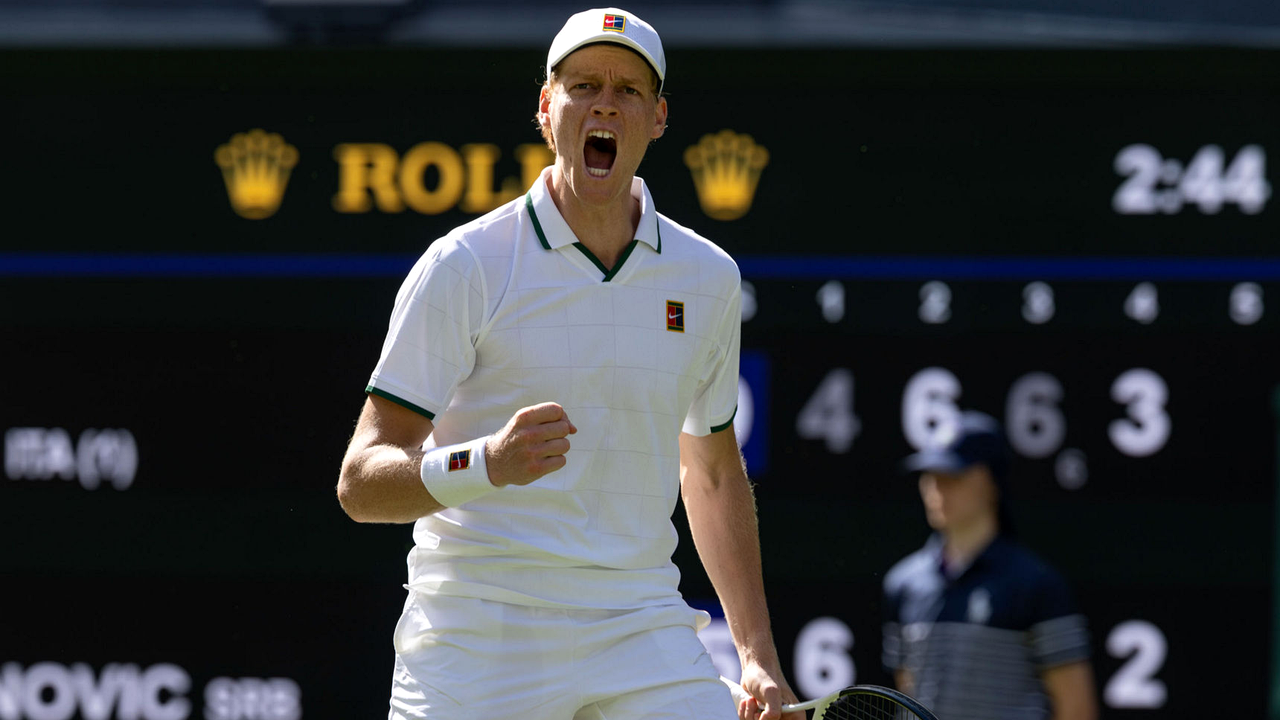
This was no ordinary first-round exit
Miomir Kecmanović lost to Jannik Sinner 4:6, 6:3, 6:7(6), 6:2, 6:3, yet the way he lost changes the tone of the story. The Serbian took the first set, won the third on a tiebreak and forced the defending champion to spend three and a half hours on a match that should never have felt routine.
That does not mean the defeat should be celebrated. It means there is real material to be drawn from it. Kecmanović did not wait for Sinner’s mistakes alone. With an early strike, a heavier forehand and a braver position on the baseline, he created a problem that the champion had to fix during the match.
In a Grand Slam context, a performance like this leaves a mark. It was not enough to go through, but it was enough to show where his game can become dangerous when the plan holds for long enough.
The shape of the match
| Result | Sinner beat Kecmanović 4:6, 6:3, 6:7(6), 6:2, 6:3. |
|---|---|
| Duration | The match lasted three hours and 30 minutes on Centre Court. |
| Serbian gain | Kecmanović won the first and third sets. |
| Main pattern | Early contact and pressure from the forehand caused Sinner the most discomfort. |
| Lesson | The plan must stay steady even when the match reaches the fourth and fifth sets. |
The initial idea was sound
At his best, Kecmanović played exactly the way an outsider on grass has to play against a favourite. Taking the ball early shortened Sinner’s time, and a firm first shot stopped the Italian from turning every point into a familiar rhythm.
That approach carries risk. If the aggression slips even slightly out of control, errors arrive quickly. Kecmanović, however, kept the line between brave and impatient for a long time. That is why the match became a serious problem for the top seed, rather than just a promising Serbian start with no follow-through.
The best evidence came in the third set. When Sinner had already regained some control, Kecmanović managed to win the tiebreak and once again pushed the champion into defensive thinking. That level does not appear by accident.
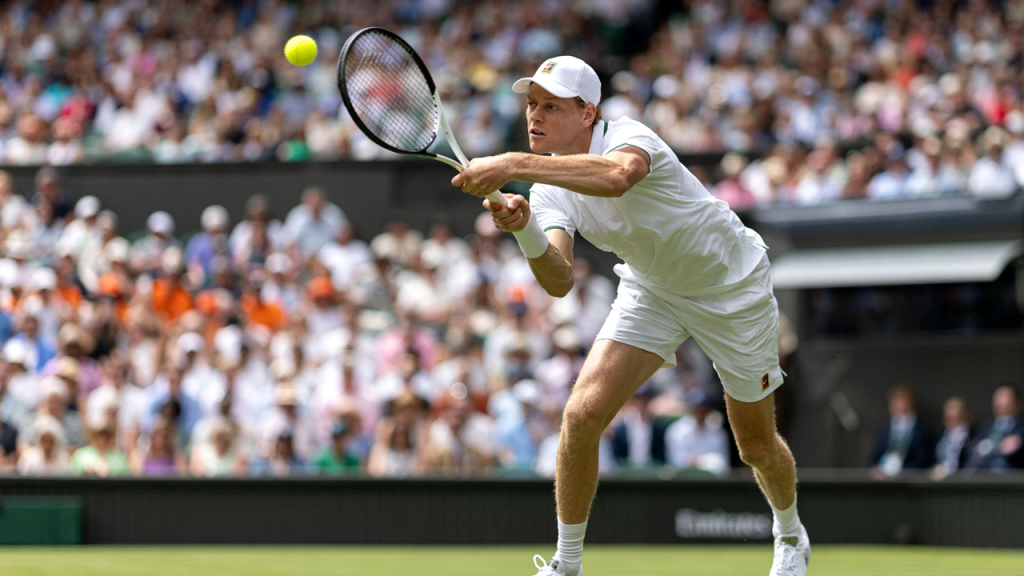
Sinner survived because he cleaned up the final hour
The gap opened in the fourth and fifth sets. Sinner did not have to become spectacular; he had to become cleaner. He cut down on gifts, made better use of changes of pace and forced Kecmanović to once again prove the same quality after long exchanges.
That is the lesson top players deliver. Two good sets create a chance, but the final hour demands a serve that does not drop, legs that do not tire and decisions that do not speed up just because a big opportunity is in sight.
Kecmanović may therefore be unhappy with the result, yet still aware that his basic plan was not wrong. It was good enough to unsettle Sinner. Now he must become durable enough to win matches in which the favourite does not have the same capacity to recover.
The Serbian angle is about more than Đoković’s records
For Serbia, Wimbledon naturally draws most attention through Novak Đoković and his historic figures. Kecmanović’s match, however, offers a different kind of information. It is not about legacy, but about how a Serbian player from further down the draw can challenge the very top when he has a clear tactical direction.
That is an important part of the picture. Tennis lives not only on its biggest names but also on players who can raise the standard in a major setting. Kecmanović showed that his best level on grass carries enough weight for a favourite to be unable to get through without adjusting.
The next step is less glamorous: repeating the same level in matches without Centre Court, a champion across the net and a huge crowd. A big performance only becomes valuable once it turns into a habit.
A defeat should be turned into a working document
The most useful conclusion for Kecmanović is that he knows what worked. Early contact, a braver position, attacking the second serve and a willingness not to wait for Sinner’s weakness produced a realistic result. That is the starting point for the rest of the season.
Less useful would be to turn the match into a story about a missed sensation. Sinner survived because he was more stable at the end, but Kecmanović did enough to make the defeat feel far from empty. Matches like this often build confidence if they are read coolly.
For Serbian tennis, it is an honest Wimbledon lesson. Not every good performance is a win, but some defeats clearly show what a player needs to repeat. This one is exactly that.
If Kecmanović takes a calmer serve under pressure and the same courage into more ordinary matches, Sinner’s victory will not close the story. It will open a more useful next chapter.