
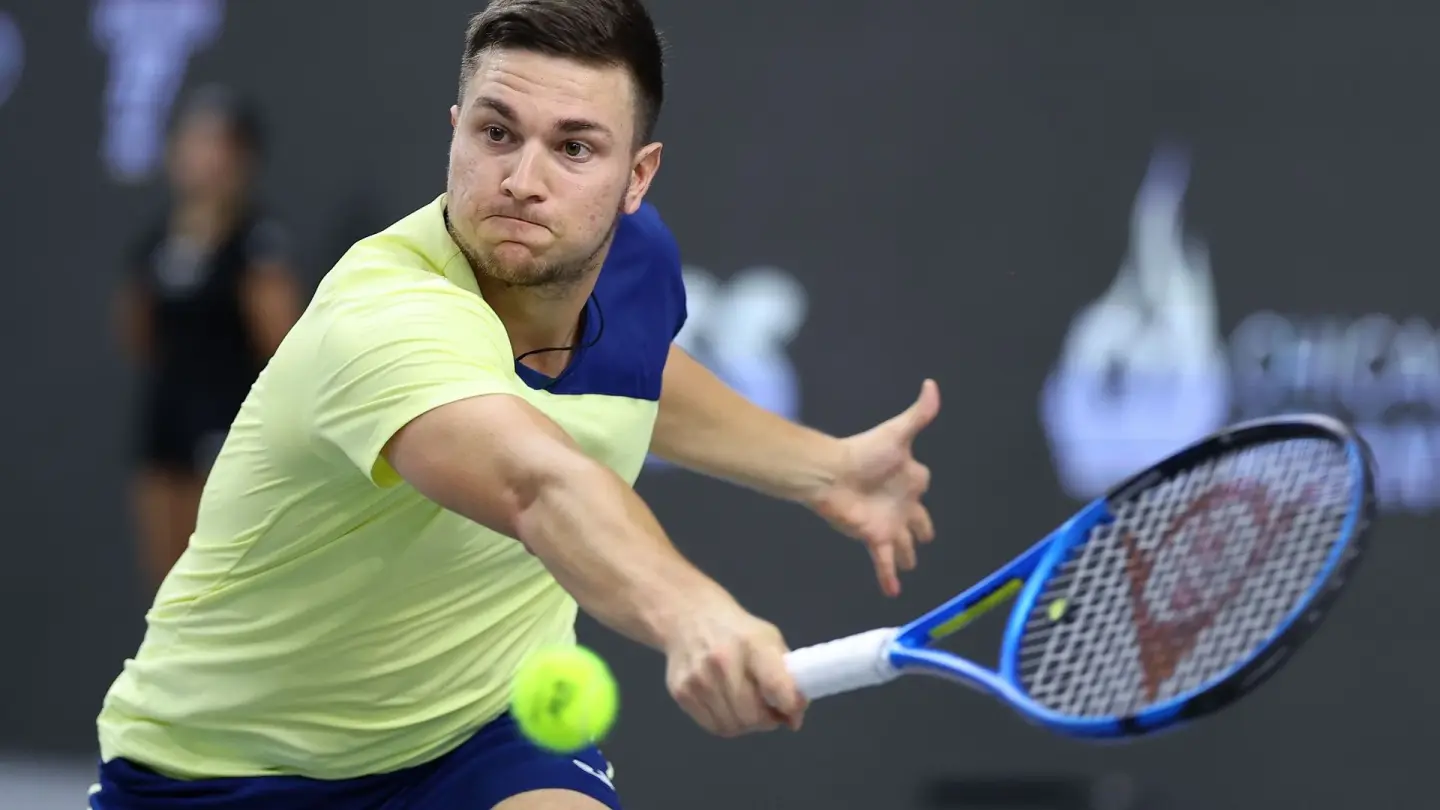
Miomir Kecmanović bowed out of Chengdu after losing 7:6, 6:4 to Nikoloz Basilashvili. The first set went to a tie-break, and in the second the Georgian kept his lead long enough to wrap up the match without a third set.
A handful of points decided the opener
Both men held serve for long stretches, so the tie-break turned an evenly contested set into a short run of decisions under heavier pressure.
Kecmanović could not build a sufficient gap in the rallies before Basilashvili seized the initiative.
The core fact behind “Kecmanović’s match against Basilashvili” is clear: the defeat came in two sets, after a tie-break and one protected lead. Any assessment that starts from a different premise easily blurs what actually happened with what might follow. The safest conclusion remains the one that the source and the visible result confirm. Later information may widen the picture, but it should not overturn a confirmed fact simply because a more dramatic reading sounds more appealing.
The closing check on “Kecmanović’s match against Basilashvili” should separate the confirmed outcome from what still needs watching. The source confirms the event itself, while later reporting will show how far its wider effects reach. That distinction keeps the conclusion precise and stops a single unclear detail from altering established facts. It also leaves room for later additions without suggesting the current account is unfinished.
Basilashvili looked for an early strike
The Georgian is at his most dangerous when he receives the ball at a height from which he can attack without taking an extra step back.
Kecmanović therefore had to keep his depth, because a short ball immediately shifts the balance of power in the point.
The main strength in “Kecmanović’s match against Basilashvili” is that a steady serve can keep the match level. Its value shows in concrete decisions rather than broad promise. A useful advantage opens another realistic option, leaves time to react, and stays clear under pressure. When it repeats across several similar situations it becomes part of a dependable pattern; when it appears only once it remains a good sign, but not final proof.
A reliable assessment of “Kecmanović’s match against Basilashvili” needs linked evidence. One result can confirm the following: the defeat came in two sets, after a tie-break and one protected lead. The next check should follow the quality of the first shot after the serve and the return. The conclusion grows stronger when the main strength stays visible: a steady serve can keep the match level. At the same time the risk must not be ignored: a few short balls hand the aggressive opponent control.
The second set left less room for a comeback
One spell of weaker serving was enough to create a lead that the opponent protected to the end.
The Serbian stayed within reach on the scoreboard, but did not win enough consecutive chances on the return to change the course of the set.
The most important risk in “Kecmanović’s match against Basilashvili” is that a few short balls hand the aggressive opponent control. That weakness starts to bite before the final moment, because it quietly shrinks the number of options available. A hasty correction often creates a second problem and makes the original cause harder to find. A calmer analysis isolates the moment when control was lost, checks the support that was available, and changes only the part that did not work.
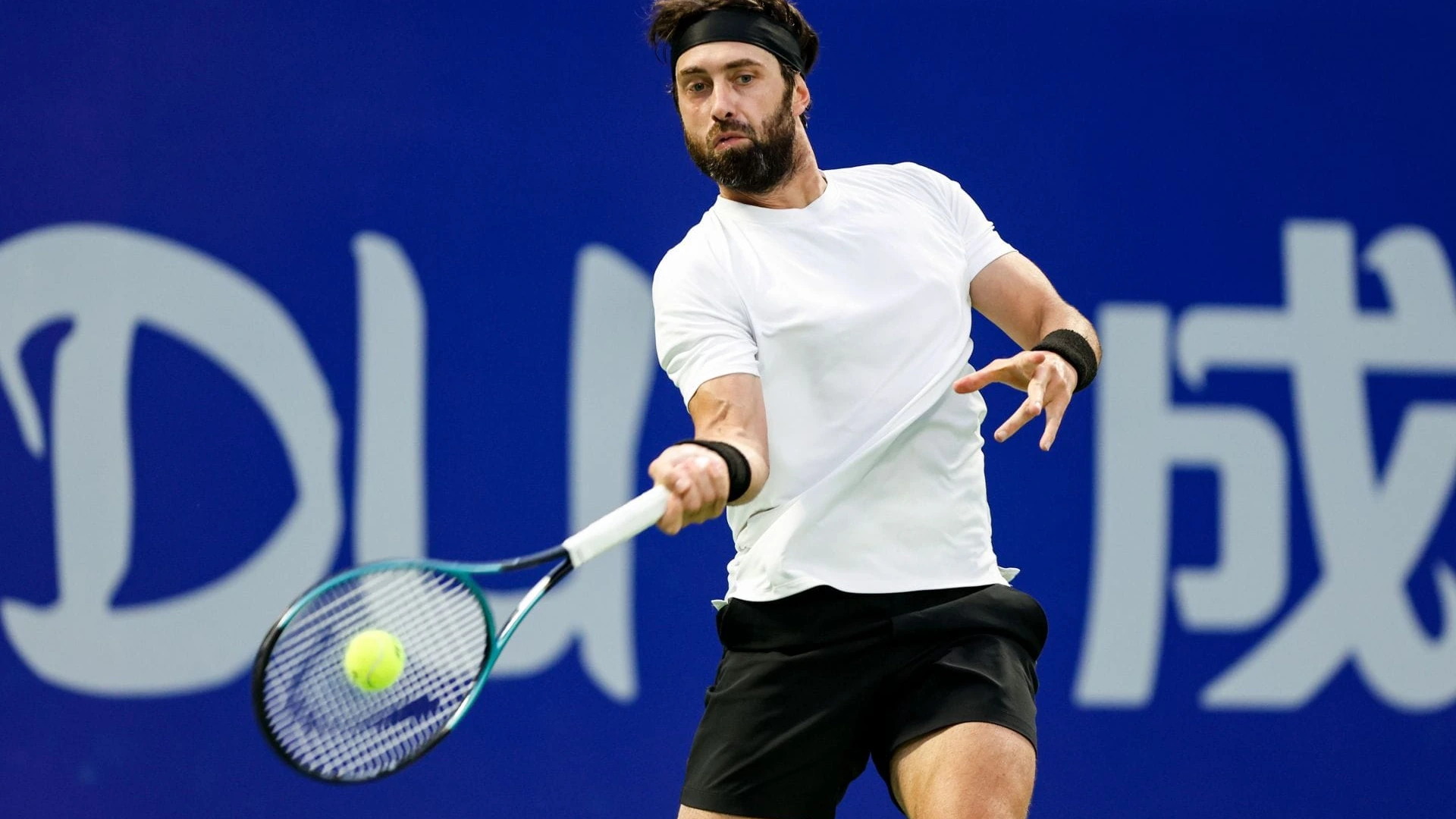
Kecmanović can keep the foundation of his game
His game stays stable when the first serve opens up the court and the forehand comes from a balanced position.
The most important adjustment concerns shot selection in tight sets, rather than trying to finish every point as early as possible.
The practical answer for “Kecmanović’s match against Basilashvili” is this: in the key games, hold depth and choose the safer direction. The order matters: first check the starting position, then carry out the intention, and only then judge the immediate outcome. That approach does not guarantee success, but it makes the result easier to explain and to repeat. In this way one specific weakness does not trigger an unnecessary change to the whole plan.
The next tournament brings a fresh opportunity
The tennis calendar moves attention quickly to the next surface and opponent, so the analysis has to be short and specific.
The most useful takeaway concerns the tie-break and the first shots after the serve, since those phases made the difference.
The clearest yardstick for “Kecmanović’s match against Basilashvili” will be the quality of the first shot after the serve and the return. A single striking moment cannot answer that question, because it may depend on good timing, a favourable exchange or one isolated error. Several similar situations show which part stays reliable and which weakens when conditions change. A stable pattern supports the conclusion, while a sudden drop exposes the phase that needs the next correction.