
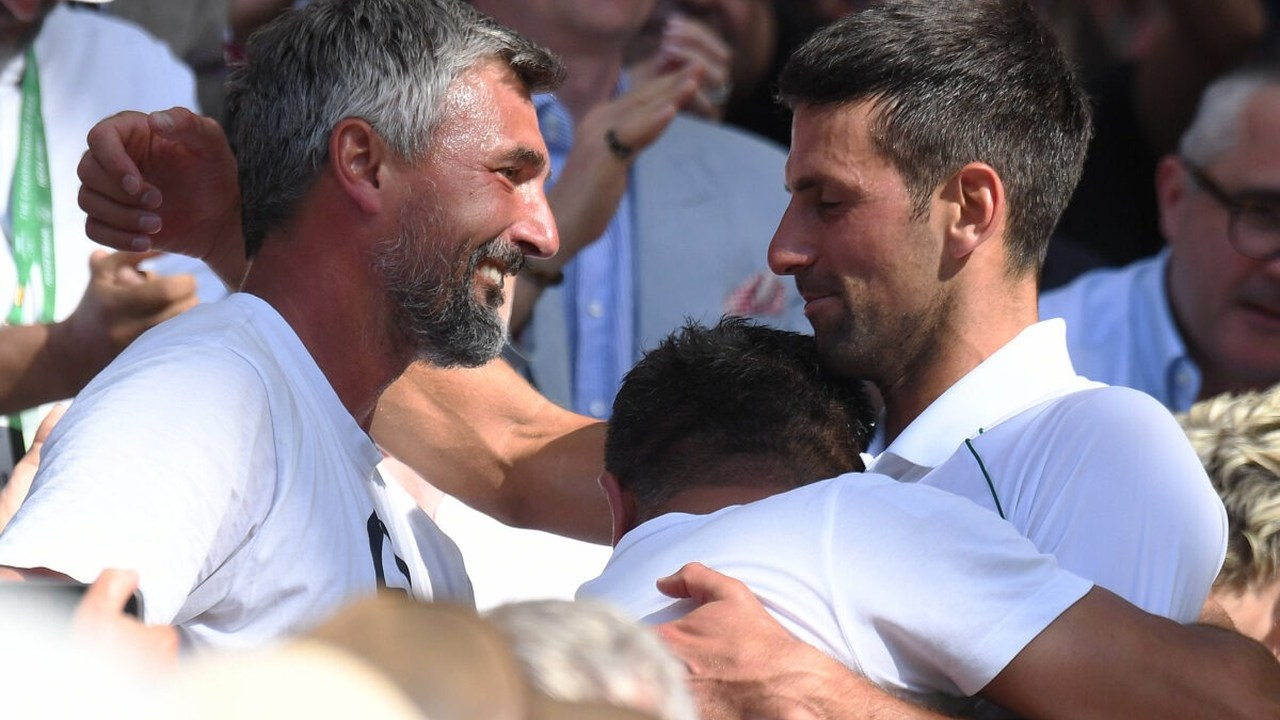
Goran Ivanisevic and Novak Djokovic meet after a tennis match.
Goran Ivanisevic thinks Novak Djokovic can keep competing until the Olympic Games in Los Angeles. The former coach considers a carefully selected schedule the most realistic route.
Djokovic has also spoken of the next Olympics as a long-term motivation. He has set no date for retirement and has not described Los Angeles as his final tournament.
Ivanisevic knows the work behind the big titles
Ivanisevic coached Djokovic through several of the most successful seasons of his career. Their partnership brought Grand Slam titles on different surfaces.
That experience gives the Croatian a close view of Djokovic’s preparation. He watched the training, the recovery and the planning that comes before appearances in front of crowds.
The two no longer work together, but Ivanisevic knows Djokovic’s habits well. His assessment concerns the player’s capacity, not a decision for the current team.
He believes Djokovic has the discipline for one more Olympic cycle. The bigger question is whether the daily work still brings him enjoyment.
Djokovic no longer has to play every week to hold his position. In recent seasons he has put the biggest events ahead of a nonstop chase for points.
Ivanisevic believes the physical side can be managed with fewer matches. He sees the greater challenge as staying motivated through another long cycle of training.
Olympic gold has changed the long-term goal
Djokovic won Olympic gold in Paris and achieved one of his biggest goals. In Los Angeles he could appear as the defending champion.
The Olympic tournament fits into a short international window. Players represent their countries and go through a condensed draw.
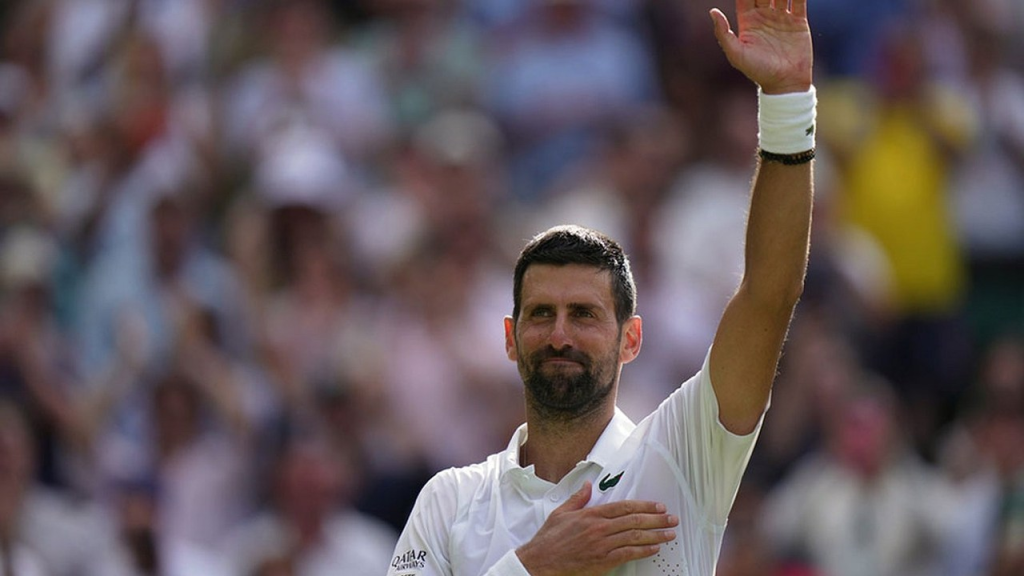
Djokovic greets fans on the Centre Court during Wimbledon 2026.
Taking part requires good health, the right to compete and a national team selection. Those conditions will be assessed much closer to the Games.
Ivanisevic considers the goal achievable because Djokovic is already choosing fewer tournaments. He does not have to follow the busiest possible calendar.
That choice allows longer training blocks built around fewer targets. It also leaves time to fix a minor physical problem before it becomes a bigger one.
Djokovic’s team can adjust exercises, recovery and travel around that goal. The player still has to accept the repetition that comes before every tournament.
A shorter schedule leaves more time to prepare
Djokovic now plays fewer tournaments than in his most demanding seasons. Longer breaks leave room for recovery, family and focused training blocks.
That approach can reduce the physical load. At the same time, each appearance matters more because there are fewer matches in which to build competitive rhythm.
| Interviewee | Goran Ivanisevic |
|---|---|
| Long-term goal | Los Angeles Olympic Games |
| Approach | Carefully selected tournament schedule |
| Olympic status | Gold medallist from Paris |
Preparation for a Grand Slam therefore begins well before the tournament. Training has to produce enough intensity for a run of matches against the leading rivals.
Our report on Djokovic’s recovery shows how family time fits into that carefully planned programme.
Paris showed why the approach can work. Djokovic arrived with one clear Olympic target and achieved it against top-level opposition.
A smaller calendar also raises the importance of the early rounds. Djokovic may face rivals with more fresh matches behind them, and he has to find his level quickly.
Singles tennis carries a heavy mental load
Ivanisevic stressed the repetition involved in an individual sport. A veteran player repeats the same technical work year after year without team-mates to share the responsibility.

Djokovic takes part in a public event away from the tournament court.
Every point still depends on the player’s own decisions. A coach’s support matters, but nobody can take over a difficult service game or a long rally.
That is why motivation matters as much as physical readiness. Djokovic has to want the training days, not only the big matches in front of full stands.
Family commitments also shape the calendar. Fewer tournaments bring balance, but they do not remove the travel and concentration needed at major events.
Djokovic controlled the key points in the gold medal match against Carlos Alcaraz. That victory secured the Olympic title.
Djokovic remains close to the leading group
Ivanisevic places Djokovic alongside Jannik Sinner, Carlos Alcaraz and Alexander Zverev. He believes the Serb can still challenge the best at the biggest tournaments.
A single top-quality match is only part of that challenge. A deep run requires recovery before the next opponent and adjustment to different conditions.
Djokovic’s experience remains a major asset in important points. The schedule should preserve that quality for the tournaments he values most.
Ivanisevic sees Los Angeles as an achievable goal. Health, motivation and results will shape Djokovic’s seasons before the Games.
Los Angeles would demand the same focused preparation later in his career. The tournament cannot simply be added to a full calendar without careful planning.
A chosen schedule protects the Olympic goal
Djokovic is now building his calendar around selected major tournaments and longer recovery periods. Ivanisevic believes that approach makes one more Olympic cycle possible.
Los Angeles remains a long-term goal rather than a date for retirement. Health, motivation and results will decide the tournaments played before the Olympic Games.