
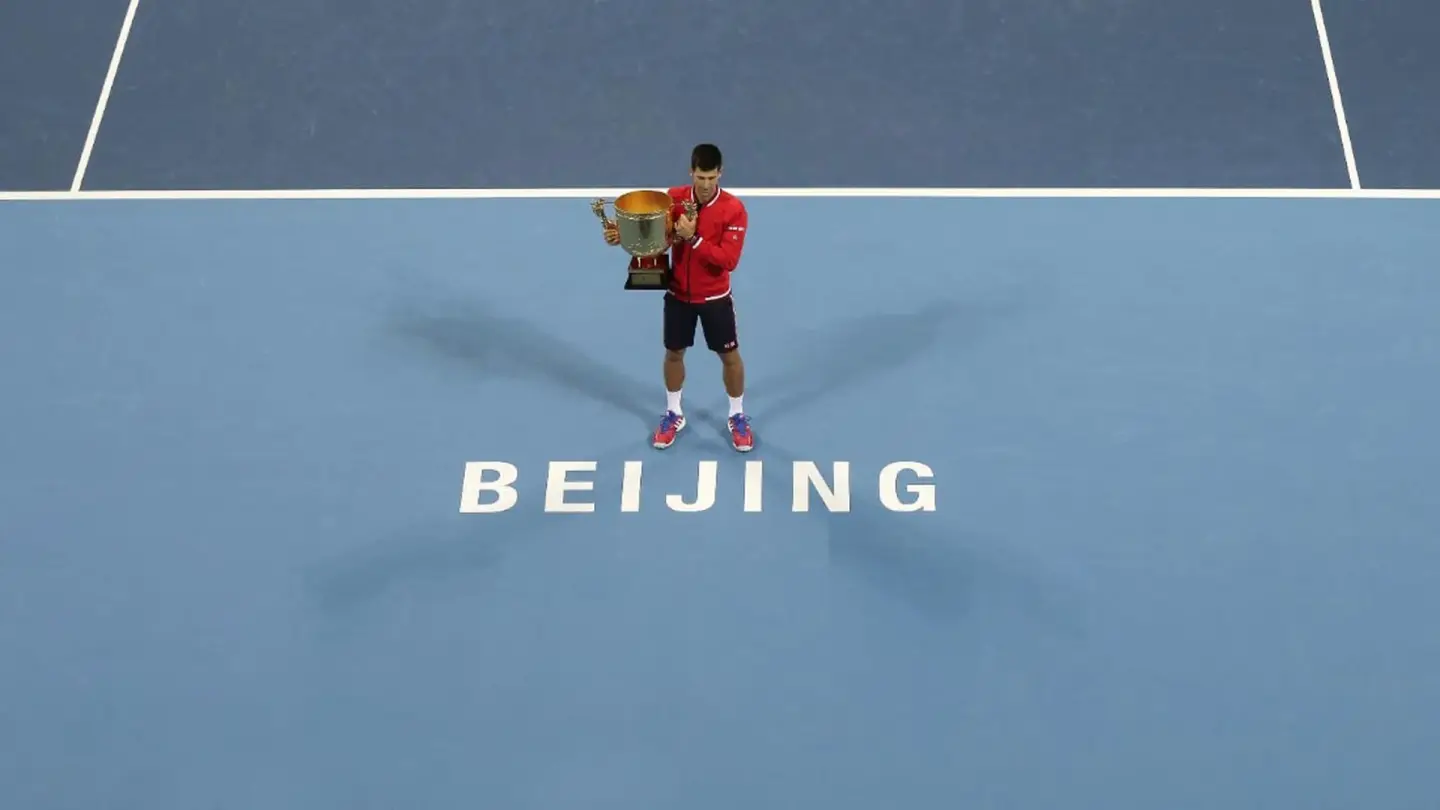
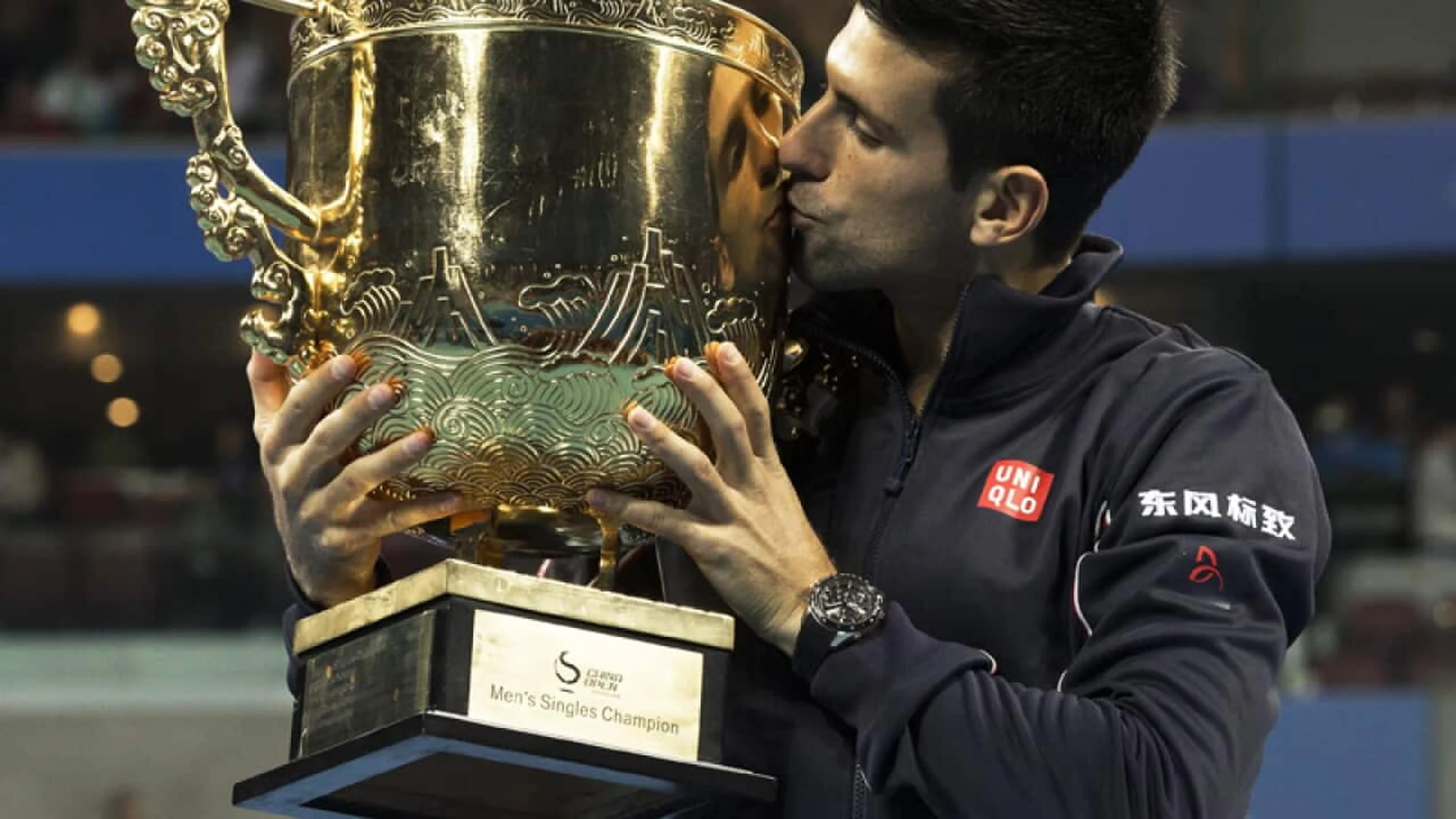
Novak Djokovic has been confirmed for the China Open in Beijing, which runs from 30 September to 6 October. The Serbian player is returning to this event after 11 years. Across his six earlier visits he lifted six titles and won all 29 of his matches, and he last competed here in 2015, when he overcame Rafael Nadal in the final.
Beijing’s flawless record comes with new conditions
A 29:0 record explains why this comeback stands out on the calendar. Still, a long winning run does not play points for him. The surface, the balls, the weather and the make-up of the draw are all different now, so preparation has to start from current form rather than from memories of six trophies.
A strong history can ease the early nerves because the player knows the courts and the atmosphere. It can also create needless pressure if every tough set is framed as a threat to a perfect record. The better approach is to treat the past as proof of adaptability, not as an obligation for every match to be easy.
A first tournament after the US Open calls for careful workload planning
Beijing is Djokovic’s first appearance since the US Open. The break allows time for recovery and training, but competitive rhythm cannot be fully replaced by practice on court. The opening match will therefore be important for judging reaction speed, the length of rallies and how safely he changes direction.
The serve does not need to reach top speed straight away. More important are the percentage of first serves and the quality of the first shot after it. A short hold on his own serve conserves energy, while long games early on show that the body will have to spend more time defending.
| Detail | Value |
|---|---|
| Previous appearances | 6 |
| Titles in Beijing | 6 |
| Match record | 29:0 |
| Last appearance | 2015 |
| Tournament dates 2026 | 30 September – 6 October |
A fast surface rewards early contact with the ball
In Beijing, Djokovic has previously managed to take the ball early and change direction without a big backswing. That style takes time away from his opponent and reduces the need to run constantly far behind the baseline. Returning to the same principle will matter more than trying to finish every point with a heavy shot.
Return of serve remains a key advantage. A deep ball through the middle can be more useful than a risky angle, because it stops the opponent from attacking the next shot straight away. Once the rally opens up, Djokovic can use a change of direction to force his rival to hit on the move.
The ATP 500 format leaves little room for a slow start
The China Open is an ATP 500 event with a strong draw. A single weak set can be enough for an opponent to take the match. For that reason, choosing the pace in the early rounds has to combine saving energy with readiness to raise the level as soon as danger appears.
A seven-day schedule means matches and recovery follow each other quickly. Training between rounds should address one specific detail rather than repeat a full preparation session. Sleep, recovery and adjusting to local time become part of the result just as much as the work on his tennis serve.
The comeback carries sporting and emotional weight
Djokovic last played in Beijing in 2015, when he beat Nadal in the final. Fans remember that period, but now they have the chance to see a different phase of his career. Experience and match management carry greater weight, while every tournament has to fit carefully into the wider plan for the season.
The most realistic goal in the first round is a steady, healthy performance and clear progress through the match. If the serve, the return and his movement stay connected, the level can rise with every round. A perfect historical record gives the story its weight, but current quality will decide how long this return to Beijing lasts. Djokovic’s flawless Beijing record belongs to an earlier period of his career, so the comeback should not be judged only by an attempt to continue an old run. Conditions, opponents and his body now demand a more careful distribution of energy. The first match will be important for rally length, first-serve percentage and how he moves after changing direction. If those three things stay stable, his experience on these courts can again become an advantage. Audiences will naturally expect a fight for the title, but the professional goal has to be narrower: finding competitive rhythm without unnecessarily prolonging the early rounds. Beijing is a place where Djokovic feels secure, which is exactly why he can accept more calmly that every match does not have to look like a final from his previous cycle. The tournament schedule will further shape how he prepares. If the first matches are played at a different time from the closing stages, changes in temperature and court speed can affect the bounce of the ball. Djokovic therefore has to judge early how aggressively he can return the second serve and whether it is better to extend a rally than to go for a line at the first opportunity. His 29 wins in Beijing confirm an exceptional connection with the tournament, but they do not settle a single point in a new draw. The practical advantage comes from his memory of the conditions, the support of the crowd and the routine he uses to adjust his game during a match. That is enough to make the comeback significant, without turning his first round into a story about an obligatory seventh title.