
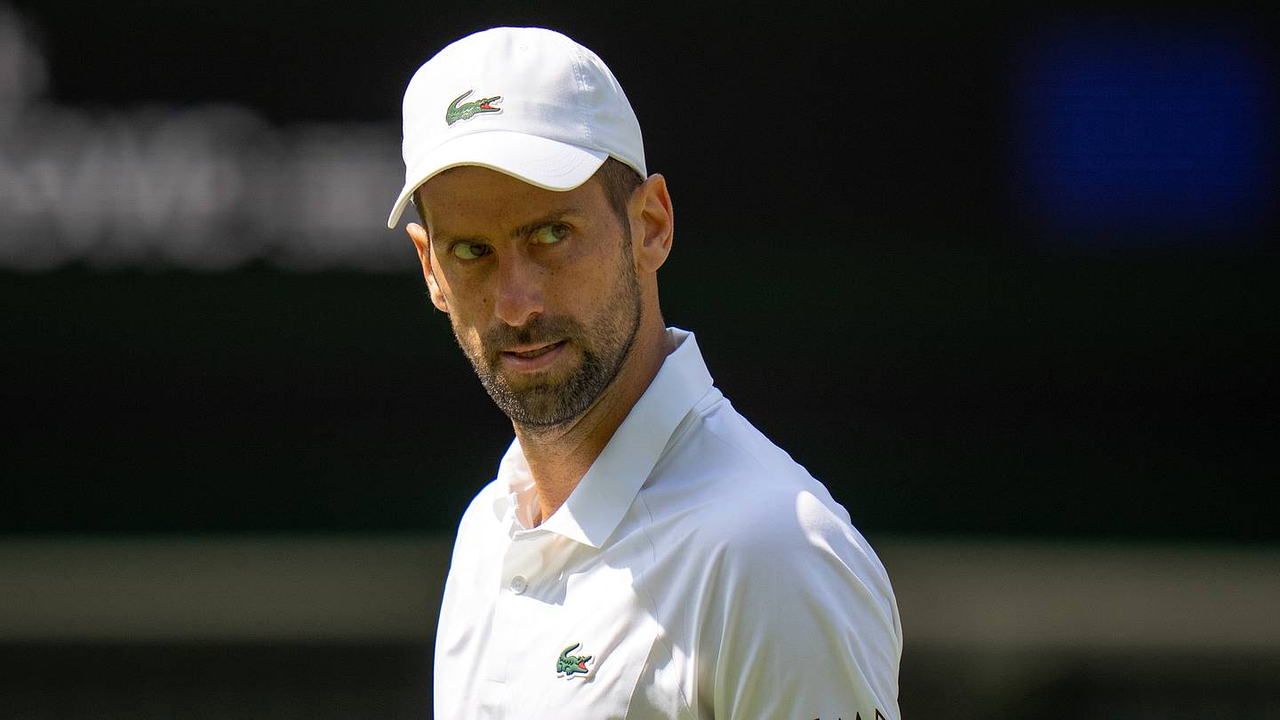
The match cannot be read through head-to-head alone
Novak Djokovic arrives as the natural favourite against Roman Safiullin. He has the experience, the stronger record between them and far more Wimbledon capital behind him. Even so, a fourth-round tie on grass leaves little room to treat it as a formality.
Safiullin has a serve and a first shot that can shorten points quickly. If he wins a few early games in a row, the pressure can stay with the match for longer than Djokovic would like. That is why the favourite needs to make his return game visible early.
Djokovic does not need a flawless start. He needs his opponent to feel from the opening games that every service carries an extra ball and an extra decision.
Key details
| Tournament | Wimbledon, fourth round. |
|---|---|
| Match | Novak Djokovic against Roman Safiullin. |
| Advantage | Djokovic has the experience and the better head-to-head record. |
| Risk | Safiullin can cut points short with his serve and first shot. |
| Key | Early return pressure and a composed body language after long points. |
The return must be the first signal
Djokovic often builds control by making the opponent’s serve uncomfortable. He does not have to break straight away. It is enough for Safiullin to play one or two balls more than he wants in each game. On grass, such a small thing quickly turns into pressure.
If Djokovic reads the direction of the serve early, he can shift his position on the return and force his rival to aim for tighter angles. Safiullin then serves not only for the point, but also against Djokovic’s reading.
This matters most because the Serbian does not want a match decided by a handful of tie-break balls. The sooner he brings the exchanges into play, the more he can use his greatest strengths.
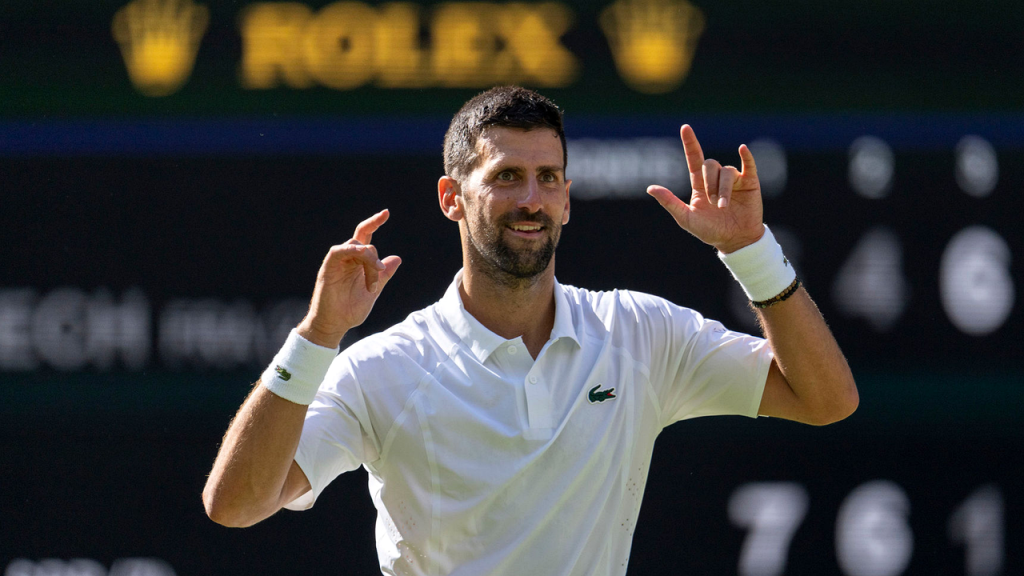
Grass demands a short memory after a mistake
On grass, one poor game can look bigger than it is. The serve comes back quickly to the rival, the crowd reacts to every change, and a few misses can open a sense of danger. Djokovic usually has the edge here because he rarely panics.
Even so, previous matches have shown that he cannot let a weak spell continue. If he loses rhythm in one set, his next service game has to be clean. If he misses an easier return, he must not immediately go looking for a near-impossible shot to make up for it.
Against Safiullin, body language will matter as much as tactics. His rival has to see that small problems do not change the basic direction of the match.
Safiullin will go looking for the first shot
Safiullin’s realistic chance is to shorten points and avoid long exchanges in which Djokovic reads the court better. That is why the serve plus first forehand will be his most important pattern. If that pattern works, the match takes on a different tension.
Djokovic’s answer must be depth. A short return or a shallow second ball gives Safiullin room to attack. A deep return, even without taking risks, can force him into an extra shot from a harder position.
This is exactly where control differs from simply waiting for an error. Djokovic does not only have to return the ball. He has to return it so that the next shot already belongs to his plan.
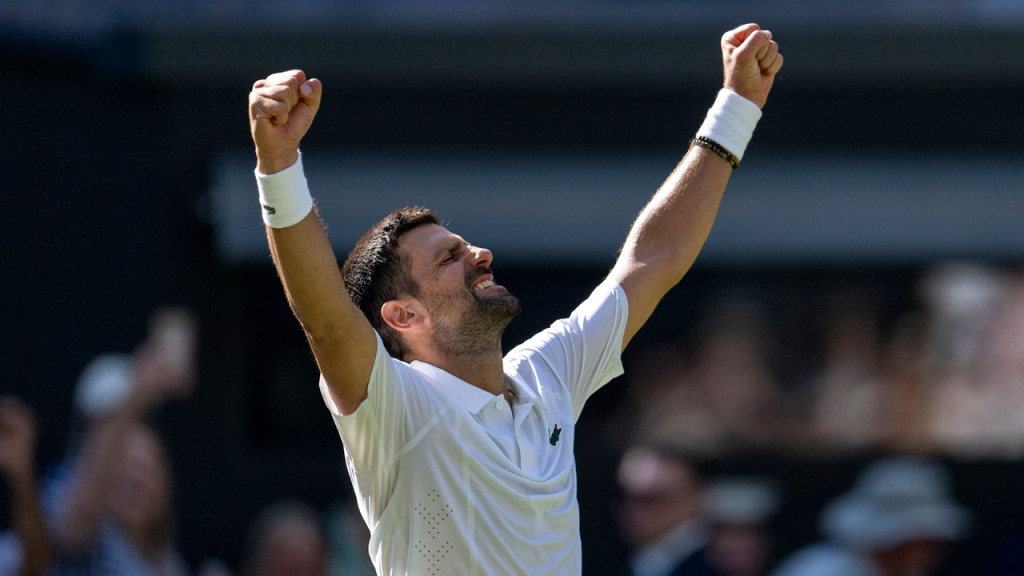
The best scenario is a win without extra expenditure
For Djokovic, getting through is the first goal, but the manner of progress carries real value. Wimbledon is not won by wins alone, but also by conserving energy for the final week. The match against Safiullin should therefore be clean enough not to open unnecessary drama.
That does not mean it has to be easy. It is enough for Djokovic to control most of his service games, for his return to gain depth during the match, and for the movement on grass to remain secure, avoiding long, nervous spells. Such a win would be the best preparation for the next round.
Serbia will watch the result, but Djokovic will watch the details. If his serve stays stable, his return gains depth and his movement on grass is secure, the fourth round can serve as a useful step.
In that case Safiullin would be not only an obstacle but also a test that helps Djokovic enter the next stage of the tournament sharper.
This matters especially because the second half of Wimbledon rarely forgives extra expenditure. Every calm set can now mean fresher legs and a clearer head in the next big match.
That is why the first set carries particular weight. If Djokovic sets the rhythm on his return straight away and does not let his rival serve without being questioned, the rest of the match can be much calmer. If the start remains too easy for Safiullin, the favourite will have to work longer for control.
Most importantly, the Serbian should not chase spectacle. A clean service game, a deep return and patience in exchanges that last one shot longer than Safiullin wants are enough.