
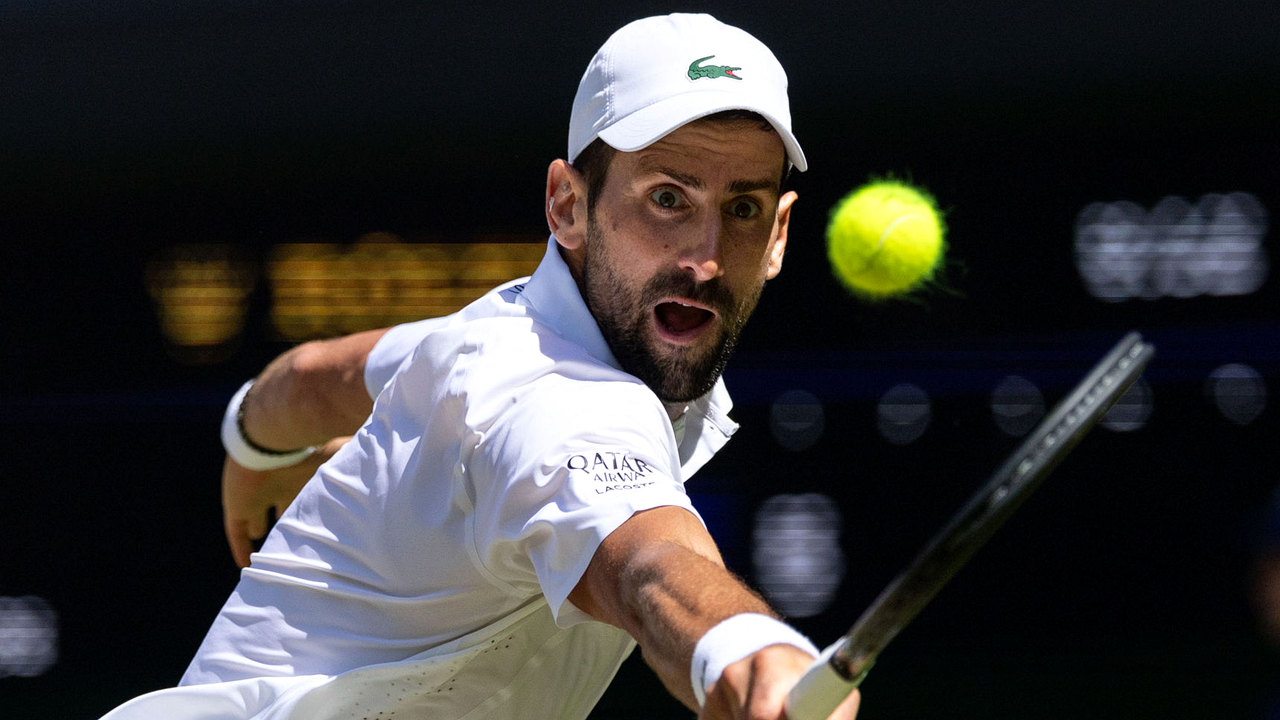
Djokovic walks into a match that demands patience
Novak Djokovic is back in a stage of Wimbledon where every game carries extra weight. His duel with Felix Auger-Aliassime is more than another step on the grass. It is a match in which the return, the first serve and the short decisions after the second shot could set the whole course of the contest.
The Serbian is at his best when he does not have to rush points to a close. If he returns enough first serves and stretches the rallies, his opponent has to play more precisely than he would like. On grass that kind of pressure rarely looks loud, but it shows clearly when a set reaches its final stages.
For Djokovic, keeping his own service games calm is especially important. Auger-Aliassime has the power to shift the tone of a match in a short burst, so Novak must take away any sense that the Canadian can move quickly through his games.
The basic shape of the match
| Tournament | Wimbledon. |
|---|---|
| Round | Quarter-final, with a semi-final one win away. |
| Serbian focus | Djokovic’s return, depth of shots and serving under pressure. |
| Risk | Short points that hand Auger-Aliassime an easy rhythm. |
| Best path | Long games on the rival’s serve and calm closing of sets. |
Also read Jokic’s message from Denver. Another related story is Serbia’s tough qualifying group.
The return has to open the first crack
Auger-Aliassime can live off a huge first serve, but that plan loses its certainty if his opponent keeps sending the ball back into play. Djokovic does not have to attack on every point. Sometimes it is enough to return a neutral ball and force the server to hit one more shot.
That kind of pressure has been one of Novak’s strongest tools for years. The opponent sees that the serve is not the end of the point, so he starts looking for angles closer to the line. That is where errors, shorter balls and the first break chances appear.
On grass, break chances should not be spent lightly. One missed opportunity can send a set into a tiebreak. That is why it matters for Djokovic that his return is not merely defensive but deep enough to change the position of the point straight away.
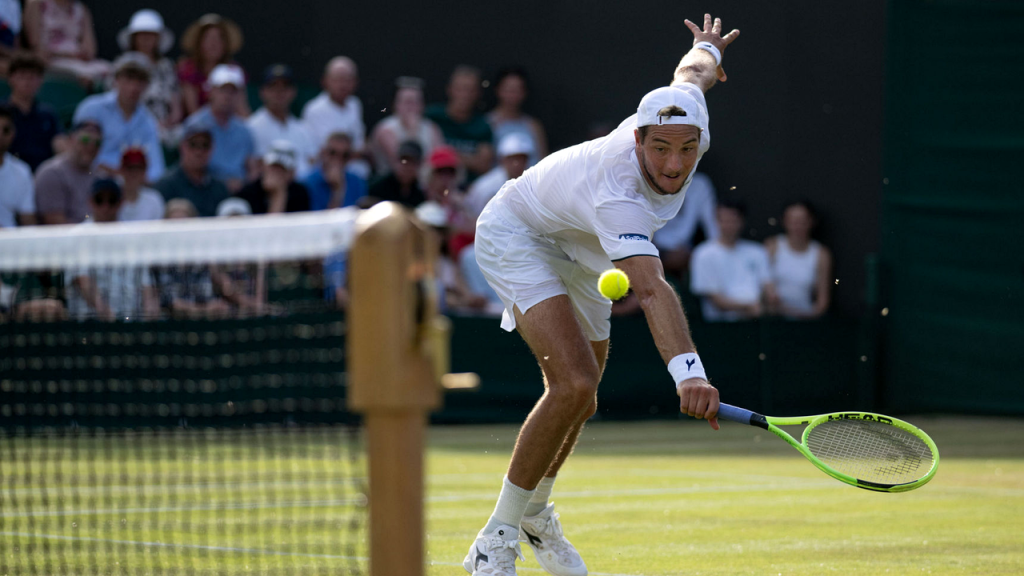
The serve needs to conserve energy
Djokovic’s serve in a match like this does not need to be the fastest. What matters far more is that it opens the court and does not hand the rival a run of easy return points. Short service games protect his legs and reduce the time in which the opponent can feel nervous.
If Novak keeps having to save break points, the match takes on a different tone. Then even the best returner becomes harder to read, because the player is spending energy repairing his own games. That is why the first shot has to be clean, even when it does not produce an ace.
A good serve also sets up a comfortable first forehand or backhand. Djokovic then does not have to look for a spectacular angle. It is enough to keep the ball deep and make the rival attack from a weaker position.
Movement on grass remains a quiet test
The second week of Wimbledon is never just a matter of shot-making. The grass is different, the bounce is lower, and every late step can turn a good intention into a short ball. Djokovic must make sure his feet follow his decisions before the match reaches its greatest pressure.
If he moves cleanly, he has options. He can extend a rally, step in or change direction without rushing. If his movement lags, he will have to take more risks with his first shot, and that gives Auger-Aliassime a better chance.
That is why Serbian fans will be watching more than the scoreboard. They will watch the depth of his returns, his first step after serving and his reaction after the rare mistakes. Those details often say more than the raw statistics of the winners.
The semi-final is close, but the plan must stay small
The most dangerous part of a match like this is thinking about what comes next. The semi-final is a big prize, but Djokovic’s best tennis usually arrives when the plan stays small: one game, one return, one good decision after another.
Auger-Aliassime will try to shorten the story. That means more first serves, more forays to the net and more shots that seek a quick finish. Djokovic has to absorb those waves without changing his basic rhythm just because his opponent wants a shorter match.
If Novak keeps his depth and composure, the duel can return to his zone. Then experience does not sound like an empty word. It becomes the ability to close a set without panic and to turn a big opportunity into one more controlled step.
For Serbia the frame is clear. Djokovic does not need to play the finest match of the tournament. He needs to play clearly enough that Auger-Aliassime never feels he can take over the whole court.