
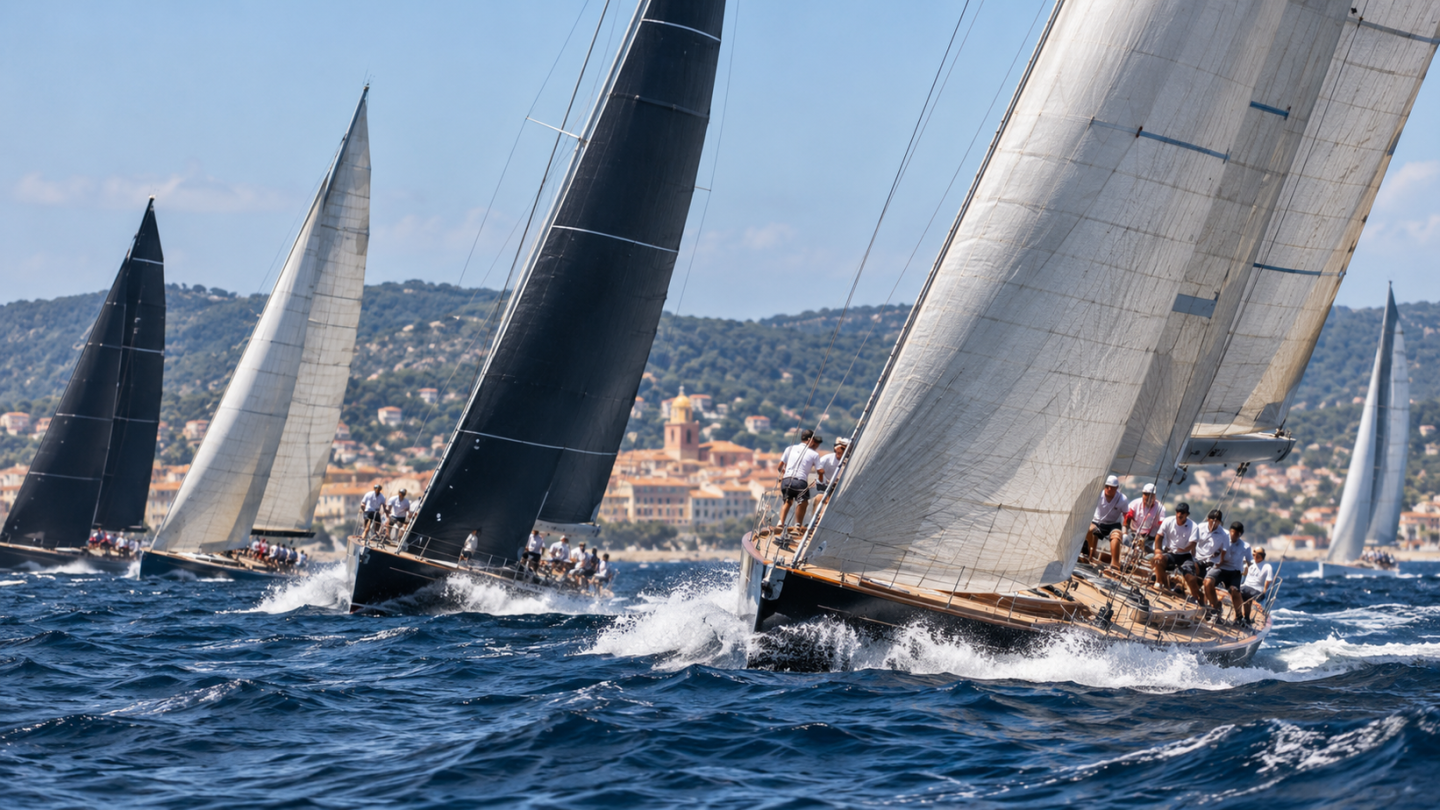
Voiles de Saint-Tropez is moving into its decisive stretch, with some 250 yachts from the modern, classic and maxi classes. The racing runs until 4 October, and Friday and Saturday offer the last scoring chances before the prizes are handed out. The fleets have been split onto separate courses off Portalet and Pampelonne.
The modern yachts get under way from 11 o’clock, while the maxis and traditional classes start from noon. The programme also includes the Rolex Trophy for classic boats. Sharing the same stretch of water demands careful coordination from the race officials, since different speeds and starting procedures have to stay safely apart.
The event was first staged in 1999 and brings together historic boats that are several decades old with the latest maxi designs. That contrast is exactly what makes the closing days so complicated: each class has its own time calculation, tactical priorities and limits, even though everyone is reading the same wind.
Shifting wind raises the stakes of every start
Light and shifting breeze close to the shore can open a large gap within the first few minutes. A crew that gets the wrong side of the start line has to sail through disturbed air left by other yachts. That is why tacticians compare the pressure on the water, the angle of the waves and the time needed to reach the first mark before the gun goes.
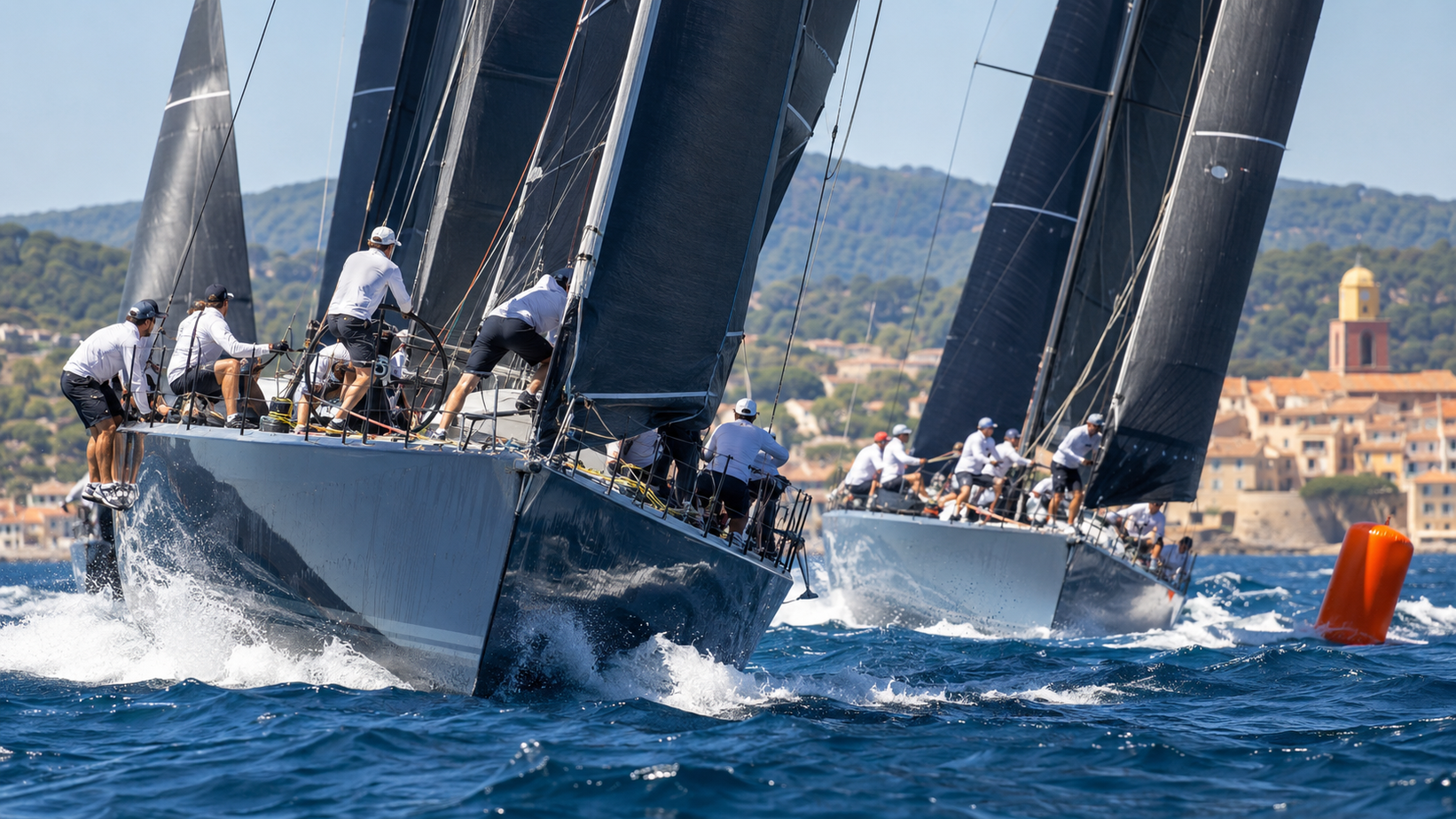
Maxi yachts carry great speed, but they need more room to manoeuvre. A late decision when rounding a mark can cost several lengths and raise the risk of contact. Communication between the helm, the tactician and the foredeck crew has to be brief and agreed in advance.
The classic boats face a different challenge. Older hulls and equipment call for gentler changes in load, particularly when a gust arrives. A crew cannot push for a few extra seconds at the price of damage to a mast or sail, so judging the limit is part of the sporting result as well as the preservation of the boat.
The final weekend rewards consistency across the series
Corrected time means the first yacht across the line does not automatically win its class. Crews therefore watch not only their immediate rival but also the time gap they need to close. Sometimes the right call is to protect an existing margin, and sometimes it is to attack on the other side of the fleet.
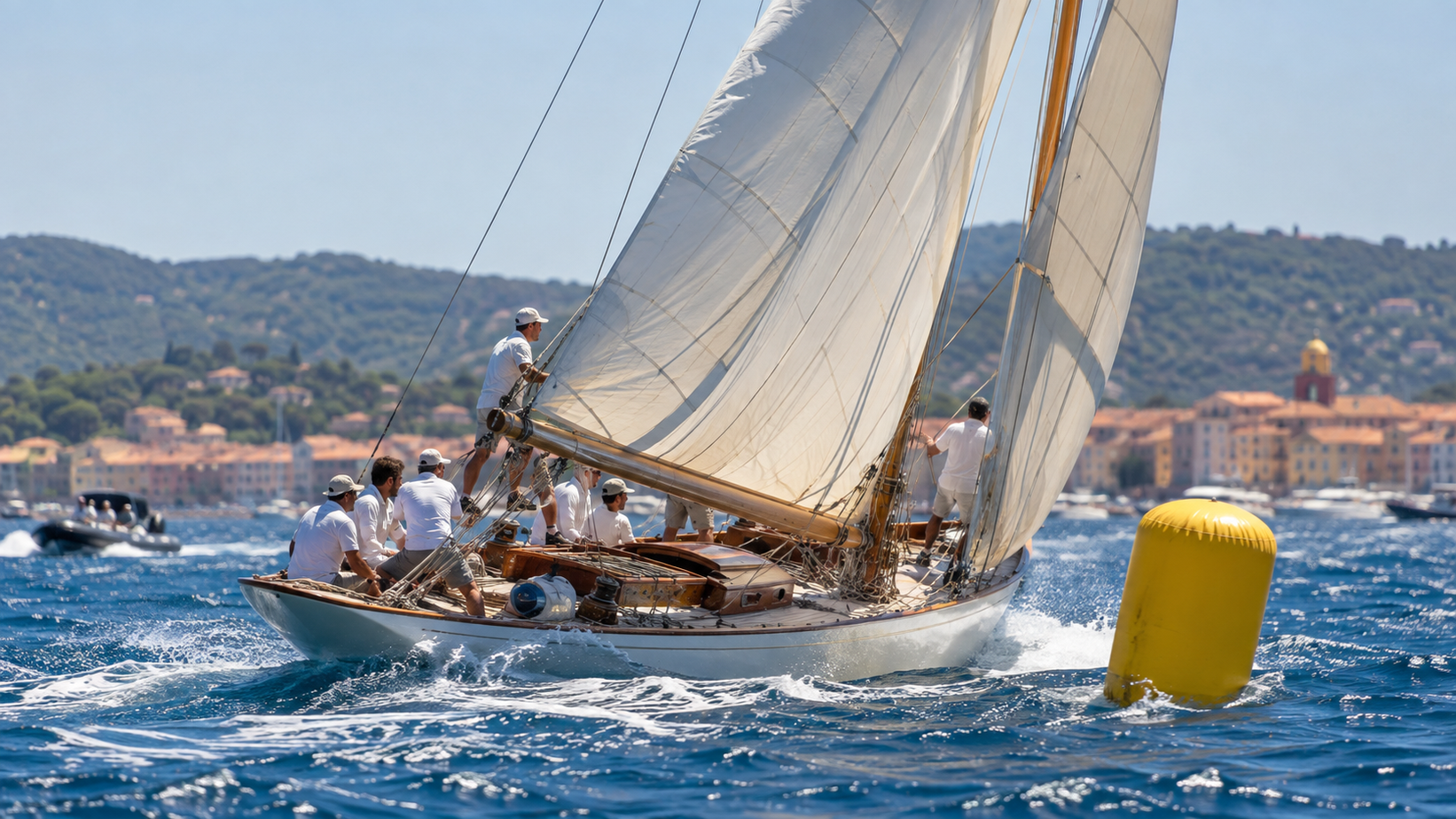
The Rolex Trophy adds further pressure in the traditional fleet. A single poor race can reshuffle the overall placings, yet an overly aggressive start brings a penalty and can wreck an entire day. The most experienced crews will look for a clean line and steady speed, even when that does not look spectacular from the shore.
The closing weekend will therefore reward consistency more than one brilliant manoeuvre. Teams that avoided major errors during the week arrive with the ability to control their rivals. In Saint-Tropez the beauty of the fleet draws the eye, but the trophies are still decided by preparation, communication and an accurate reading of the wind.
After each day the crews will compare their actual route with the forecast and check where they lost height or speed. Instrument data only makes sense when it is linked to the feel of the helm and the trimmer. A single figure cannot explain a wave or the bad air behind a rival. The best crews use the analysis to confirm a decision and then enter the next race with a simple plan that every member can apply quickly. The next outing or the official result will show how well this conclusion holds under fresh pressure. The figures should be read together with the quality of the opposition, the conditions and the decisions taken at the key moments. It is important to separate the immediate result from the longer trend: one success confirms good preparation, but only repetition shows stability. The coaching staff should therefore track a few clear indicators, compare them with the previous outing and change only what has proven to be a weak point. That approach protects confidence while still leaving room for progress. The reaction of direct rivals will also matter, because preparation changes as soon as an opponent recognises a winning pattern. For that reason the analysis should also cover situations where the original plan did not work. Peak performance comes when a team or athlete keeps its core strength and makes a small, timely adjustment during the event.