
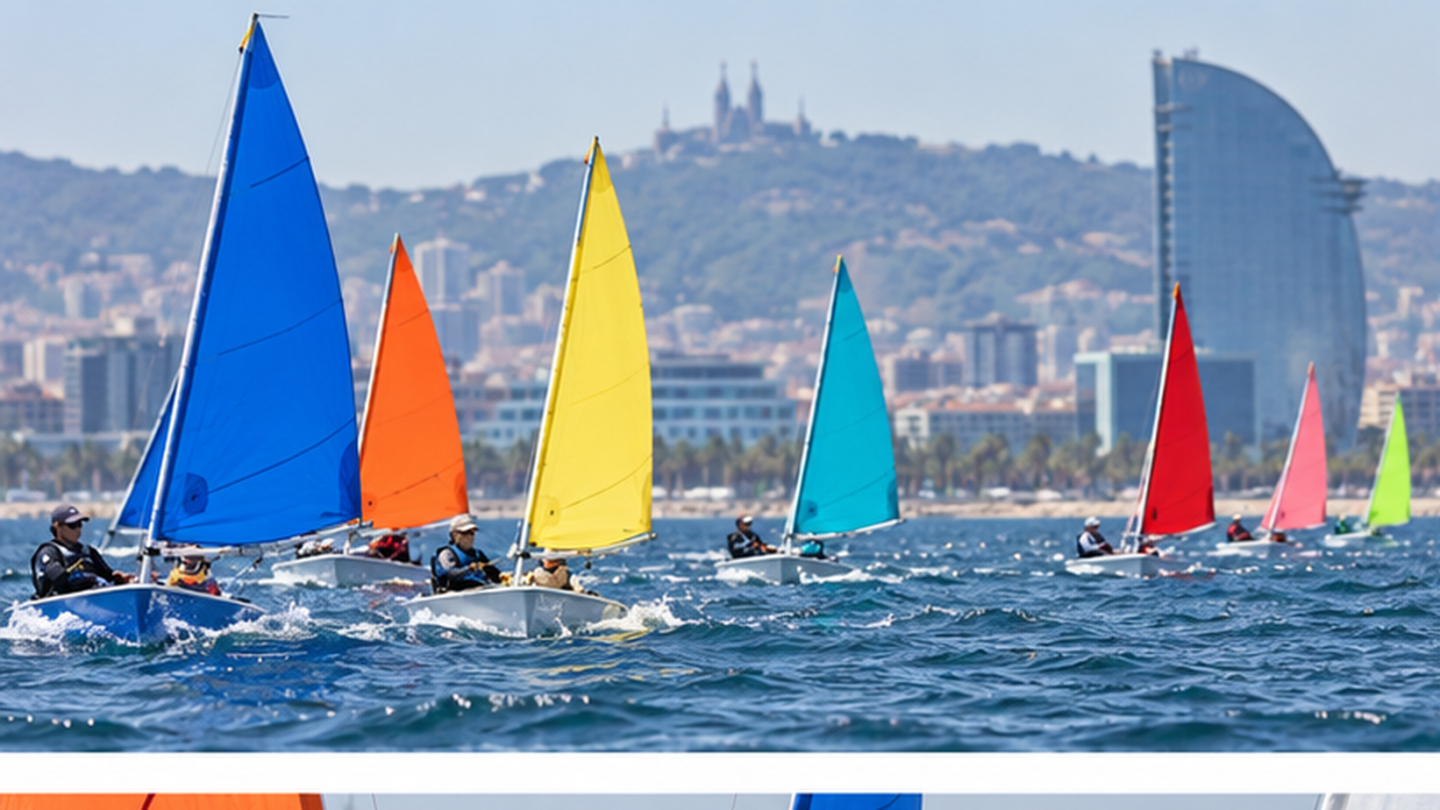
Barcelona is hosting the European Championship in the Hansa sailing class, which brings together competitors from several countries and different categories at the international centre. The class is known for a boat design that makes sailing open to a wide range of people, including athletes with disabilities, yet results still hinge on the same core skills: reading the wind, timing the start precisely, choosing the right side of the course and executing manoeuvres calmly. The championship therefore combines inclusivity with full competitive demands.
The Barcelona waters can offer shifting breeze and a chop that punishes a late decision. In smaller boats, the gap in speed often comes from a string of small moves rather than one spectacular manoeuvre. Sailors must track shifts in wind direction, the positions of rivals and the distance to the mark, all while keeping a clean line. A multi-race European championship rewards consistency above all, since one weak result can only be recovered through steady performances across the rest of the programme.
Why the Hansa class stands out
The design of Hansa boats lowers the physical barriers to entering the sport, but it does not simplify the tactical contest. Competitors rely on a feel for the tiller, correct sail trim and quick recognition of changes on the water. This allows athletes with very different physical abilities to share the same racing environment and be judged on skill. Such a model matters beyond a single championship, because it shows clubs how affordable equipment can widen the base without lowering the sporting standard.
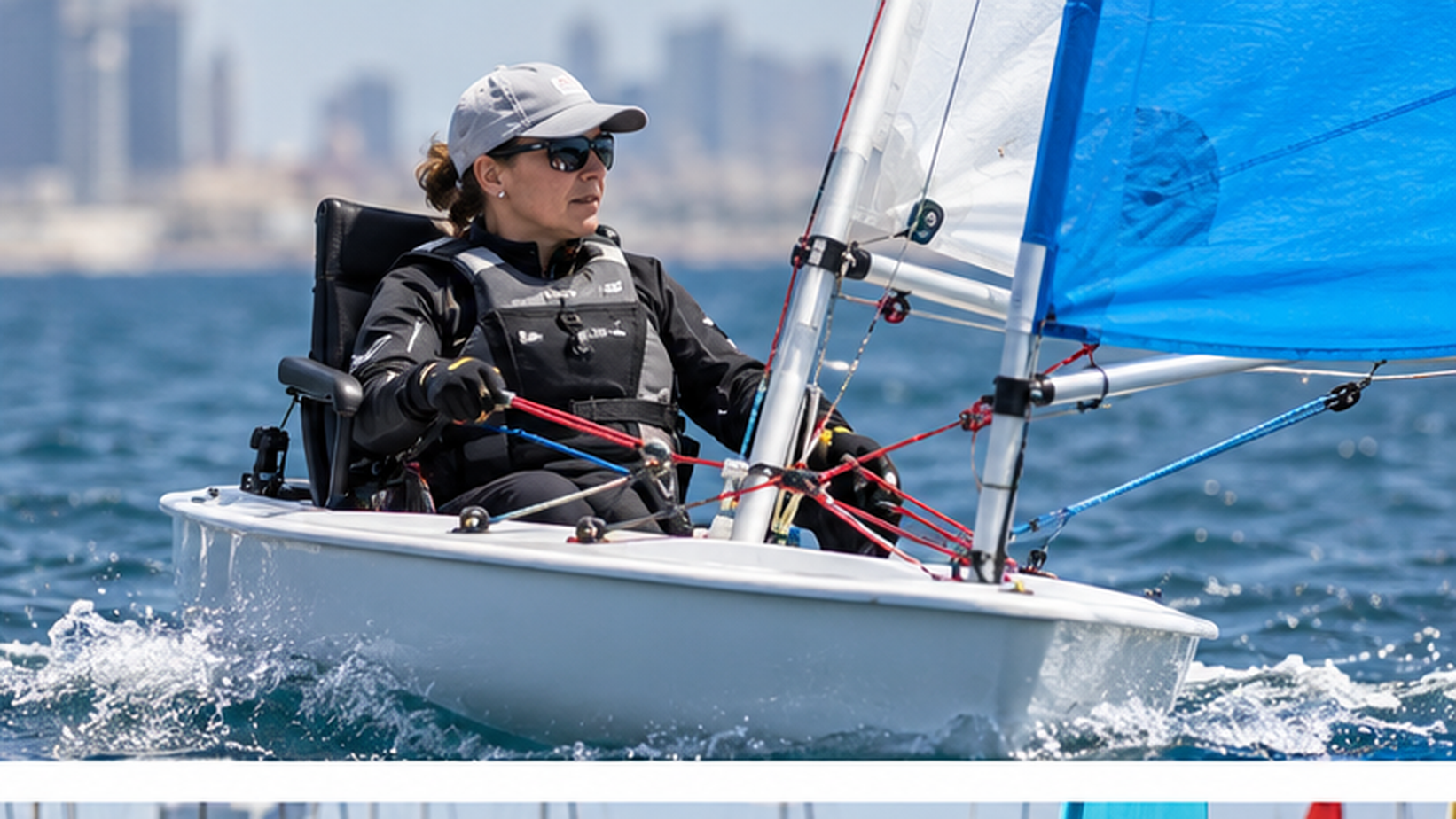
Organisation ashore is just as important as the race officials on the water. Accessible pontoons, safe boarding, support teams and a clear schedule allow energy to be saved for racing. Barcelona has experience with major sailing events and infrastructure that makes international arrival straightforward. Still, the final quality of the championship depends on everyday precision: timely notices, safety procedures and the race committee’s ability to set a fair course.
A race series demands patience
The winner will not necessarily stand out with the first finish. In multi-day sailing, average placings, avoiding penalties and turning a poor start into an acceptable result all matter. Taking too much risk on the start line can gain an advantage, but an early start can wreck an entire day. The most experienced sailors therefore pick their moments to attack and accept a smaller gain when conditions offer no safe opportunity.
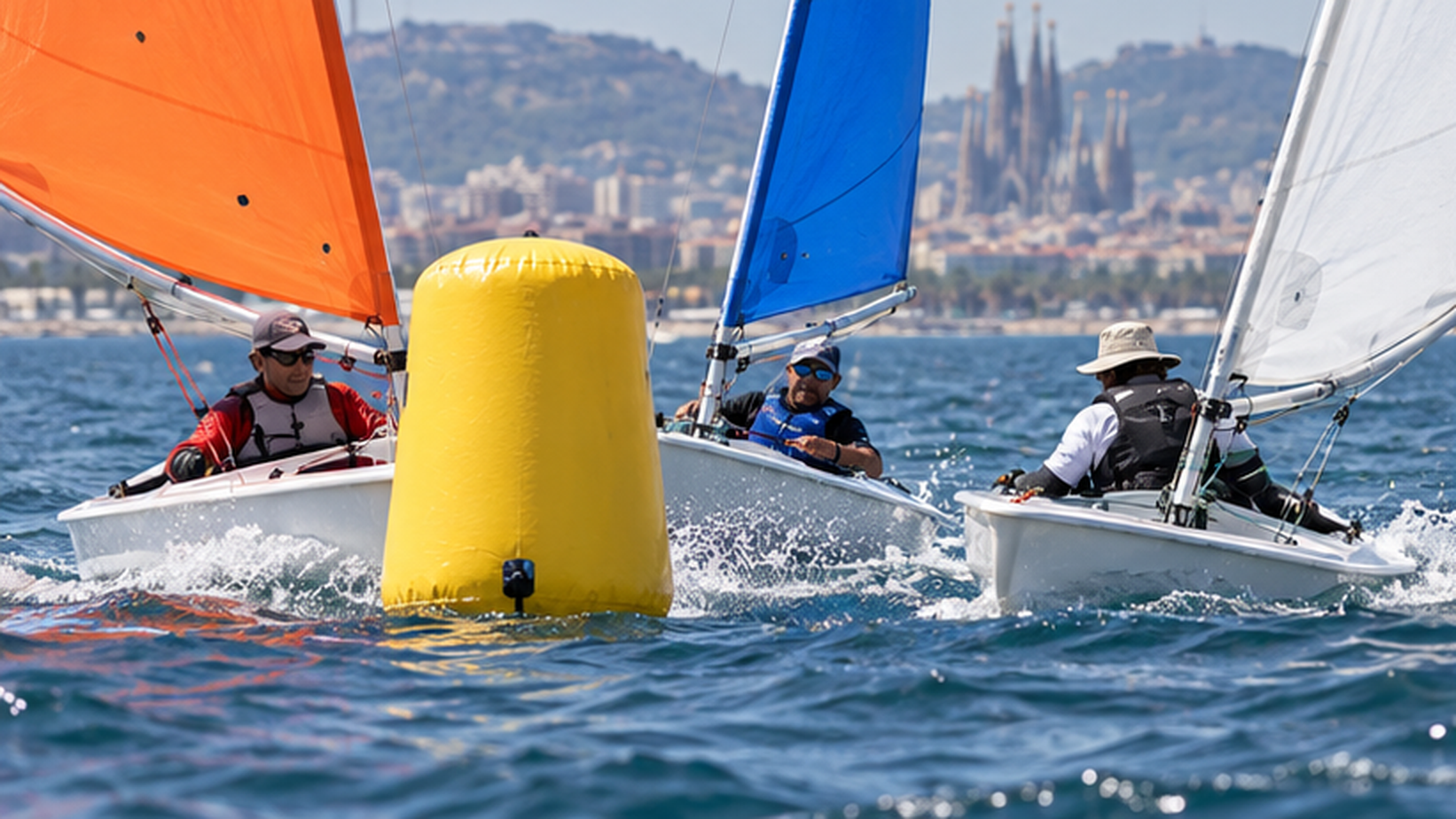
The Barcelona championship carries a double value: it decides the best European crews and shows how sailing can become more open without losing competitive seriousness. Individual race results will matter, but the broader picture will include the number of countries taking part, the quality of the organisation and the experience of the athletes. If the wind allows a full programme, the champion will need to prove their speed across several different scenarios, from a clean start to recovery after a difficult first leg.
For younger competitors, the championship is a chance to learn how a major regatta differs from a domestic event. The language of instructions, protest procedures and longer waits for wind all demand extra independence. A coach cannot make decisions on the sailor’s behalf once the starting sequence begins. Preparation therefore rests on understanding the rules, drinking enough fluids and keeping a routine between races. A sailor who manages the day well often keeps their concentration for the final race, when fatigue is already affecting the rest of the fleet.
Classifications in the Hansa programme can cover different boat models and handling arrangements, so results should be read within the correct discipline. A faster overall passage is not always directly comparable if equipment and format differ. Organisers therefore publish separate lists and clear scoring rules. For spectators, it is useful to follow the changes in placings across the series, because a champion often stands out through the ability to avoid large point losses in a bad race, rather than through the number of individual wins alone.