
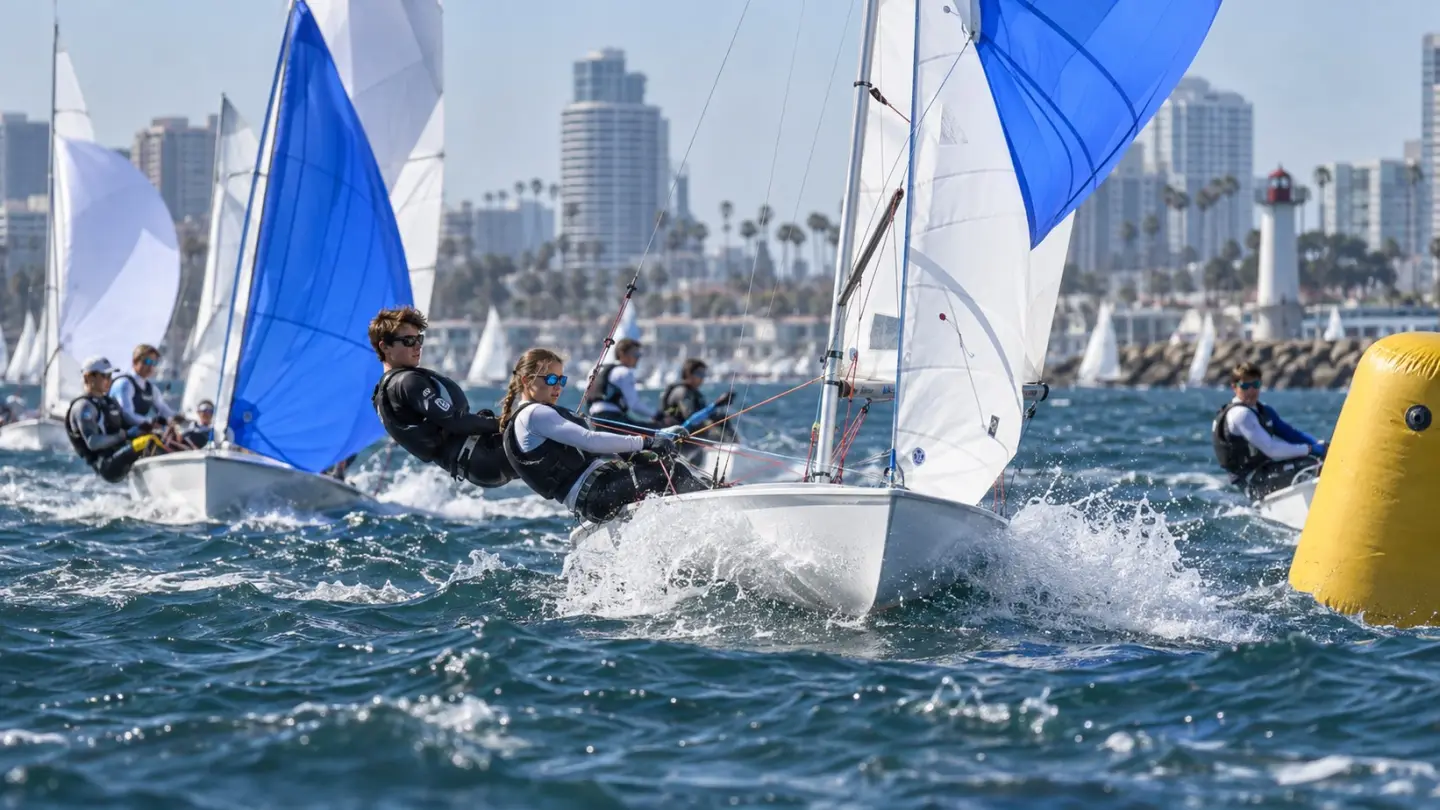
The US Youth Sailing Championship got under way on 9. oktobra at the Alamitos Bay Yacht Club in Long Beach and runs until 12. oktobra. A total of 148 boats have entered, with the programme covering seven fast classes. The key point comes first: what happened, when it happened and why it matters. The practical consequence can be assessed after that, but with a clear line between the data available and the assumptions made. This approach keeps the report accurate and lets the story be updated later without changing its core meaning. For that reason, the next official update should confirm the consequence now flagged as central.
The first warning signal is due at 13 časova on the opening day, while on the final day no new start can be made after 15 časova. Such a schedule means crews have to find a working routine straight away, rather than waiting for a later return. The wider context shows that one striking moment is not enough to judge the whole event. A sound plan remains recognisable even when a rival responds, the pace drops or conditions change. It is therefore more useful to follow a sequence of connected decisions than to single out the final move that stayed in the result. That reading gives readers a basis for understanding both the outcome and the decisions that led to it.
Seven classes need different answers to the same wind
Each class turns wind into speed in its own way, but the basic task stays the same: a good start, a clean line and early recognition of the stronger side of the fleet. In a crowd, clear air is often worth more than the shortest route. Tactical value comes from order, not from the number of ideas. A competitor must first secure position and control, then attack the space that has genuinely opened up. The coaching team sets the signal for a change in advance, so one mistake does not set off a chain of improvisation and pull a crew or sailor away from their main advantage. Execution is then judged by the clarity of the decision, the speed of the reaction and the quality of position after the attempt.
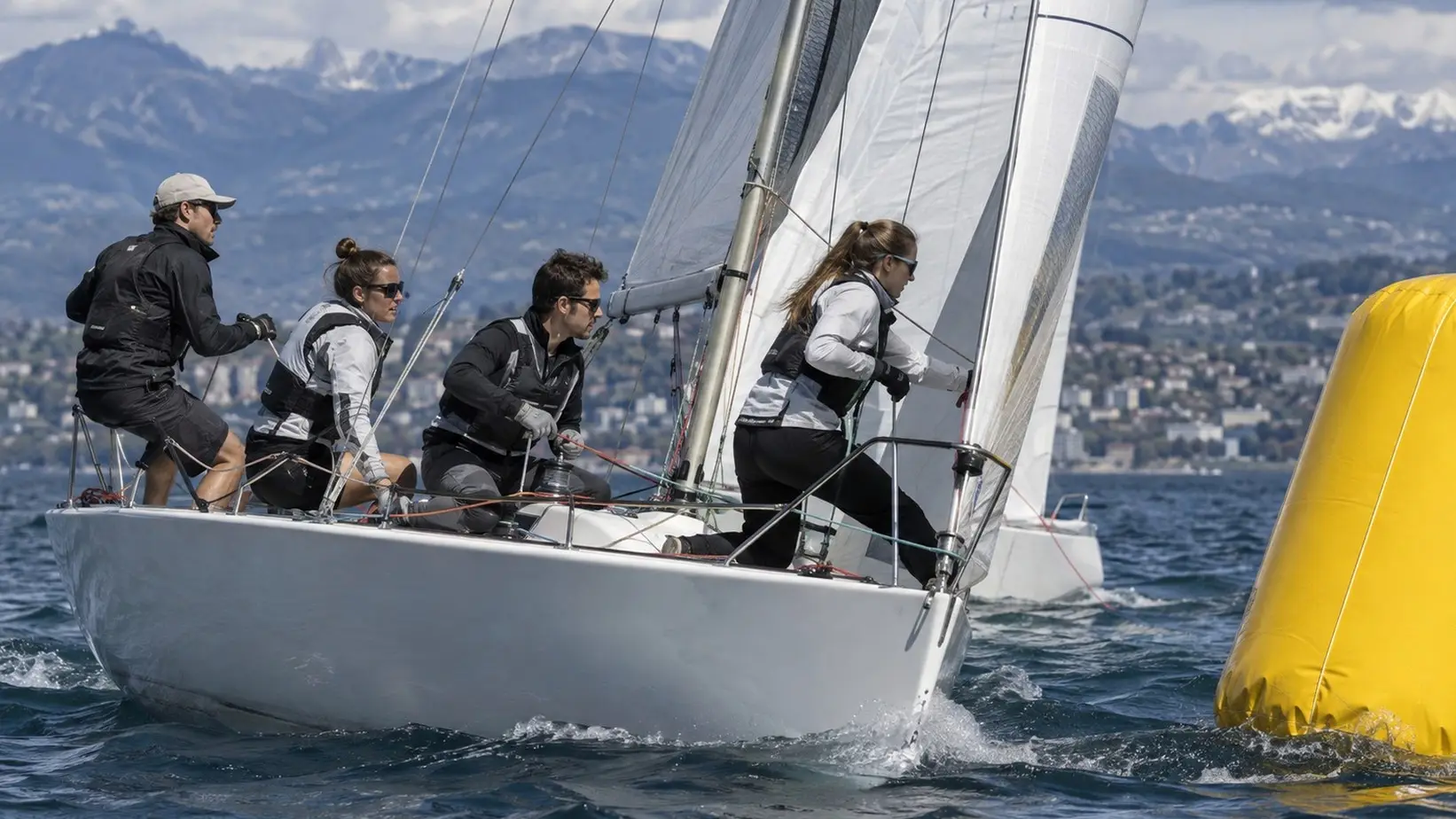
Young competitors often try to make up for a poor start with one extreme heading. That widens the gap if the shift does not arrive, so the decision has to rest on a series of signals from the water rather than on hope. Risk management determines how long a plan can survive. A neutral outcome sometimes protects position, energy or possession for a better chance, whereas forcing the issue without preparation opens the door to a counter. The balance between gain and danger changes with time and with the scoreboard, so the same decision is not equally good at the start and in the closing stages. The true measure of discipline will be how often a danger is spotted before it becomes a loss.
Four days reward consistency over a single win
Attention should go to average placing, the number of penalties at the start, movement in position between the first and last mark, and the discard of the worst result under the rules. One win does not guarantee a place at the top of the series. These figures make it possible to test the conclusions drawn after the event. The final score shows the outcome, but only a comparison period by period reveals where an advantage was created and whether it can be repeated. It is especially useful to separate the opening plan from decisions made under fatigue, since that shows how stable the technique and the preparation really are. If the values are read in order, it will be clear whether a change was planned, temporary or accidental.
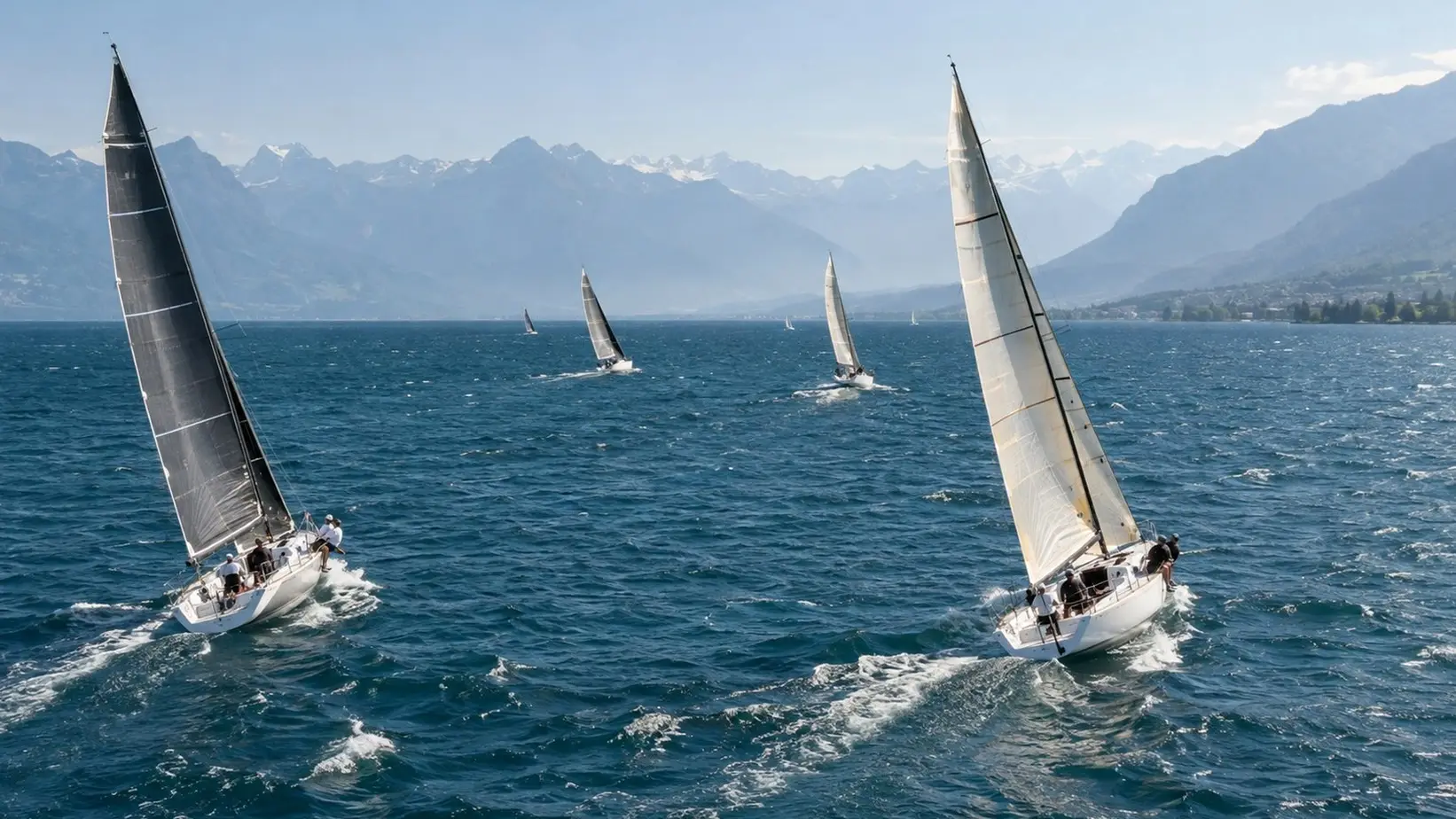
The championship is a central American youth regatta and directly links domestic development with high-performance classes. Coaches get to compare sailors from different regions in the same conditions. Its significance does not end with the last point or decision. A good showing opens a new opportunity, but consistency is what confirms the change can last. A weaker result can still be useful if it produces two or three precise tasks. A broad overhaul of everything usually hides the real cause and makes the next check harder. That follow-up gives the current story lasting value and connects the immediate outcome with the next realistic goal.
The best crew will be the one that learns quickly between races and limits the damage of a bad day. Across a four-day series, a calm decision after a poor start is worth more than a spectacular risk that pays off only once. The conclusion therefore has to stay tied to the evidence currently available. The best next test uses the same checkpoints in different conditions, so it becomes clear what belongs to quality and what to circumstances. Repeating a good pattern against a new challenge gives the assessment more weight than a single striking move. That is precisely why the final judgement should be updated only when a new comparable result comes from the official event.