
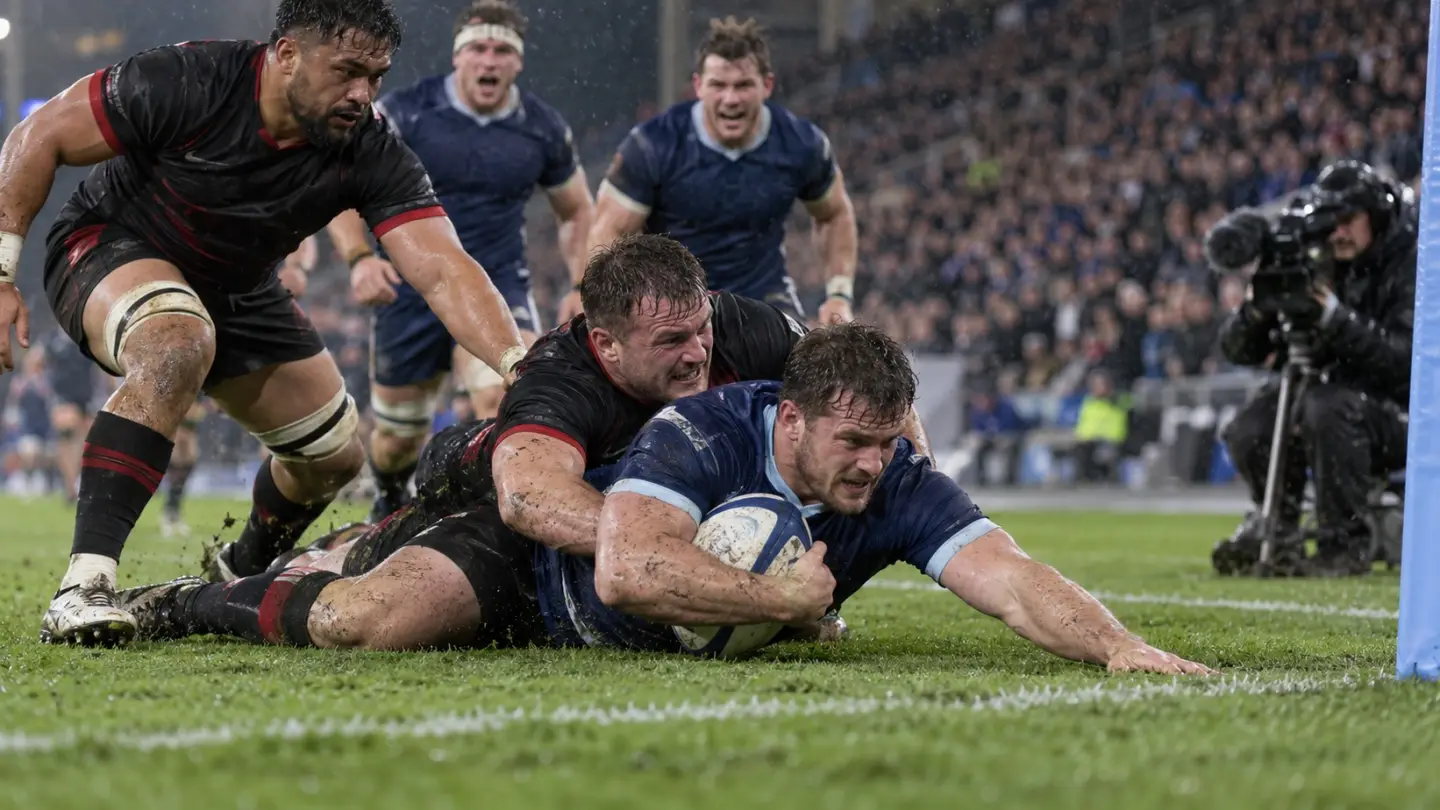
Sale Sharks beat Saracens 21-17 at the StoneX Stadium despite Jack Vermeulen being sent off in the first half. Tom O’Flaherty scored a decisive solo try early in the second period, while Nathan Gibuluh and Ben Bamber also crossed the whiteline. Saracens scored three tries but converted only one, so they could not make the most of the spells when they had the numerical advantage.
Vermeulen received a twenty-minute red card for a dangerous tackle on Thomas Williams. Sale already had Alex Lozowski on the sin bin for a high contact earlier. Two cards in a short space of time could have changed the match entirely, but the visitors slowed the hosts’ possession and stopped Saracens from moving the ball quickly into open space.
Gibuluh opened the scoring from a driving maul and showed how secure Sale were close to the line. Saracens replied with a try from Ernst Mavi, but they did not turn their numerical advantage into a longer period of sustained pressure. The problem was not only the final pass. The ball reached the outside channels too slowly, which gave the visiting defence time to shift across and close the width.
O’Flaherty’s solo try turned the match
O’Flaherty made the biggest individual play straight after the interval. He spotted the poor angle of the first defender, accelerated through the gap and finished the move without needing another phase. A try like that punishes a moment of disorganisation. Saracens came out of the dressing room without enough connection between their inside and outside defenders, and Sale’s winger did not hesitate.

The hosts stayed in the match through Sione Va’enuku and Jack Bracken, but they did not build a stable enough pressure. Every lost contact or slow ruck allowed Sale to set a new line. When the opponent has a player fewer, the attack must move the ball faster than the defence can cover the gap. Saracens too often attacked straight into the most congested part of the pitch.
Sale had to respond after losing their opening match to Bristol, and a win in a difficult away fixture gives them far more than four points. The side kept its game plan intact even when discipline at the contact area was not good enough. Coaches will not overlook two dangerous tackles, because similar sanctions against a more clinical opponent would probably not pass without bigger consequences.
Sale survived the spell of numerical weakness through discipline
George Ford converted two tries and Alex Lozowski added another, so the visitors reached 21 points from three tries. Accuracy off the tee proved decisive. Saracens took only 17 points from their three tries. In a tight match the gap between a converted and a missed kick changes the final attack and the decision whether to go for a penalty to tie or a try to win.
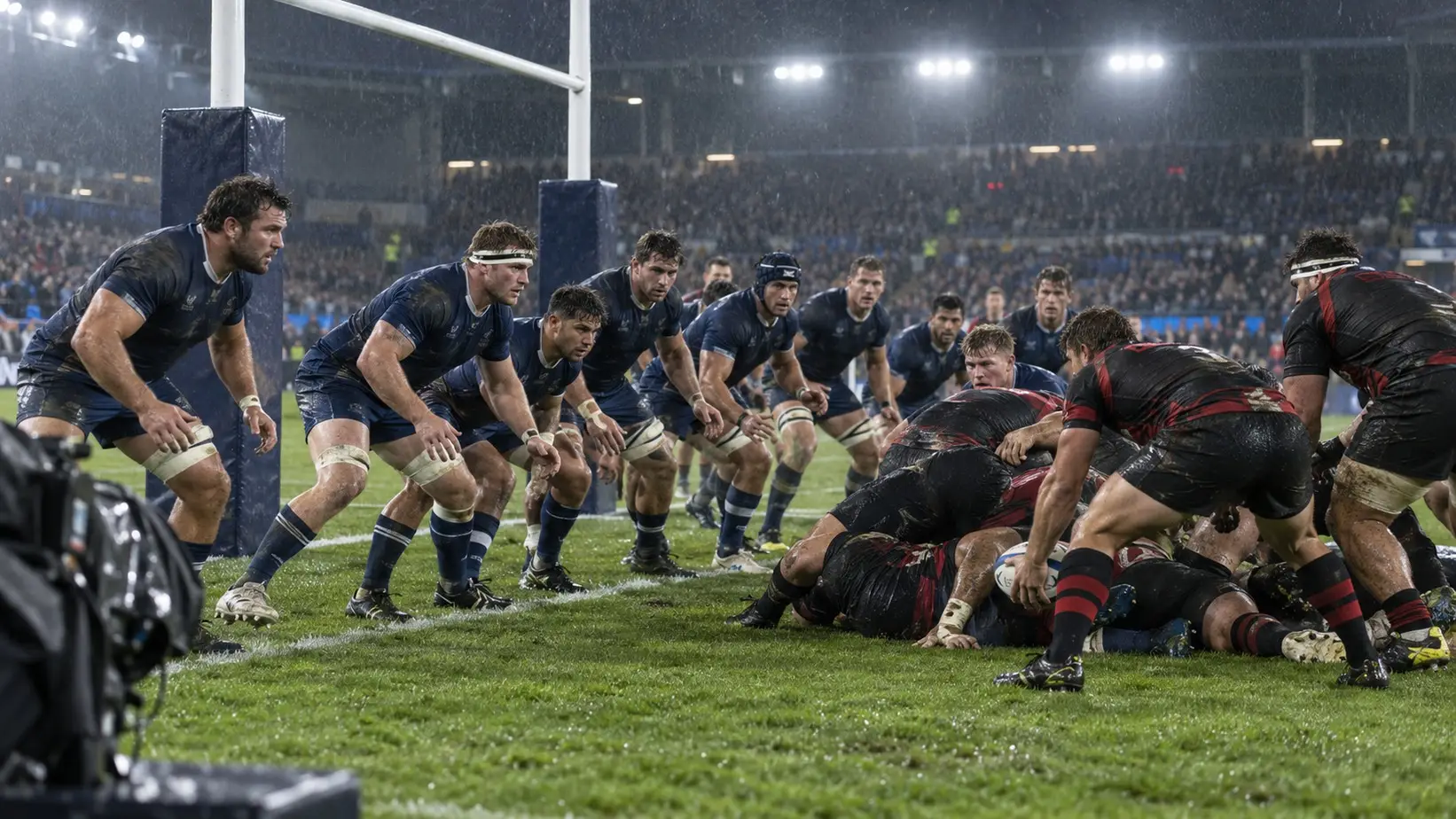
Sale from Greater Manchester have shown they can win a match through defence and composure under pressure, but they must reduce the number of cards. Saracens have the opposite task: the speed of the ball must match their numerical advantage. The 21-17 scoreline was not the result of one chance play. O’Flaherty’s try, the work of the maul and accurate kicking built a lead that the visitors protected until the end.
To judge this result fully, the reaction in the next round will matter. One match can reveal a good plan, but only repetition shows whether a side has a stable pattern. Coaches will watch closely the start of the match, the quality of decisions after losing possession and the ability of the bench to keep the same intensity when the starters leave the field.
The statistics should be read alongside the flow of the game. The final score does not always show how often a side reached a quality finish, or how often the opponent was forced into a difficult attempt. The footage will therefore be important for counting clean chances, turnovers under pressure and situations in which good communication prevented a bigger threat.
The long-term value comes when the lesson from this match carries over to a different opponent. The next rival may not offer the same space or the same rhythm, so the principles must be kept while the details are adjusted. A side that can adapt its pressure, width and tempo without losing basic discipline usually turns one strong result into a reliable run.