
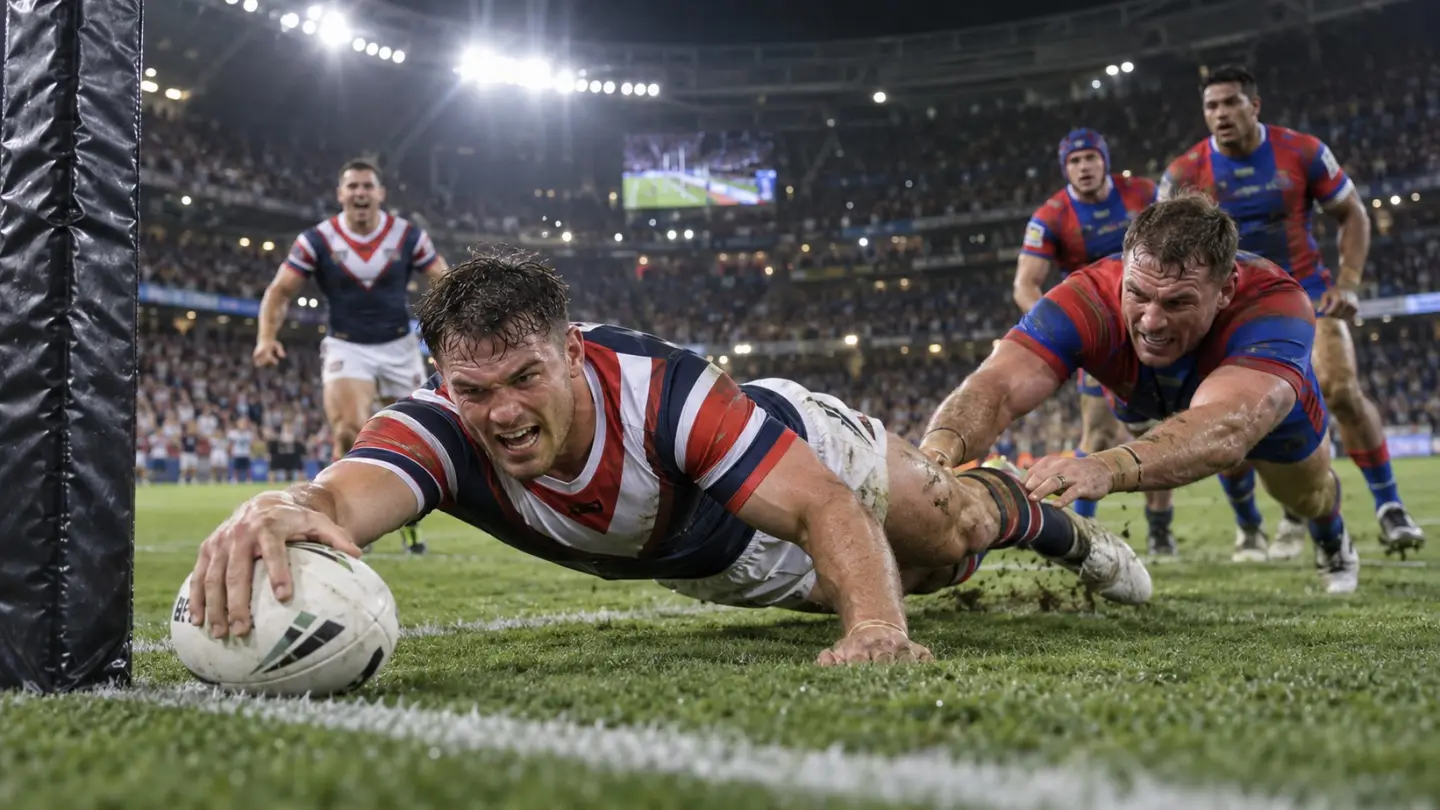
The Sydney Roosters won the NRL title with a 19:18 victory over the Newcastle Knights in the final, played before 80.814 spectators at Accor Stadium. Newcastle led 12:0, but Sydney fought back and took control. James Tedesco earned the Clive Churchill Medal after running for 385 metres, while Mark Nawaqanitawase scored two tries.
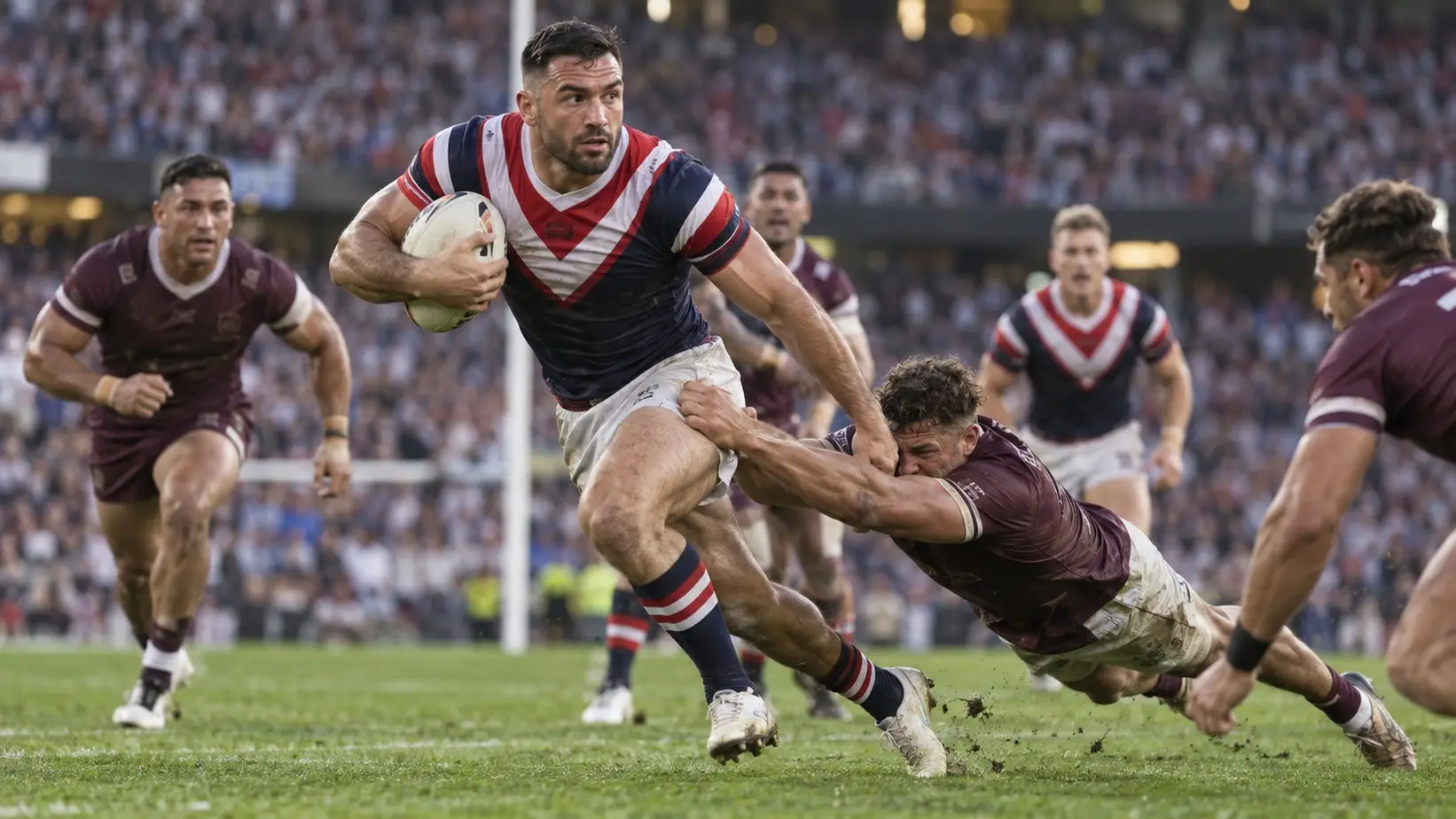
The Knights started the match better and used the energy of their early attacks to build a double-digit lead. The Roosters did not respond with panicked passes. Instead, they kept gaining ground through the middle. Tedesco kept moving the ball at speed and helped his side start the next set further from their own try line, so the pressure gradually switched sides.
Nawaqanitawase’s two tries gave the comeback its finish, but both came from work across the whole backline. When the Roosters drew the defence infield, the ball reached the edge faster. The winger found space to attack, while the Knights had to make decisions on the move and could no longer simply protect their early lead.
Tedesco’s 385 metres carried the Roosters’ comeback
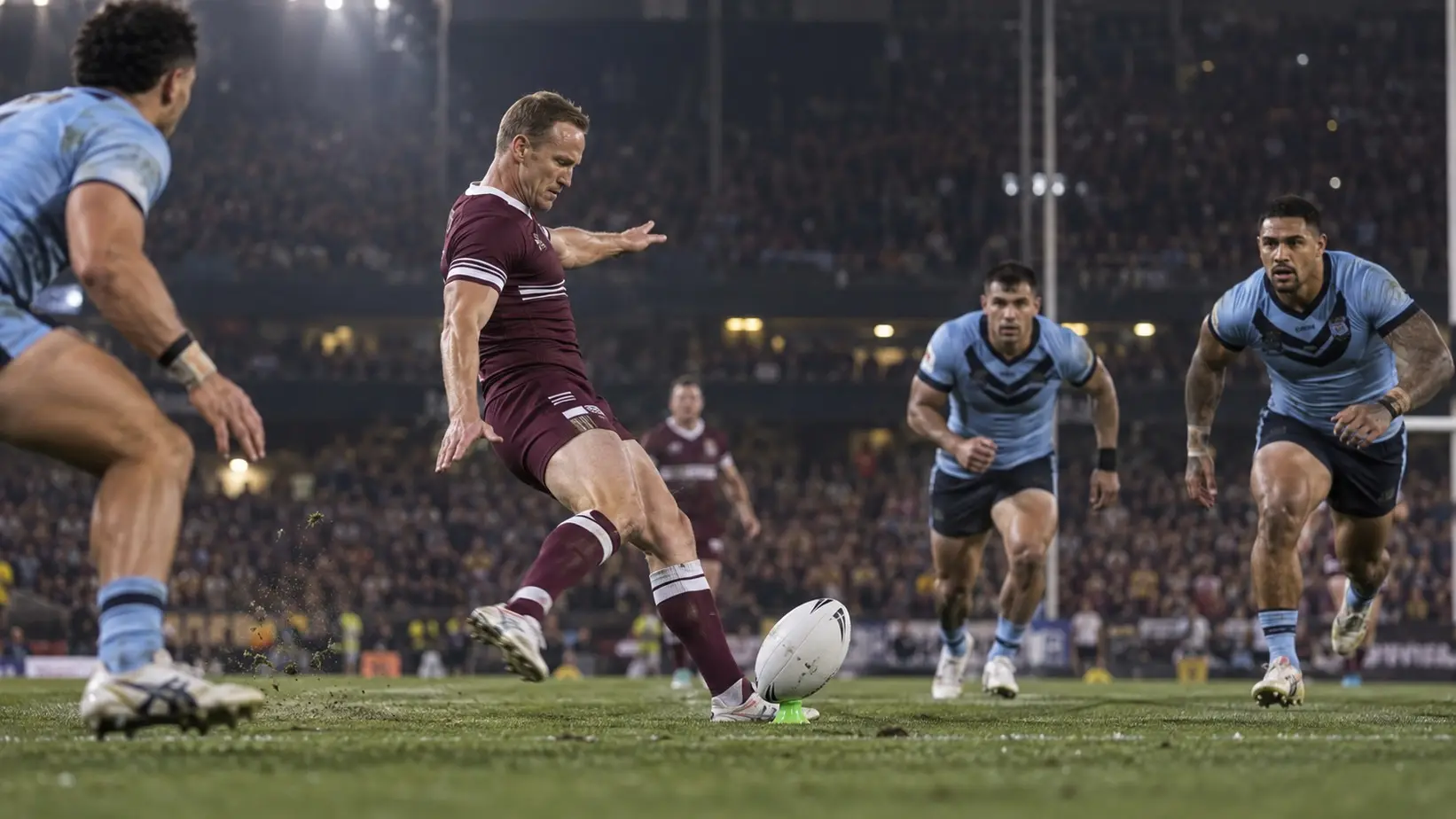
Dylan Walker-Evans kicked a field goal in the 70th minute to push the margin to seven points. In his final NRL match, he chose a moment when his side had a stable position and enough time to prepare the kick. That single point proved decisive when Greg Marzhew scored a late try to bring Newcastle back to a narrow deficit.
The Knights turned the closing stages into an attack for the title, but they could not find another scoring chance. Their journey from last place in 2025 to the grand final remains a huge step forward, even though the result is painful. The team showed it could respond after a turnaround by its rival, but the middle part of the match gave the Roosters too much possession and territory.
Sydney won their first title since 2019, and Walker-Evans his second in his career, fifteen years after his success with Manly. Experience in decisive moments showed in the choice to attempt the field goal and in the management of the final sets. The Roosters did not try to turn every action into a try. Instead, they protected their position and forced Newcastle to start from deep.
Walker-Evans’s field goal became the difference for the title
Tedesco’s 385 metres need to be read in terms of how he received the ball, not only his physical fitness. His teammates gave him a fast first step and support after contact, so he often gained metres before the defence was fully set. That kind of performance changes the whole flow, because the opponent spends energy on getting back and starts its attacks from a worse position.
Newcastle can build on the season, but they need better control when a rival wins several sets in a row. One precise kick into space or a safer exit could have slowed Sydney down. In a final it is not enough just to defend a lead. A team must occasionally push play into the opponent’s half and reduce the number of defensive sets it has to repeat.
The 19:18 result shows how much every detail mattered, from the Knights’ early advantage to the late field goal. The Roosters won the title because after going 0:12 down they stayed faithful to the core plan and turned possession into territory. When Newcastle fought back with a late try, Sydney had the single point they had secured earlier through an experienced decision.
For a full assessment it is worth tracking Tedesco’s output after contact, the territory gained through kicking and the Roosters’ success in the sets after conceding a try. That data will show whether the result came from a pattern that can be repeated or from a few exceptional moments. The final score describes the outcome, but it does not reveal how stable the plan was when the balance of power shifted and when the opponent tried a different solution.
The immediate task for Sydney will be to keep the core of their championship plan, while Newcastle turn their big step forward into a fresh push for the title. Success will depend on keeping the strongest part of the current performance and fixing the weakness identified without making major changes. That approach links this result to the next challenge clearly, rather than treating each performance as a separate story with no measurable follow-up.