
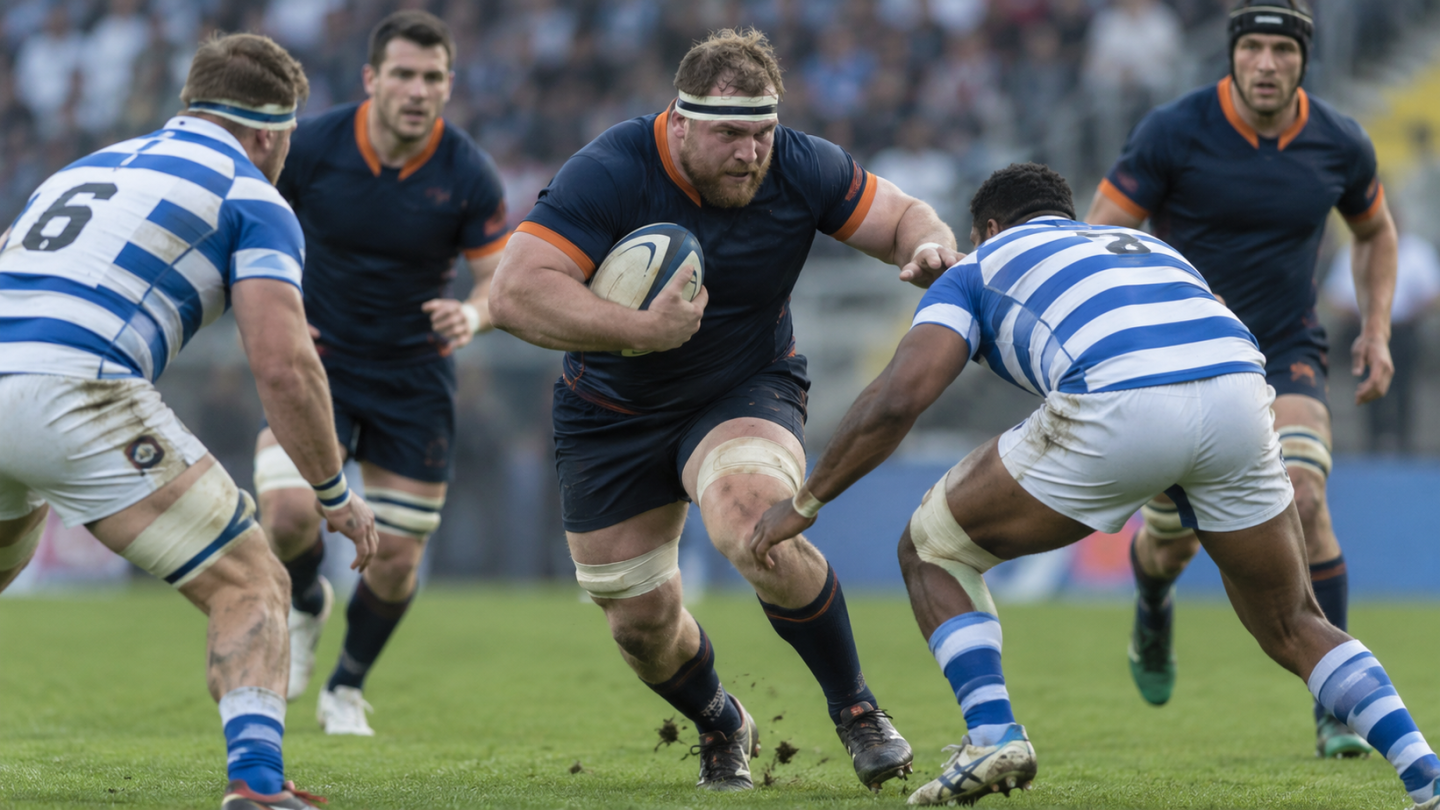
Pierre Schoeman returns to the Edinburgh squad for the club’s first home match of the season against the Stormers in round two of the United Rugby Championship. The Springbok prop and member of the British and Irish Lions missed the opener, so his return immediately changes the strength and options of the front row in the closed scrum.
Edinburgh go into the fixture after winning away at Ulster, where they collected all five points. The hosts want to confirm that result at the Hive Stadium, while the Stormers arrive with a physically powerful pack and a dangerous attack built on quickly delivered ball. Kick-off is set for Friday at 19.45 local time.
Schoeman’s presence matters beyond the scrum alone. His work in short carries can draw two defenders and create better ball for the halfbacks. In defence he brings experience in protecting the space around the ruck, where the Stormers often look to accelerate through the next phase.
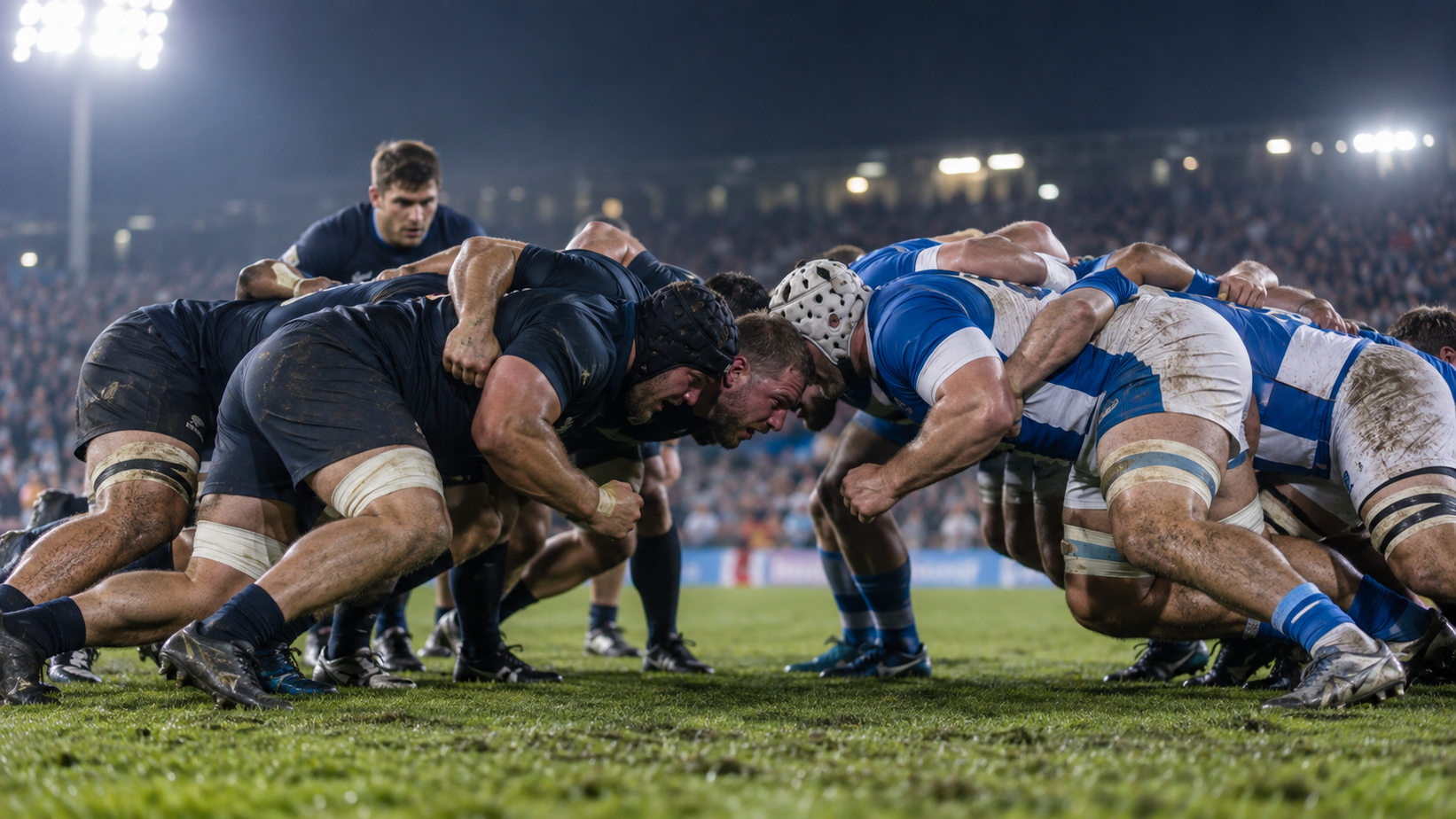
The front row gets a platform for the scrum and short game
The Stormers will likely test Schoeman’s match fitness early. Long scrums and repeated contact can show how quickly he has regained full rhythm. Edinburgh therefore need to manage his minutes wisely and have the reserve ready to come on before the quality of the front row drops.
In attack the hosts should not use the returning prop only as a straight-line carrier. A short dummy or a late pass behind him can open space out wide, because the defence naturally narrows its line around a strong frontrower. Variations like these protect his body and make the move harder to read.
The Stormers are most dangerous when they win the ball from an opponent’s error. Their wingers switch sides quickly, so a poor kick without an organised chase leaves a lot of space behind. Edinburgh must link their kicking game with a disciplined line and must not send a lone player into pressure without support.
Edinburgh must combine energy and discipline
The win over Ulster has given the squad confidence, but a home fixture brings different expectations. The crowd wants the initiative, which can easily lead to a risky pass in one’s own half. The best answer is controlled aggression: a quick attack when there is a numerical advantage and calm territorial play when the defence is compact.
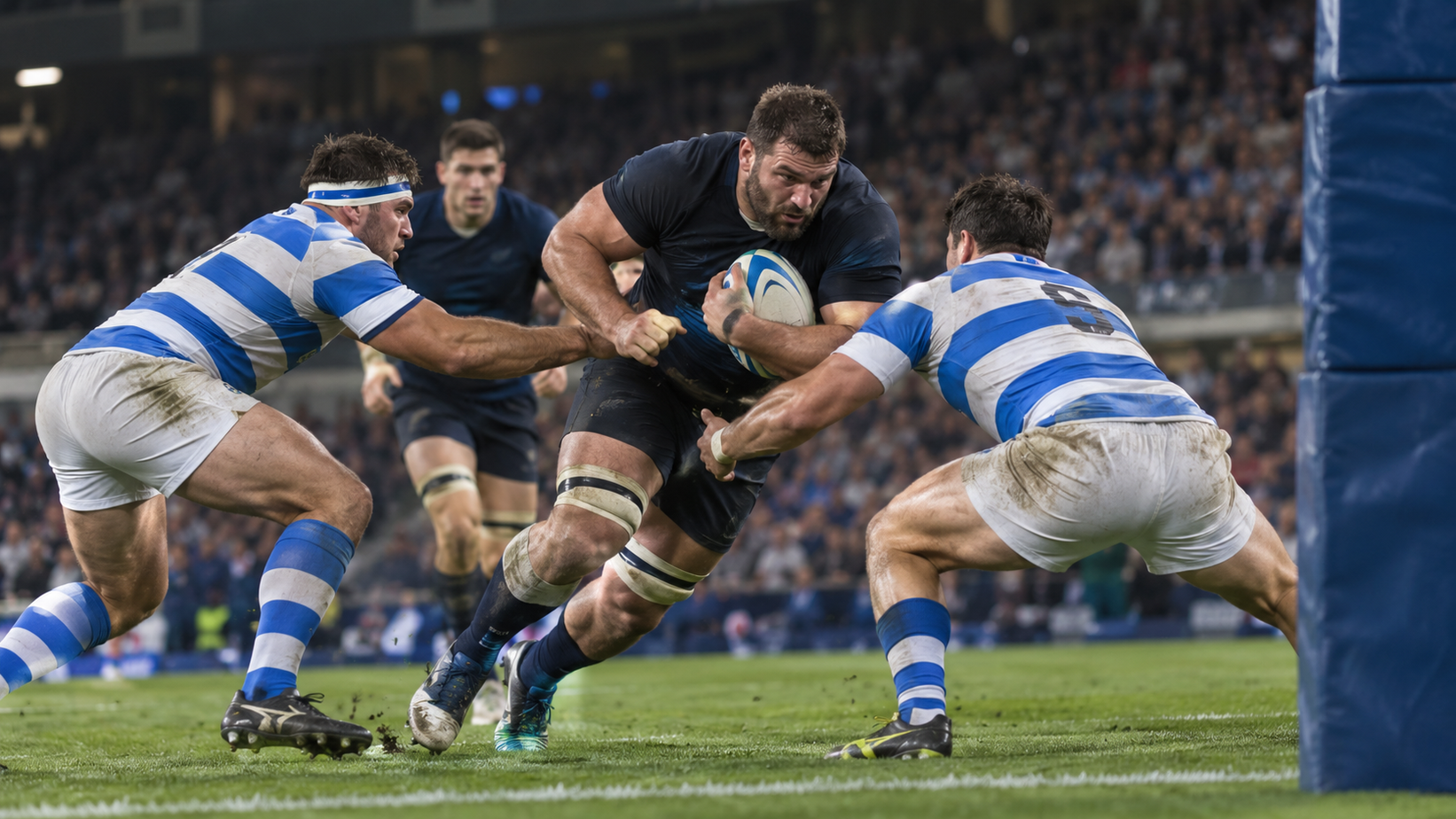
Discipline at the contact area will be especially important. The Stormers can turn a penalty into a lineout near the line and use the maul as a direct weapon. Edinburgh must come in on the correct side and avoid late tackles, because a few gifted penalties quickly cancel out good work in open play.
Schoeman’s return is therefore not just news about one player. It gives the coaching staff a steadier base for a plan that links the scrum, short carries and control of territory. If the rest of the team keeps the precision it showed in Belfast, Edinburgh can turn a good start to the season into a serious early run.
The first twenty minutes will give the best answer on the balance of power. Edinburgh should test the scrum without forcing things, win clean lineout ball and make the Stormers attack from deep. If the hosts hand over territory through early penalties, the return will spend a lot of energy. A steady start, with Schoeman controlling contact, would allow the backs to exploit the fatigue of the opposing defence later and look for space on the outside channels. The next outing or the official result will show how well this conclusion holds under new pressure. The numbers should be read together with the quality of the opponent, the conditions and the decisions made in key moments. It is important to separate the current result from the long-term trend: one win confirms good preparation, but only repetition shows stability. The coaching staff should therefore track a few clear indicators, compare them with the previous outing and change only what has proven to be a weak point. That approach protects confidence while still leaving room for improvement. The reaction of direct rivals will also matter, because preparation changes as soon as an opponent recognises a successful pattern. For that reason the analysis should also cover situations in which the original plan did not work. The best performance comes when a team or athlete keeps its core strength and makes a small, timely adjustment during the event.