
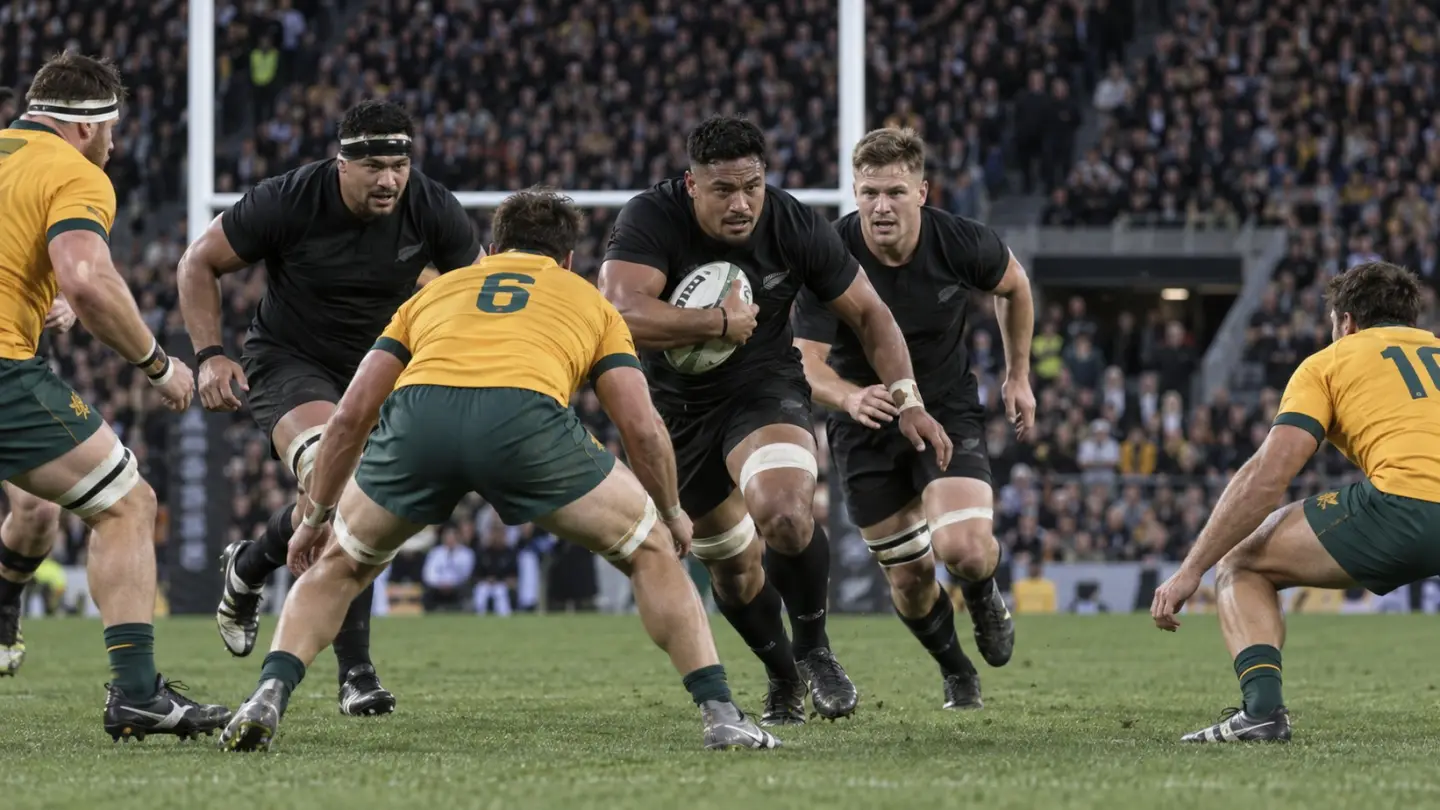
New Zealand and Australia meet on 10 October at Eden Park in Auckland in the first match of the 2026 Bledisloe Cup. The second Test is scheduled for 17 October in Sydney, which leaves both sides just one week to make adjustments. That fact sets the starting point for the analysis. Any further conclusions only make sense once it is clear what has been officially confirmed, what depends on the next outing, and which detail could change the picture first. The order matters: the event comes before the interpretation, and an expectation must not be presented as a finished result. For that reason, the next official update should confirm exactly the consequence now flagged as key.
Australia have not won at Eden Park in four decades, and the trophy has been waiting for 23 years. History adds pressure, but it does not settle today’s contest: starting position, kicking game and discipline will decide how close to the scoreboard the match is played. The wider context shows that one striking moment is not enough to judge a whole performance. A sound plan remains recognisable even when the opponent responds, the tempo drops or conditions change. It is therefore more useful to watch a chain of connected decisions than to single out the final action that stayed on the scoreboard. Reading the event that way gives the reader a basis for understanding both the result and the decisions that led to it.
Eden Park punishes every weak exit from its own half
The Wallabies must get out of their own half without giving away the ball five metres out, and after a good kick they need to close down the receiver quickly. The All Blacks will look for fast second-phase contact and a switch of side before the defence is fully set. The tactical value comes from sequence, not from the number of ideas. A side must first secure position and control, then attack the space that has genuinely opened. The coaching staff settles the signal for a change in advance, so that one error does not trigger a run of improvisation and pull the team away from its core advantage. Execution is then judged by the clarity of the decision, the speed of reaction and the quality of position after the attempt.
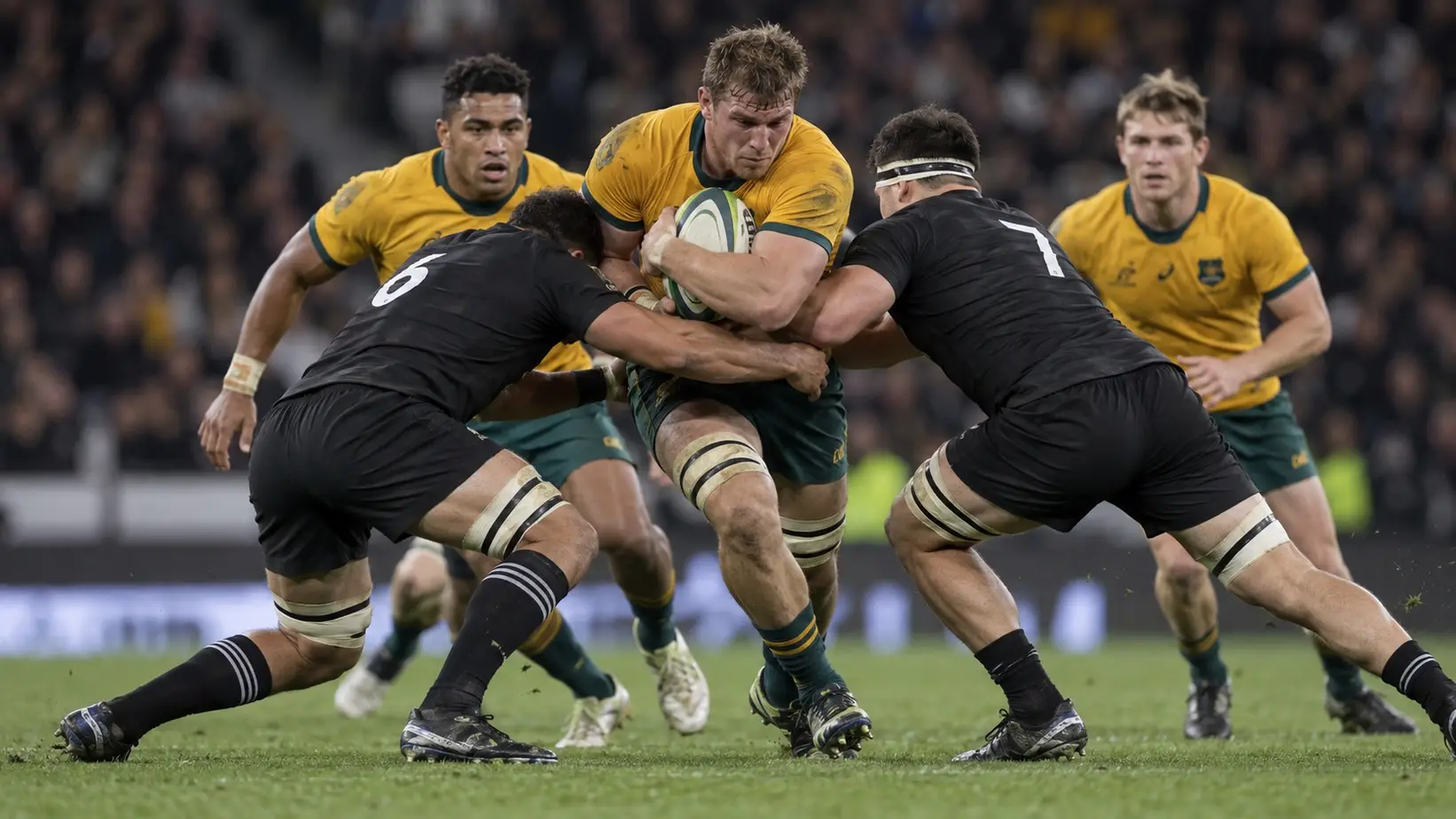
Australia cannot chase history with every possession, because a risky pass in their own half hands the hosts a short field. New Zealand, meanwhile, risk leaning too heavily on tradition and reacting late to pressure at the breakdown. Managing risk determines how long a plan can survive. A neutral outcome sometimes preserves position, energy or possession for a better chance, while forcing the play without preparation opens the door to a counter. The balance between gain and danger shifts with time and the scoreboard, so the same decision is not equally good at the start and in the closing stages. The true measure of discipline will be how many situations are recognised as dangerous before they become damage.
Two matches change the arithmetic of the series
Penalties conceded in one’s own half, metres gained after a kick, the speed of ball from the ruck and returns from entries into the 22 all matter. The number of possessions counts for less if a side keeps starting far from the try line. These figures allow the conclusion to be checked after the event. The final score shows the outcome, but only a comparison by period reveals where an advantage was built and whether it can be repeated. It is especially useful to separate the opening plan from decisions made under fatigue, because that is where the stability of technique and the quality of preparation become visible. If the values are read in sequence, it will be clear whether a change was planned, temporary or accidental.
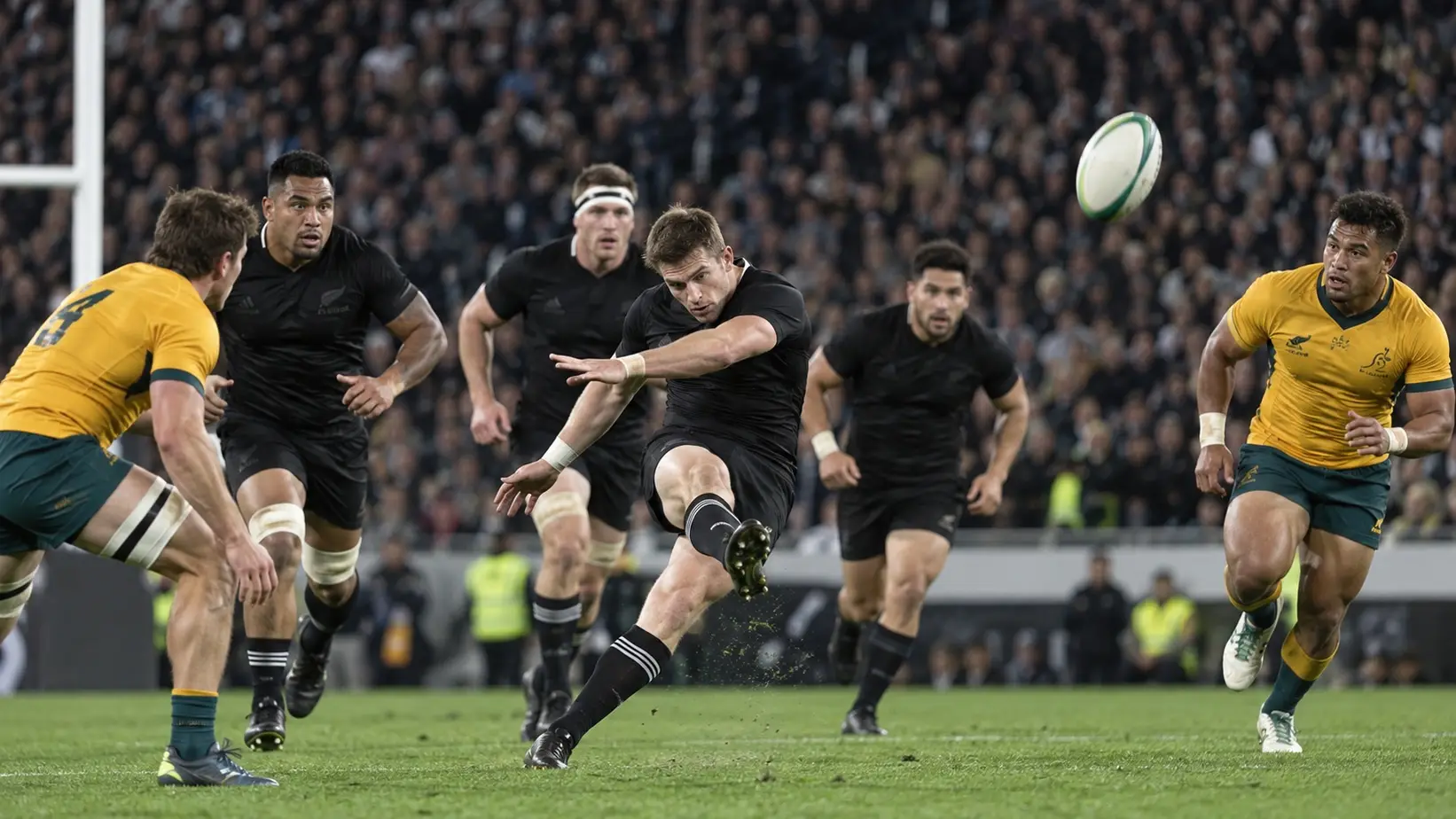
A win in Auckland gives New Zealand a huge psychological edge going into Sydney. For Australia, breaking the run would change how they approach the return fixture, while New Zealand want to immediately defend their home standard and force the rival to chase the result. The significance does not end with the last point or the final decision. A good performance opens a new opportunity, but consistency is what confirms that the change can last. A weaker result may still prove useful if it produces two or three precise tasks. Changing everything at once usually hides the real cause and makes the next check harder. That follow-up gives today’s news long-term value and links the immediate result to the next realistic goal.
The hosts carry the advantage of experience at Eden Park, but the match will be decided by game management. Australia have a realistic chance only if they discipline themselves to reduce New Zealand’s easy attacking opportunities and stay patient. The conclusion must therefore remain tied to the evidence currently available. The best next test uses the same control points in different conditions, so it becomes clear what belongs to quality and what to circumstance. Repeating a good pattern against a new challenge gives the assessment more weight than a single striking action. That is precisely why the final judgement should only be completed once a new comparable data point emerges from the official event.