

Nathan Charles, a former Australian rugby international, has revealed that he was diagnosed with motor neurone disease at the age of 37. The former hooker spoke publicly after several months of health problems and a long series of tests that initially gave no clear answer. He shared the news in an interview with Australian television, explaining that the condition is already affecting his movement and everyday tasks. His statement calls for precise and careful reporting, without speculation about the course of the illness.
Charles played four Test matches for Australia in 2014, including the draw against New Zealand. He ended his professional career in 2018 after spells with the Western Force and the Melbourne Rebels, along with shorter stints in England and France. His path was an unusual one, as he had lived with cystic fibrosis since childhood, a condition that can seriously limit lung function. Despite this, he reached the highest level of a physically demanding contact sport.
Diagnosis after eight months of uncertainty
Charles said he had noticed his health declining for roughly eight months before receiving a final diagnosis. Motor neurone disease covers a group of progressive neurological conditions that damage the nerves responsible for triggering muscle movement. The pace and course of progression vary from person to person, so no individual prognosis can be drawn from his announcement. The most important confirmed fact is that he now uses mobility aids and that some routine actions have become difficult for him.

At first, he said, his thoughts turned to his family and to how the diagnosis would affect the people around him. That message explains why a sporting biography should not be used to romanticise the illness. Charles’s earlier ability to compete while living with cystic fibrosis speaks to his discipline, but it does not change the medical seriousness of his present condition. The public can offer support, while assessment and treatment remain in the hands of the medical team monitoring the patient directly.
Rugby community offers support
The news prompted many messages of support across Australian rugby, where Charles is remembered as a player who widened the picture of what can be achieved while living with a chronic illness. His international debut was once described as a result that defied the usual medical expectations for a professional contact sport. The focus now is different: privacy, access to proper care and support for his family matter more than returning to statistics or old matches.
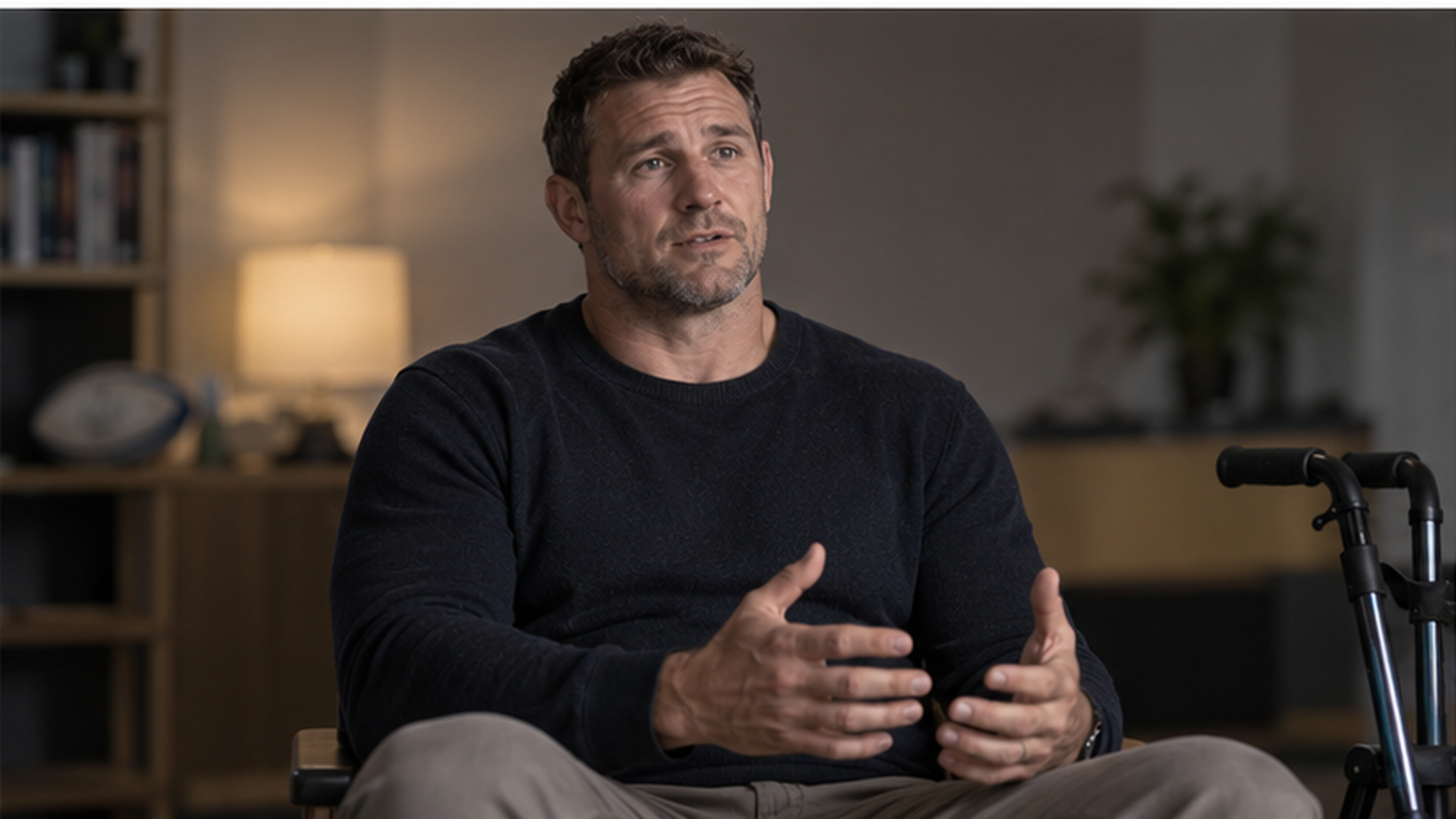
Charles has not outlined a detailed plan for future public appearances, so it should not be assumed that he will take on a campaigning role or become a commentator on the disease. His decision to speak has already drawn attention to the symptoms and to how difficult a diagnosis can be to reach. For the sporting public, the most responsible approach is to report confirmed information, avoid sensationalism and leave him and his family room to decide how much they will share in the period ahead.
Motor neurone disease does not have a single confirmed cause in all those affected, so Charles’s sporting career should not be presented as an explanation for his diagnosis. Public debate about a possible link between contact sport and neurological disease requires separate research, large samples and expert assessment. In this case there are no published data that would support such a conclusion. Responsible reporting must clearly separate his personal medical news from wider questions that have no proven answer.
Practical support for people with progressive neurological diseases includes medical care, equipment, home adaptations and help for families. Charles has spoken about difficulties with dressing and moving, which shows how quickly everyday tasks can become demanding. Rugby organisations can help financially and logistically, but decisions about how much is made public rest with him. Any further information should come directly from Charles, his family or authorised representatives.