
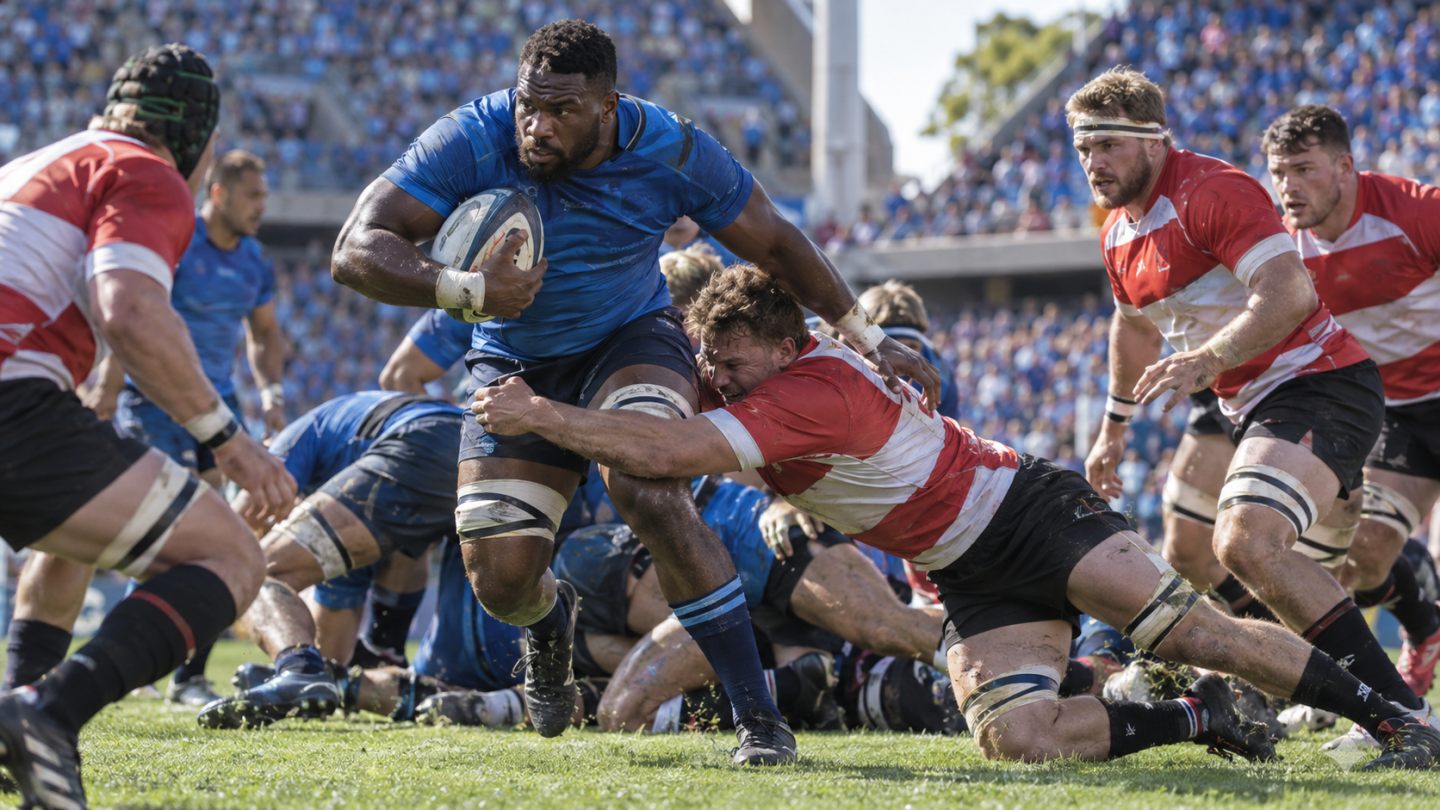
The Bulls host the Lions on 10 October at Loftus Versfeldu in Pretoria in round three of the URC, with kick-off at 12.30 Central European Time. That fact sets the starting point for the analysis. Any further conclusions only make sense once it is clear what has been officially confirmed, what depends on the next outing, and which detail could change the picture first. The order matters: the event comes before the interpretation, and an expectation must not be presented as a settled outcome. For that reason, the next official update should confirm the consequence that is now flagged as the key one.
The Lions can accelerate from won possession, while the Bulls at home will look to dominate through the scrum, lineout and carrying close to the ruck. The wider context shows that one striking moment is not enough to judge the whole performance. A sound plan remains recognisable even when the opponent responds, the tempo drops or the conditions change. It is therefore more useful to look at a chain of connected decisions than to single out the final action that stayed on the scoreboard. Read that way, the event gives the reader a basis for understanding both the result and the decisions that led to it.
Contact and stoppages decide the territory
The Bulls need to keep hold of the ball through short phases before going wide, while the Lions need to move it quickly before the defence sets. The tactical value comes from the sequence, not the number of ideas. A player must first secure position and control, then attack the space that has genuinely opened. The coaching staff sets the signal for a change in advance, so that a single error does not trigger a run of improvisation and pull the team or athlete away from their core advantage. Execution is then judged by the clarity of the decision, the speed of the reaction and the quality of the position after the attempt.
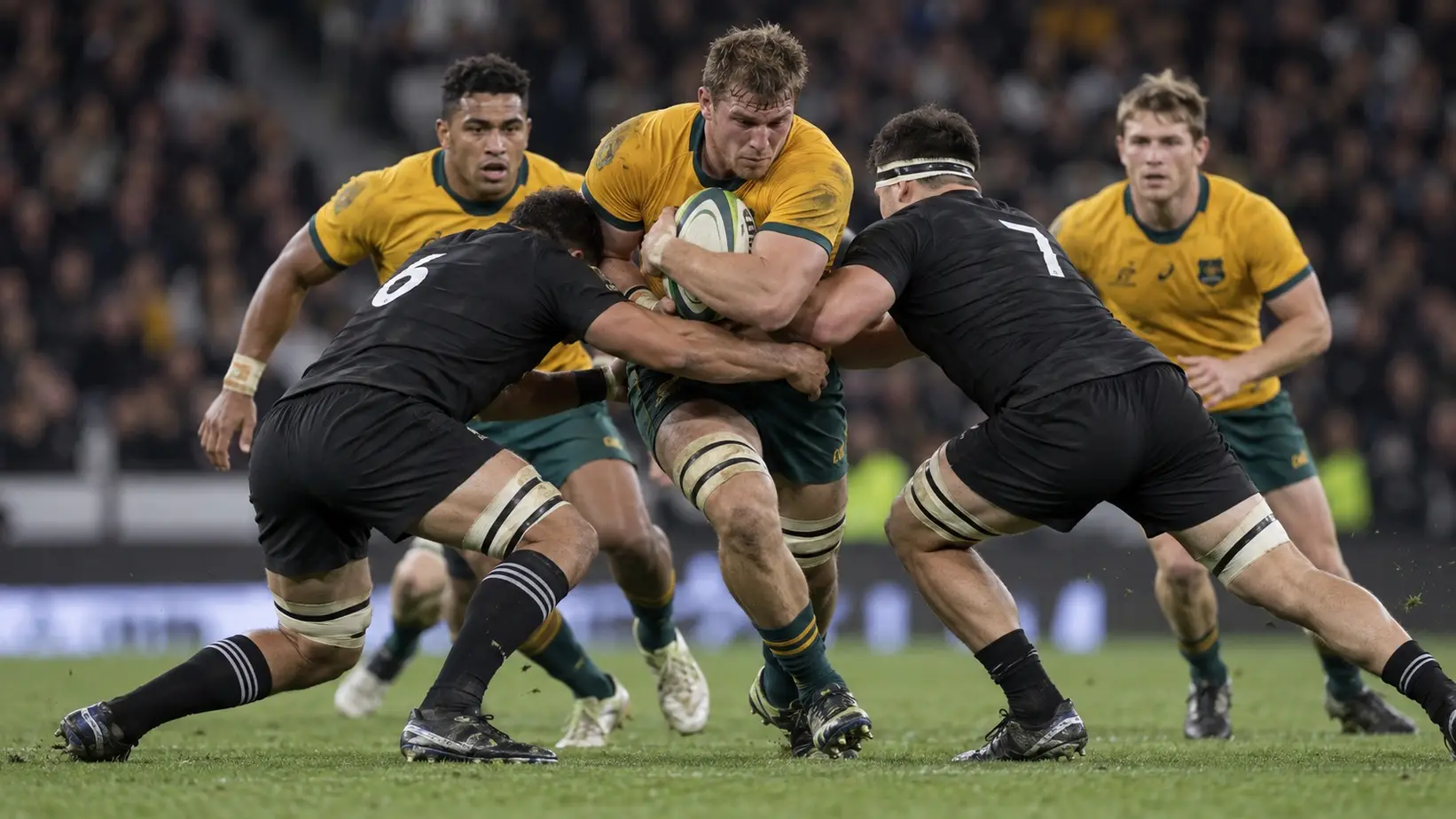
Penalties conceded in your own half hand over territory and a chance at a driving maul, so aggression at the ruck has to stay controlled. Risk management determines how long a plan can survive. A neutral outcome sometimes protects position, energy or possession for a better chance, while forcing the issue without preparation opens the door to a counter. The balance between gain and danger shifts with time and the score, so the same decision is not equally good at the start and in the closing stages. The true measure of discipline will be how many situations had their danger recognised before it became damage.
The Lions look for space before the defence is set
Keep an eye on penalties, the success rate at the lineout, metres gained after contact and the time it takes to get the ball out of the ruck. These figures allow the conclusions to be checked after the event. The final score shows the outcome, but only a comparison period by period reveals where the advantage was created and whether it can be repeated. It is especially useful to separate the opening plan from decisions made under fatigue, because that is where the stability of technique and the quality of preparation show. If the figures are read in order, it will be clear whether a change was planned, temporary or accidental.
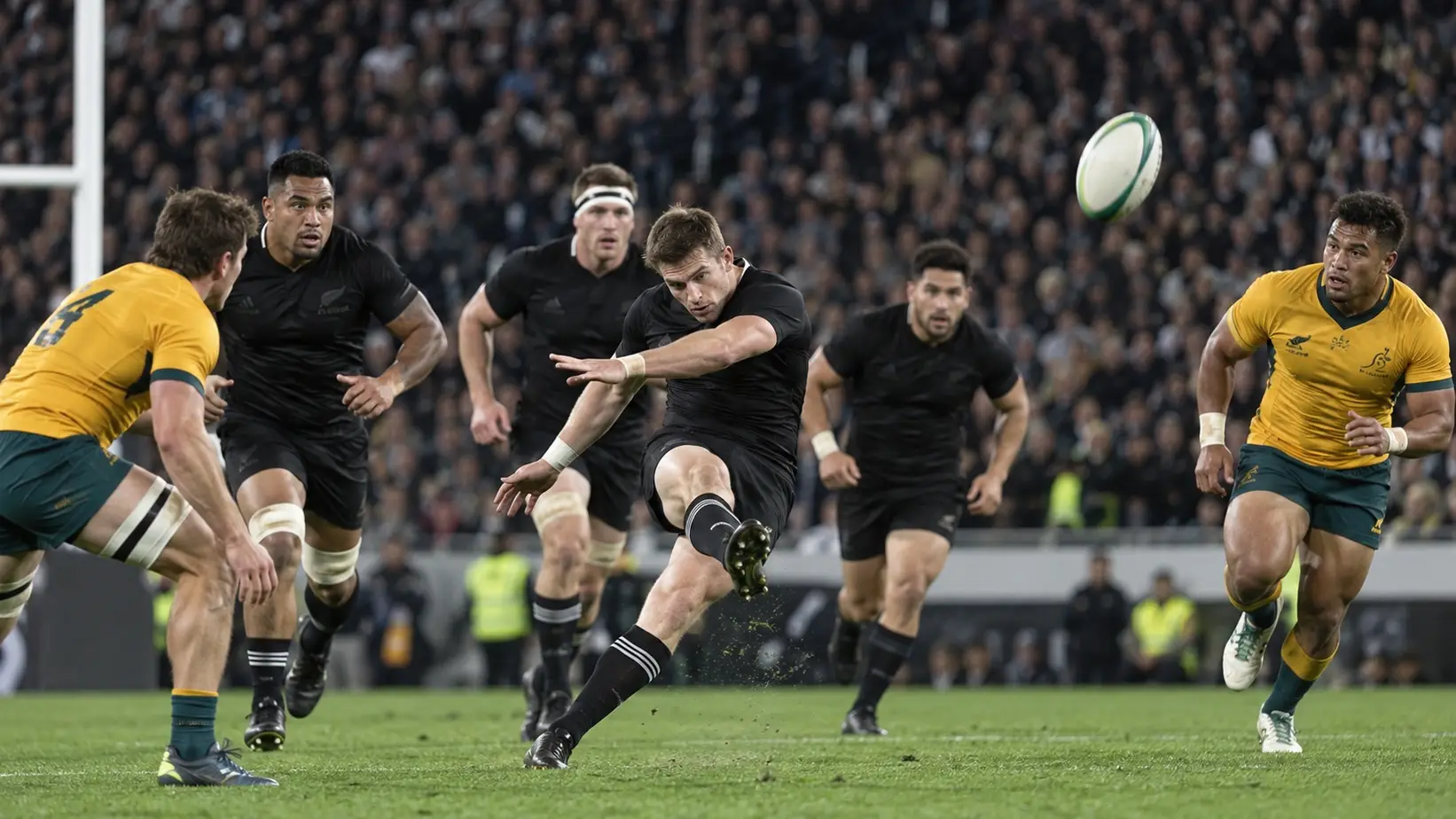
A win in the derby cements the internal pecking order of the South African sides in the league. Its significance does not end with the last point or the final decision. A good performance opens a new opportunity, but only consistency confirms that the change can last. A weaker result can still be useful if it produces two or three precise tasks. Changing everything at once usually hides the real cause and makes the next check harder. That follow-up gives the current news lasting value and links the immediate outcome to the next realistic goal.
The Bulls have the ground and strength in their planned game, but the Lions can punish them if they accelerate after turning over possession. The conclusion must therefore stay tied to the evidence currently available. The best next check uses the same control points in different conditions, so it becomes clear what belongs to quality and what to circumstance. Repeating a good pattern against a new challenge gives the assessment more weight than a single striking action. That is exactly why the final judgement should only be updated once a new comparable data point arrives from the official event.