

Bath beat Exeter 40:34 in a match that produced 11 tries and moved them to the top of the table. The hosts led 26:10 at half-time, but Exeter came out after the break with more urgency and turned the contest into a tense finish. Bath scored six tries, one of them a penalty try, while the visitors crossed five times. Fin Russell added a try and four conversions, and his kicking and distribution tied the attack together and turned chances into points.
The result carried extra weight because Bath had lost to the same opponent in the semi-final earlier. This time the side seized control early and made good use of quick ball from the breakdown. Exeter did not fold when the gap widened. They shifted their carriers and attacked the space near the edge of the defence. The closing stages therefore demanded that Bath regain possession rather than simply hold their own line.
Exeter’s fightback tested the 26:10 lead
Bath were at their best in the first phase, when short carries drew in the inside defenders and Russell then sent the ball behind a decoy runner. The Exeter defence had to choose between closing the middle and pushing out early. On several occasions they were half a step late, and that was enough to create a break. The hosts built a large advantage without relying on a single pattern or one finisher.
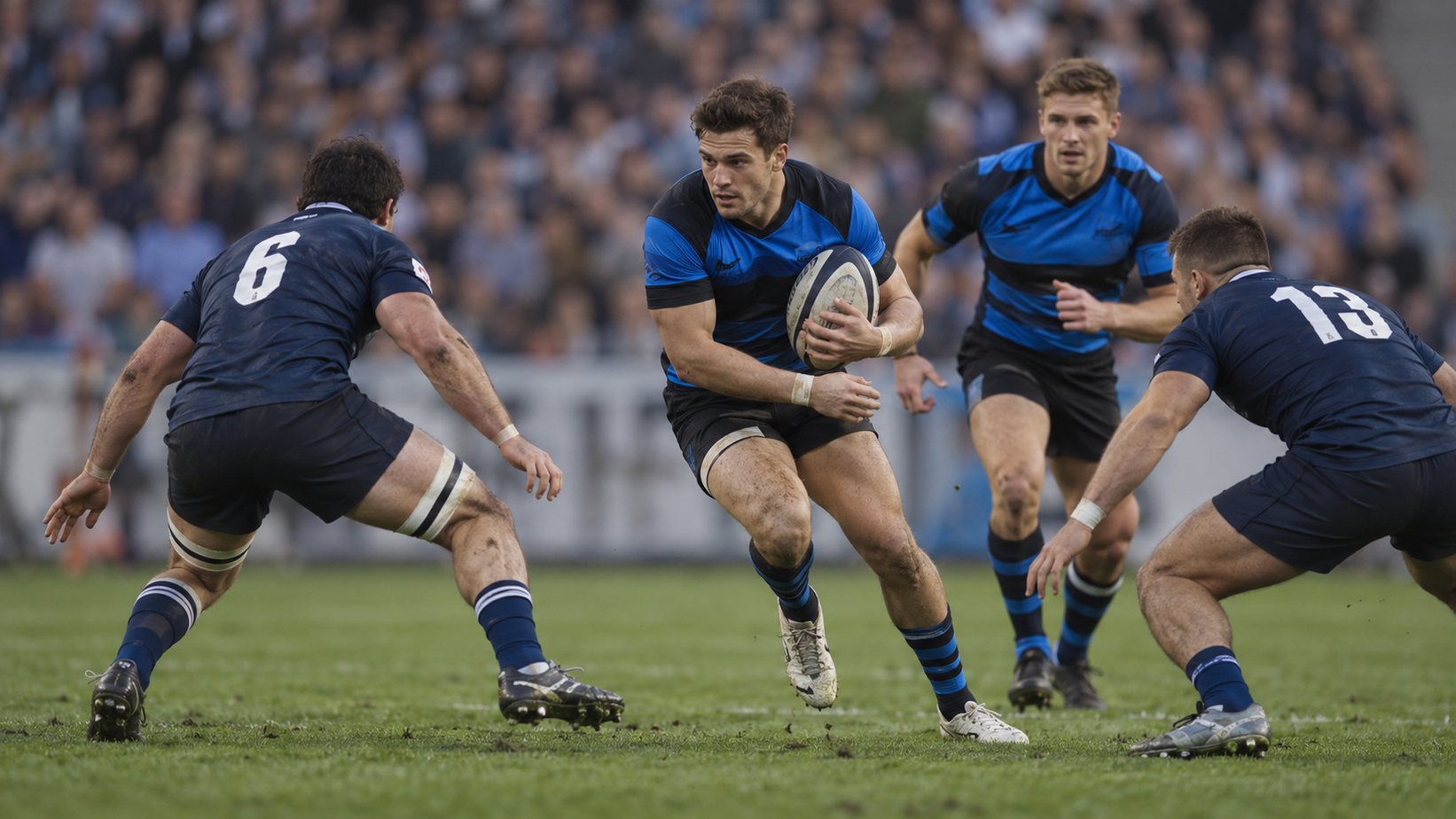
The visitors’ comeback also exposed the cost of an open approach. When Bath failed to win the first contact or were slow to fill the line, Exeter found space before the defence could organise itself. Conceding five tries is too many for a side that wants to stay consistently at the top. Coaches will look closely at how the defence reacts after losing possession, when communication is harder and the structure is most exposed.
Bath collected the points, but the defence remains a warning
Russell’s control was decisive when the lead was shrinking. Rather than keep searching for a risky pass, he used the kick for territory and pushed Exeter back deeper. Decisions like these do not stop an opponent for good, but they change where the next contest takes place and buy time for the defence. His four conversions also kept the margin above a single try at key moments and raised the price of every miss by the visitors.
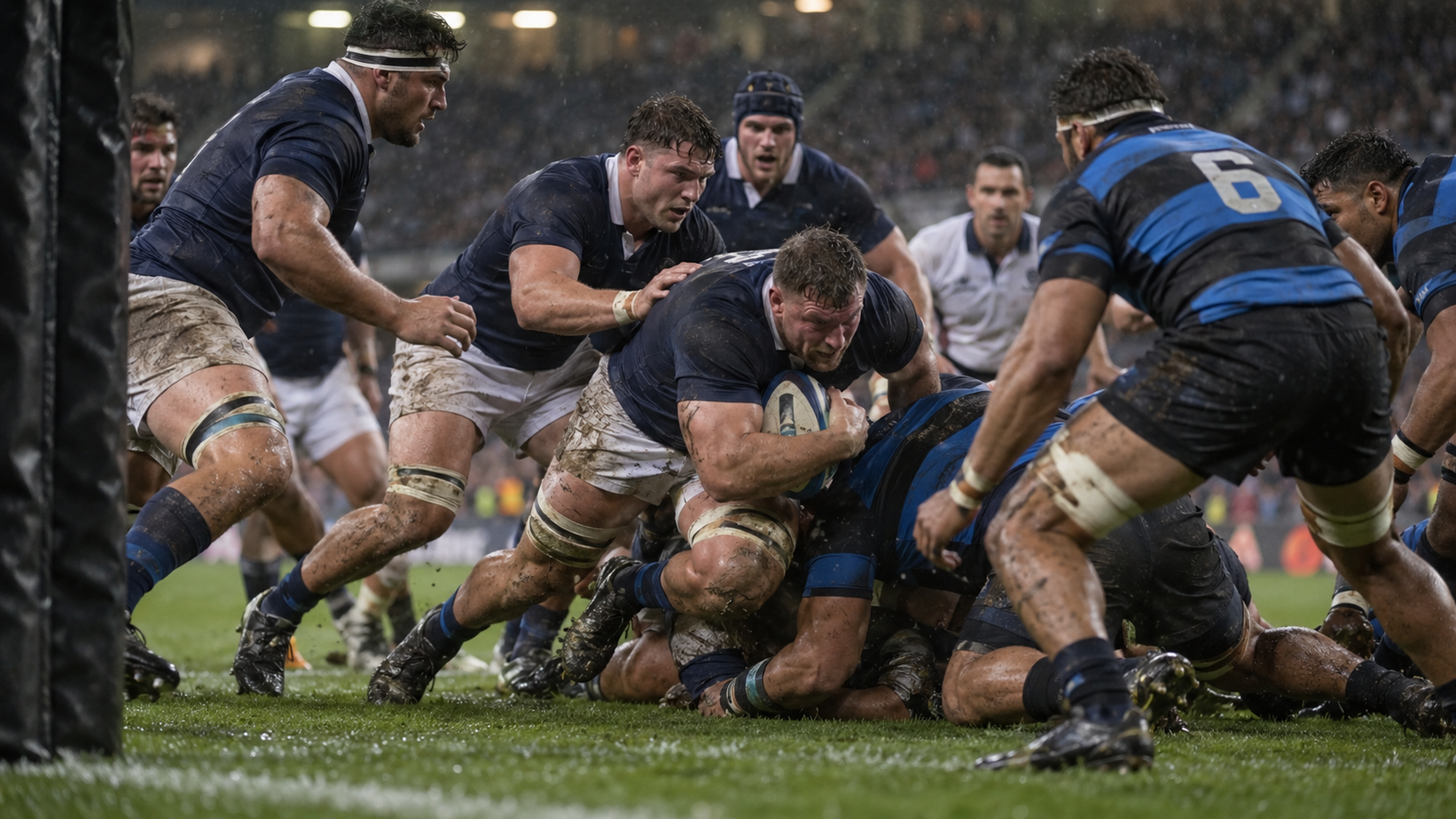
Bath leave the match with the win, the top of the table and proof of their attacking range. At the same time, 34 points conceded give a clear task for the coming week. The side must keep its courage with the ball but organise the first three defenders faster after a change of possession. If they combine that progress with the quality shown in the first half, victory over Exeter could matter more than revenge and become the base for a serious run.
Despite the defeat, Exeter showed a character that may matter later in the season. Coming back from 16 points down confirms that their attack has depth and that their bench can lift the tempo. Their problem remains early defence and the number of easy entries Bath enjoyed before the structure settled. For both teams the footage will be valuable because of the variety of situations it contains. Bath can measure how quickly they reorganise, while Exeter can assess the quality of their first tackle and the timing of the outside defender’s push. Coaches should not remove the attacking freedom that produced 74 points, but they should reduce the gifts they hand over. That kind of progress would keep the games entertaining and increase control. Over a long season, a side that wins open matches but can also close out the final ten minutes usually stays in the race for silverware.
Accurate lineout throwing and secure catching of high kicks will help control the tempo without giving away possession needlessly.
Discipline will remain a common yardstick for both sides. A penalty inside your own half gives the opponent the choice between points and a lineout close to the line, and a run of infringements can also bring a card. In an open match a player can easily be late to the ruck because he is trying to win the ball back straight away. Bath and Exeter must distinguish a realistic chance to steal possession from a situation where dropping back into line is the better decision.