Zeleznicar score twice at the end to beat Cukaricki 2-1 in Pancevo
- Author: SerbianSport
- SerbianSport
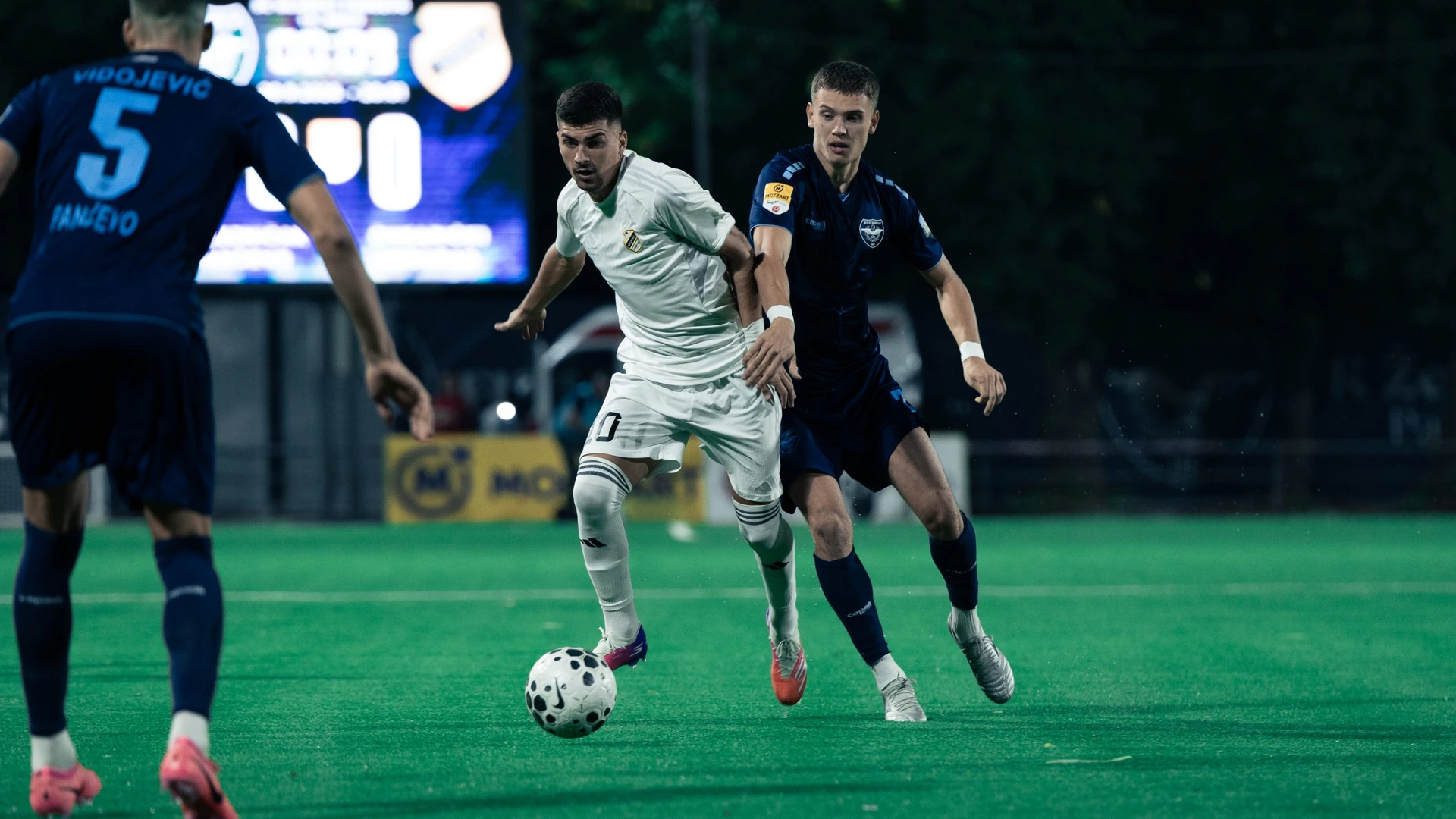
Zeleznicar completed a dramatic 2-1 comeback against Cukaricki in Pancevo. Karel Mustma gave the visitors an early lead, but substitutes Kwaku Karikari and Nikola Jovanovic changed the match in its closing minutes. Karikari equalised before Jovanovic scored the winner soon afterwards, turning a long period of pressure into three points for the home side.
Cukaricki made the first attack count
Mustma's early goal gave the visitors a position they could protect. The finish also forced Zeleznicar to chase the match for a long period.
Cukaricki could defend with numbers and look for space after turnovers. The opening phase showed how one direct action can change the plan for both teams. The early lead allowed Cukaricki to defend the space behind the ball for a long period. Zeleznicar had to build attacks patiently and avoid losses in central areas, because an ambitious pass could immediately release the visitors. Cukaricki also used longer possessions after recoveries to slow the home pressure. The first phase therefore tested Zeleznicar's discipline as much as its attacking energy.
Pancevo pressure needed more precision
Zeleznicar had more reason to take risks as the match continued. Possession around the penalty area was not enough without a clean final pass.
Cukaricki protected the central route and made the home side work through wider positions. The score stayed unchanged because pressure and clear chances are not the same thing. The home pressure became more dangerous when the full-backs and midfield moved closer to the forwards. Shorter distances made it easier to recover clearances and continue the same attack. Cukaricki still protected the centre well, but had to shift repeatedly from side to side. Zeleznicar used backward passes when a direct cross was unavailable, keeping possession and asking the visiting defence to repeat those demanding movements.
The substitutions changed the final phase
Karikari and Jovanovic entered from the bench and gave Zeleznicar fresh movement. Their presence created new targets inside the box when the visitors were tiring.
Coach Radomir Kokovic's changes were rewarded because the team kept delivering the ball into useful areas. The impact came from role and timing rather than from adding attackers without structure. Karikari and Jovanovic changed the movement in front of goal after coming from the bench. One attacked the space between central defenders while the other remained available for a return pass. The substitutions therefore created clearer roles rather than merely adding more attackers. Their fresh pressure on Cukaricki's first pass also made it harder for the visitors to leave their defensive third and reduced the time between successive home attacks.
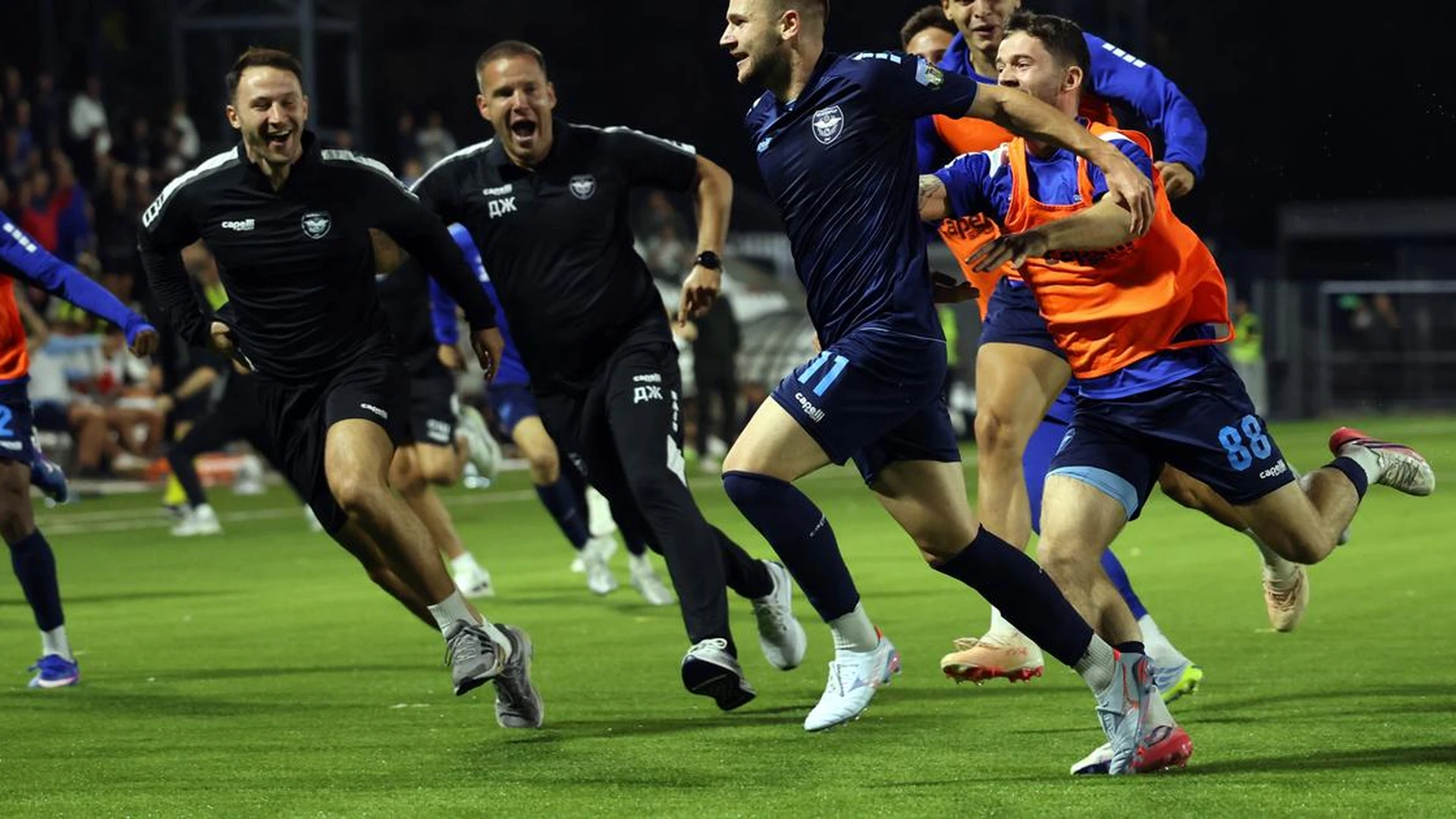
Two late goals reversed the result
Karikari found the equaliser near the end of regular time. Jovanovic then completed the comeback in stoppage time.
The short distance between the goals left Cukaricki little opportunity to restore its earlier organisation. Zeleznicar still had to protect the final possession before the victory was secure. The equaliser followed sustained pressure, and the winning goal arrived before Cukaricki could restore its earlier structure. Zeleznicar still needed calm after moving ahead. An unnecessary foul or a central turnover could have offered the visitors one final response. The hosts therefore chose safer passes, protected the route through midfield and treated the closing minutes as a separate task instead of continuing to attack without regard for the new score.
The outcome changes the league position
Zeleznicar moved to 14 points and climbed above the teams immediately around it. Cukaricki remained on 11 points after losing an advantage it held for most of the match.
The home side can value its persistence while still reviewing why the equaliser arrived so late. The visitors need to examine the closing phase without dismissing the disciplined work that came before it. The three points reward persistence, but the useful review begins before the late goals. Zeleznicar can improve the earlier final pass so that future pressure produces chances sooner. Cukaricki should preserve the discipline shown for most of the match while assigning clearer responsibilities when fatigue and substitutions change the rhythm. One team needs an earlier reward; the other needs its organisation to survive until the final whistle. The comeback should therefore be remembered as a reward for structured pressure and useful substitutions, not as evidence that the opening problems can be ignored. Earlier precision would make the same work less dependent on stoppage time.
Discuss the news - leave a comment!
Go to comments ↓
Comments
0