Serbian junior women's four heads to World Championships in Plovdiv
- Author: SerbianSport
- SerbianSport
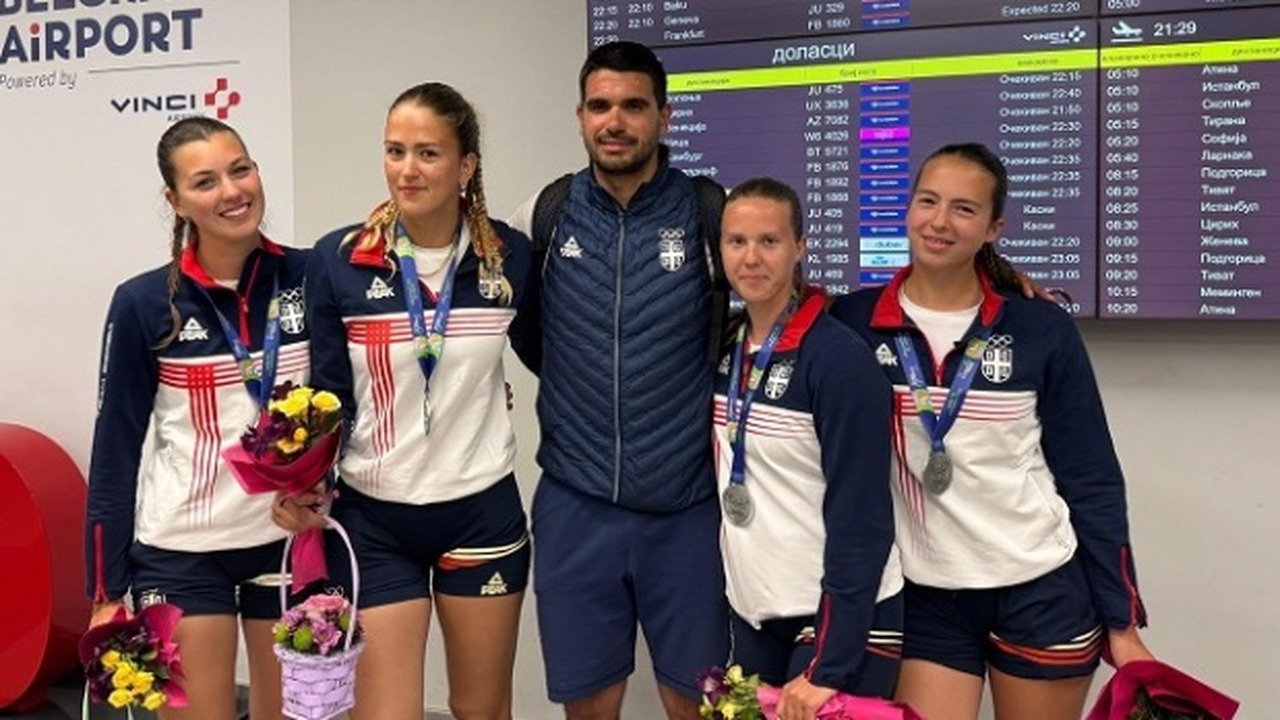
Serbia's junior women's four is ready for the World Rowing Under 19 Championships in Plovdiv. Tara Višacki, Simona Vrcelj, Danica Vrcelj and Anja Toković will race together. Nikola Simović coaches the crew.
The four earned a European silver medal in Germany during May. That result was Serbia's first European final and medal in this women's boat class. The world event now provides a larger field and another major test.
The European medal changed the crew's season
Višacki, the Vrcelj sisters and Toković reached the European final with a composed performance. They then finished second against strong junior crews. The result gave their world campaign a firm base. The medal also carried wider importance for Serbian rowing. No Serbian junior women's four had previously reached a European final. This crew completed both steps during the same regatta. Their boat depends on shared rhythm. All four athletes place each stroke at almost the same moment. A small difference can slow the shell and waste energy.
Training after the European event focused on maintaining that connection. The crew already knew it could compete near the front. The next stage required more consistent work across several races. Plovdiv brings crews from many rowing nations. The Serbian four enters with a confirmed international result. It does not need an exaggerated prediction to make the event important.
Four athletes share one clear task
Tara Višacki sits in a crew with Simona and Danica Vrcelj and Anja Toković. Their positions in the boat create different physical duties. The final speed still belongs to the whole group. A coxless four also requires constant awareness. Athletes cannot rely on a coxswain for every correction. They feel changes through the shell and respond during the race. Coach Nikola Simović prepares the crew from the bank and training launch. During competition, the rowers make their own decisions. Their earlier final showed that communication can remain calm.

A rowing crew races across a marked regatta course.
The start is one important part of the course. The middle section tests rhythm under pressure. The closing metres reveal how much speed remains after a demanding effort. Serbia can compare each phase with the European regatta. That evidence helps the crew understand its progress. The world field will provide a new standard.
Serbia sends more than one boat to Plovdiv
The women's four is part of a wider Serbian entry. Vukašin Cakić will race in the junior men's single sculls. His event places one athlete in full control of the boat. Serbia also has a junior men's four. Lazar Janjić, Aleksa Đurđević, Veljko Jović and Mihajlo Ignjatov form that crew. Their preparation follows the same national programme. Different boat classes create different race demands. A single sculler manages balance and pace alone. A four gains speed through coordination between several athletes.
The Serbian crews travel under the same national programme. Course and weather observations are shared between their scheduled races. More than fifty countries are represented in Plovdiv. Serbia's small group therefore enters a broad international field. Every progression round has clear value.
The world event begins with progression races
Fourteen crews are entered in the junior women's four. The opening races determine which boats take the shortest route towards the final. Other crews continue through additional rounds. That system rewards a strong start to the regatta. It also gives a recovery route after one difficult race. The athletes spread their effort across several days. The Serbian crew has already shown speed over a championship course. Plovdiv brings a wider group of international crews. Their European silver remains the best result of this boat class.
Conditions can change between morning and afternoon sessions. Wind and water affect every boat on the course. Crews adjust their rhythm without changing the basic distance. Serbia's junior women arrive with a historic medal and a complete crew. Their next race is at the World Under 19 Championships in Plovdiv.
Plovdiv has experience with major rowing events
The regatta course in Plovdiv has hosted international rowing championships before. Athletes race on marked lanes with the full championship distance. The venue provides training water before competition begins. Crews use those sessions to check equipment and course conditions. They can adjust footplates and small rigging details. The final boat remains the same one used in the race. Junior championships also require careful recovery. Several races may fall within a short period. Food, sleep and light movement between sessions support the athletes' normal routine.
Serbia's women's four enters that environment after a full European campaign. The crew knows the order of warm-up, start and recovery. Plovdiv adds a larger field and another venue. The Serbian four will race with the same crew that won European silver. All four athletes remain together from the first stroke to the finish line.
Discuss the news - leave a comment!
Go to comments ↓
Comments
0