Serbian refereeing review supports the derby penalty kick but identifies a missed red card
- Author: SerbianSport
- SerbianSport
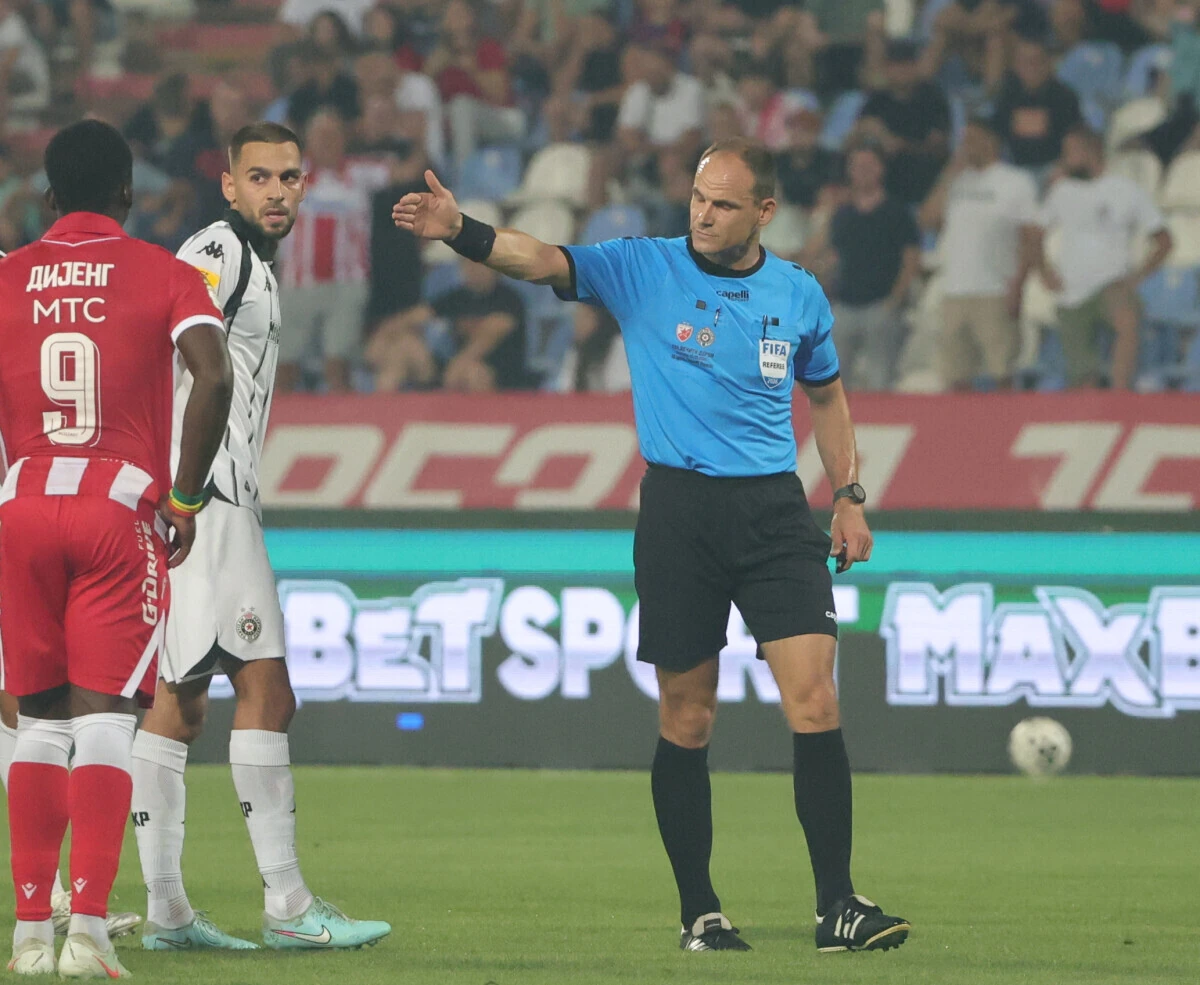
The Football Association of Serbia has assessed two refereeing decisions from Crvena Zvezda against Partizan. Its eighth-round review supports the penalty kick awarded after a video review in the 24th minute. It also says a dangerous tackle during second-half added time required a red card. In that second incident, the video assistant referees should have asked the referee to review his decision.
The referee awarded a penalty kick after checking the video
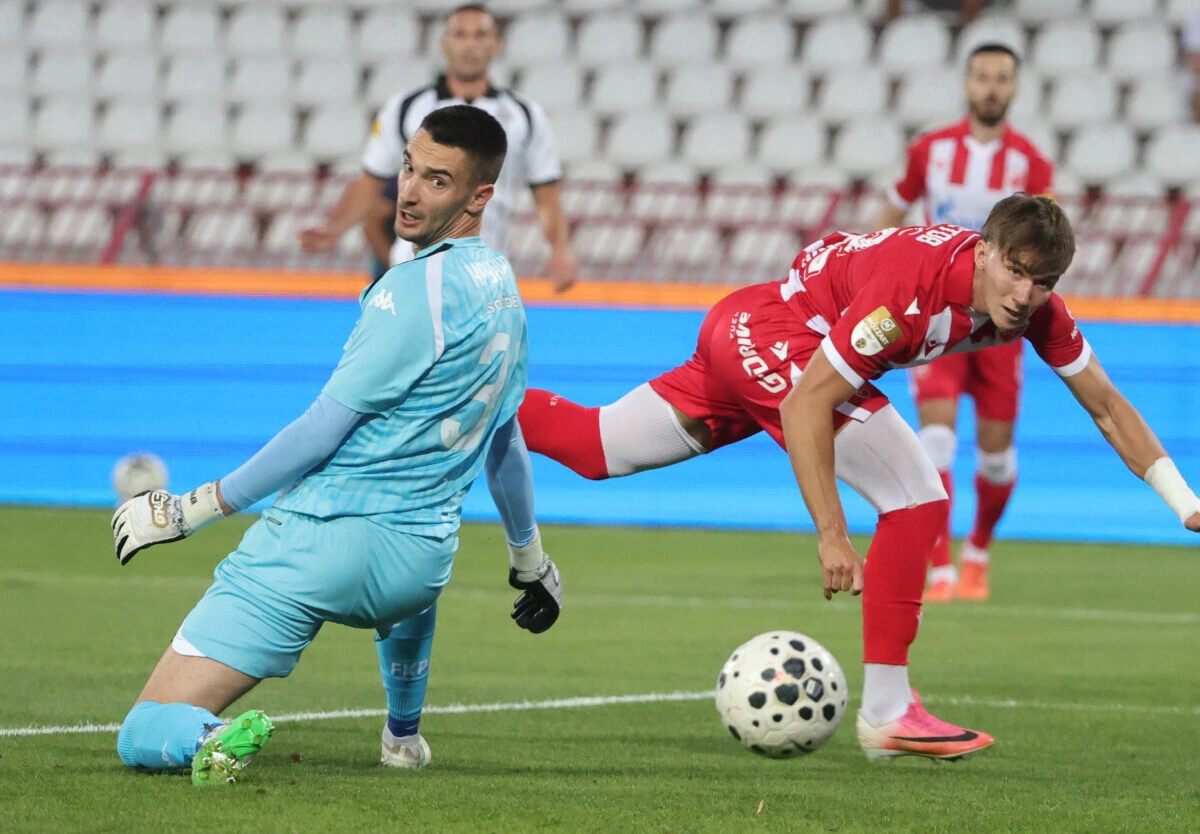
In the first incident, the referee initially allowed play to continue. The association describes an attacker entering the penalty area with the ball and a defender making contact with the attacker's leg without playing the ball. VAR then recommended that the referee watch the available footage at the pitch-side monitor.
After watching the recording, the referee awarded a penalty kick. The association considers that correction justified because the video clearly showed the foul. His initial decision had allowed play to continue; the later decision recognised the offence inside the penalty area. The positive assessment applies to the decision made after watching the video, not to the initial decision on the field.
A yellow card was not enough for the late tackle
The second incident occurred five minutes into second-half added time, recorded as 90+5. The referee awarded a direct free kick and showed a yellow card for a reckless tackle. The video assistant referees accepted that decision. The subsequent review found that the dangerous tackle required the player to be sent off instead.
The player approached from behind and made the tackle with both legs, at considerable speed and with substantial force. Those features put the opponent's safety at risk. The association says the video assistant referees should have intervened so that a red card could be shown. Their assessment depends on how dangerous the tackle was, not simply on whether the players made contact.
| Time | Decision during the match | Assessment after the match |
|---|---|---|
| 24th minute | Penalty kick after video review | The corrected decision was right |
| 90+5 | Free kick and yellow card | The video assistants should have intervened; a red card was required |
Touching the ball does not make a dangerous tackle safe
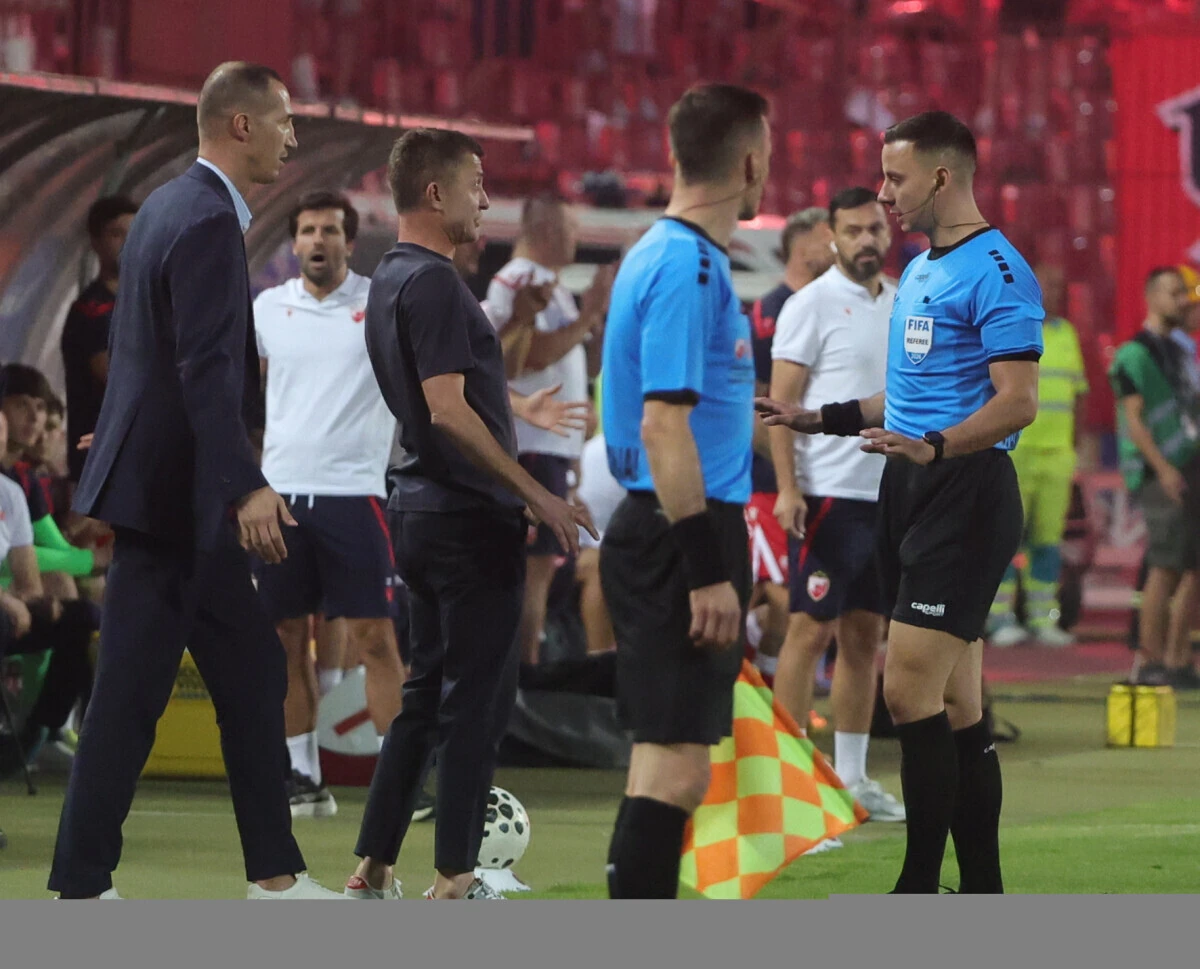
The association addresses the argument that the player touched the ball. That touch does not remove the danger created by tackling an opponent from behind with both legs. The referee must still consider the force and direction of the movement. Winning contact with the ball is not permission to put another player's safety at risk.
The two derby incidents therefore involve different details. In the penalty-area incident, the defender missed the ball and made contact with the attacker's leg. In the later incident, touching the ball did not make the two-footed tackle acceptable. To understand the decisions, consider the complete movement in each case, including the player's speed, direction and contact with the opponent.
The review records what happened and what was expected
The FSS document lists the original decision, VAR's response and an explanation for each incident. That structure allows readers to distinguish a correction made during the match from a mistake identified afterwards. The penalty was changed during the game. The late disciplinary decision was not corrected at that time.
The published analysis does not itself announce a retrospective change to the match result or a new disciplinary sanction. It explains how the reviewed situations should have been handled. Any later disciplinary action would require a separate decision and should not be inferred from the wording of the VAR assessment alone.
Other eighth-round incidents illustrate different review tasks
The same association document also covers Novi Pazar against Zeleznicar and Radnik against Cukaricki. In the former match, a goal was disallowed after VAR established that the scorer was offside when a teammate played the ball to him. The report describes that as a factual decision and supports the cancellation of the goal.
In Radnik against Cukaricki, the referee reviewed an incident involving players jumping for the ball. The defender struck his opponent's head with an elbow before heading the ball. A penalty kick and a red card followed the video review, and the association considers both decisions correct. As in the derby, the assessment considers contact with the opponent as well as contact with the ball.
Two conclusions, not one verdict on every decision
The derby section is precise: the penalty after review was correct, while the later yellow-card decision should have prompted further intervention. It does not offer a complete assessment of every refereeing decision in the match. Nor does it establish an intention to favour either club.
The most useful reading is therefore the narrow one supported by the document. One situation shows a successful correction through an on-field review. The other shows an intervention the association says should have occurred but did not. Keeping those findings separate makes the explanation clearer than treating the report as a single approval or rejection of the entire refereeing performance.
Discuss the news - leave a comment!
Go to comments ↓
Comments
0