
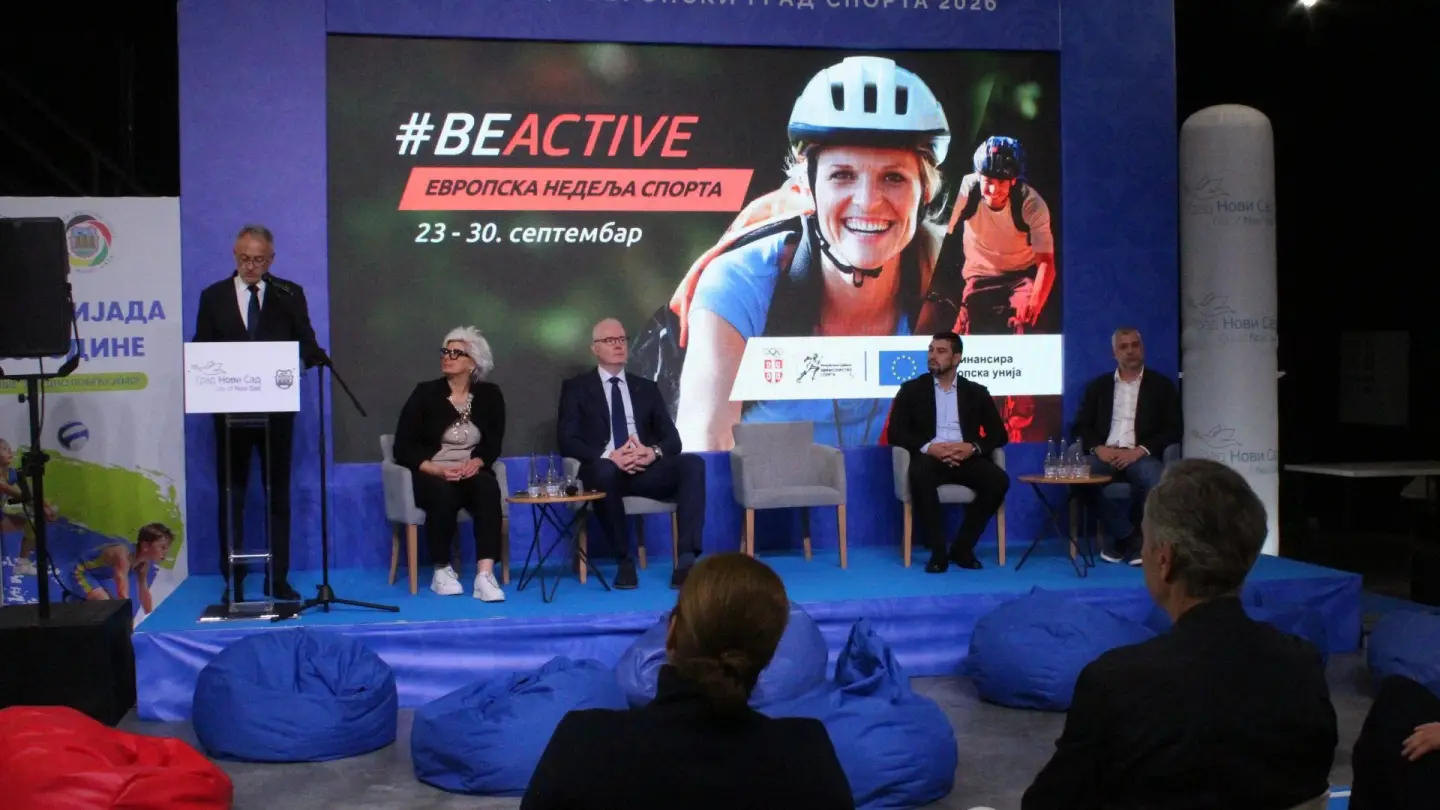
The European Week of Sport was launched in Novi Sad with the aim of making physical activity accessible to children, adults, families and people with disabilities. The central programme runs from 23 to 30 September, but activities across Serbia span almost the entire month. Novi Sad is hosting the event as the European Sport City 2026.
Activities take place in schools and public spaces
This year’s approach does not reduce sport to watching professional matches. Events are organised in schools, local communities, public spaces and family settings. This arrangement lowers the first barrier for people who are not club members. A participant does not need to buy equipment or commit to a strict training plan just to take a first step.
The BeActive slogan only makes sense if the activity can continue after the event. A short public training session can demonstrate simple exercises, and a local club should then offer a clear slot for beginners. The link between the event and regular programmes matters more than how many people appear in a single photograph. A habit forms when coming back the next time is easy and easy to understand.
Children and young people remain central to the long-term goal
The Ministry of Sport and the Olympic Committee of Serbia have placed particular emphasis on work with children. Physical activity supports healthy development and also teaches discipline, perseverance and teamwork. For that effect to be real, the programme has to accommodate different levels of ability. A child attending for the first time should not immediately be compared with a peer who has trained for several years.
Schools play an important part because they can involve pupils who would not seek out a club themselves. Donating equipment helps, but a plan for using it is also needed. Teachers must know which exercises are safe, how much space is required and how to manage a large group. Equipment then stops being a symbol of the event and becomes an everyday tool.
The European Sport City title brings obligations for Novi Sad
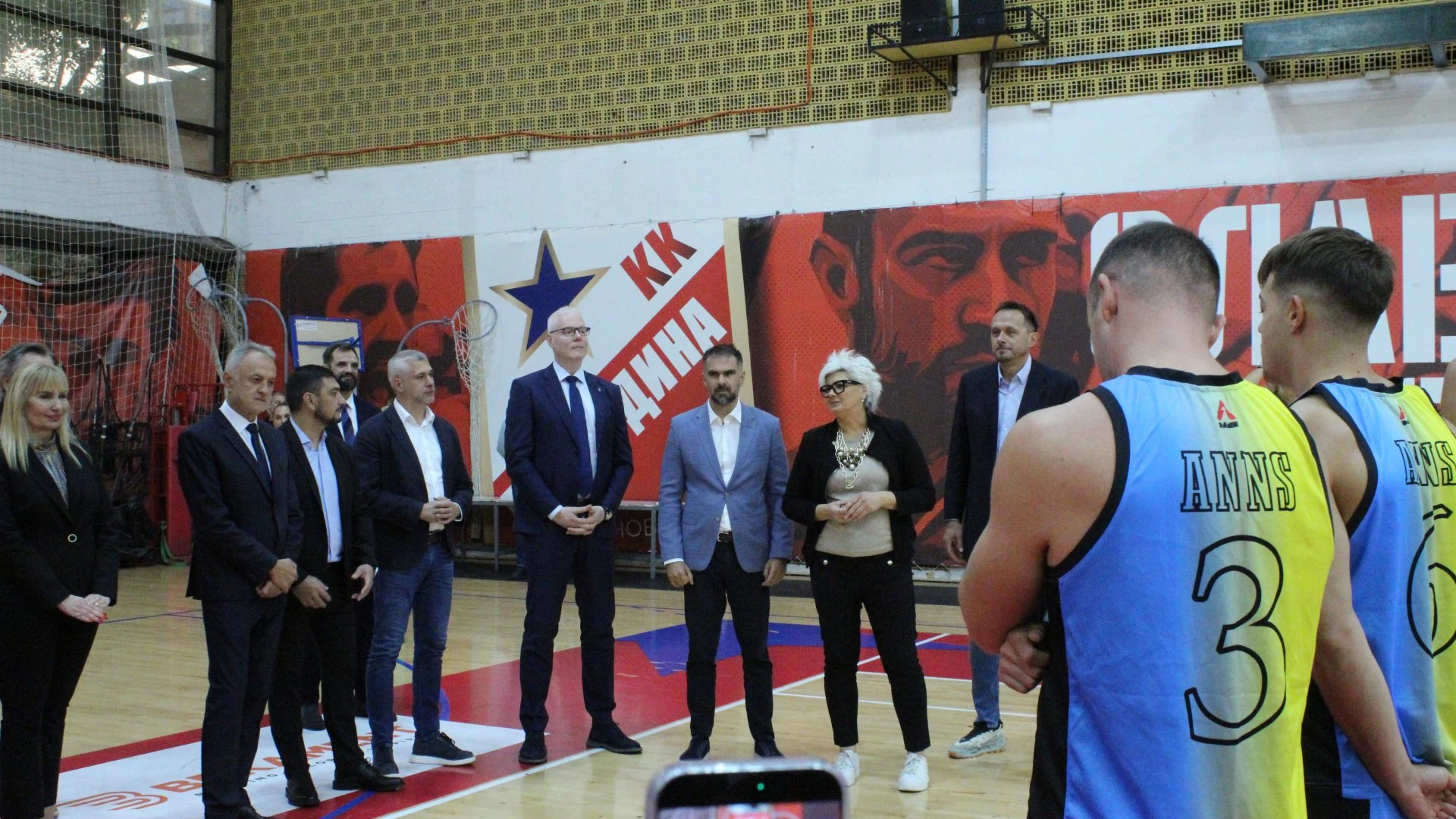
The city holds the title of European Sport City 2026, which increases its visibility but also raises expectations. The title should be reflected in available time slots, well-maintained pitches and programmes that reach several neighbourhoods. Large venues such as SPENS have an important role, but for residents a safe pitch or a track close to home is often more useful.
City representatives stressed the inclusion of people with disabilities. That means more than removing a step at the entrance. It requires adapted sessions, trained coaches, accessible changing rooms and accurate information about conditions. When details are published in advance, a participant can plan the visit without further enquiries or uncertainty.
| Programme element | Confirmed framework |
|---|---|
| Central period | 23-30 September |
| Edition in Europe | 11th |
| Edition in Serbia | 9th |
| Host city for the opening | Novi Sad |
A range of programmes gives residents several ways to start
The programme includes sports challenges, school and urban events, training sessions, workshops, panel discussions, cycling races and educational talks. Some people will find it easier to begin through team games, others through a bike ride or a short lecture on movement. This variety is useful because it does not assume that one sport suits everyone.
Even so, a large number of events must be clearly organised. Participants need the venue, the time, the age group, the level of exertion and information about registration. When the schedule is simple, a family can choose an activity without further research. Good organisation is as much a part of accessibility as free entry.
Success will be visible only after the week is over
Attendance figures give a first impression, but the long-term result should be measured differently. What matters is how many new participants returned to training, how many schools continued the programme and whether local clubs gained members from groups that were previously under-represented. That data helps the next European Week of Sport invest more in what actually works.
Novi Sad has opened up space to present sport as an everyday habit rather than only a competition. The next step belongs to schools, clubs and the city. If the opening event leads to regular sessions close to where people live, the slogan takes on a practical meaning. Physical activity then remains within reach even after the central programme ends.
The programme must reach beyond the large sports centres
A city can have many sports facilities and still leave some families without realistic access. Travel time, transport costs and the timing of sessions often matter more than the membership fee itself. For this reason, organisers should track which parts of Novi Sad participants come from and where interest does not turn into regular attendance.
Such data can direct mobile training, school programmes or cooperation with smaller clubs. The aim is not for everyone to use the same large centre. The aim is for everyone to have a reasonable first option close to their daily route. The European Week of Sport then becomes a way of identifying gaps in provision, rather than just a series of successful public events.