
The Government of Serbia has granted its national sports recognition to former handball player Žarko Šešum. The decision is tied to Serbia’s silver medal at the 2012 European Championship in Belgrade, where the team reached the final and lost to Denmark.
The recognition brings a lifelong monthly payment, which begins once the athlete reaches the age requirement of 40. Eligible are medal winners at the major championships in Olympic and Paralympic sports, along with certain world record holders.
The 2012 silver remains one of the main results
Serbia played the European Championship in front of a home crowd and made it through to the final in Belgrade. The squad held up under the pressure of packed arenas and a demanding route to the closing rounds.
Denmark took the title, but the silver stands as the strongest result for the senior men’s selection of that period.
Šešum was part of the group that gave Serbian handball a major national moment. The medal loses none of its value because 14 years have passed. Today’s decision connects the official result with the people who achieved it on the court.
Serbia hosted the 2012 European Championship, and the closing matches were played in Belgrade. The team beat Croatia 26:22 in the semi-final, and Denmark then won the final 21:19.
The silver medal is the exact achievement named in the Government’s decision on Šešum.
The decision follows a clear legal category
This is not a general award for popularity or a long career. The recognition is granted under the rules for athletes who won medals at specific major competitions. The monthly payment starts after the age requirement has been met.
Clear conditions protect equal treatment for athletes. Results from different disciplines can be measured against the same type of competition. Even so, every decision should name the medal, the year and the event, so the public can understand the basis.
Šešum played as a back and represented Serbia for many years. He appeared at European and world championships, as well as the 2012 Olympic Games. The national award is not based on the number of appearances.
It follows a medal-winning result that meets the legal category.
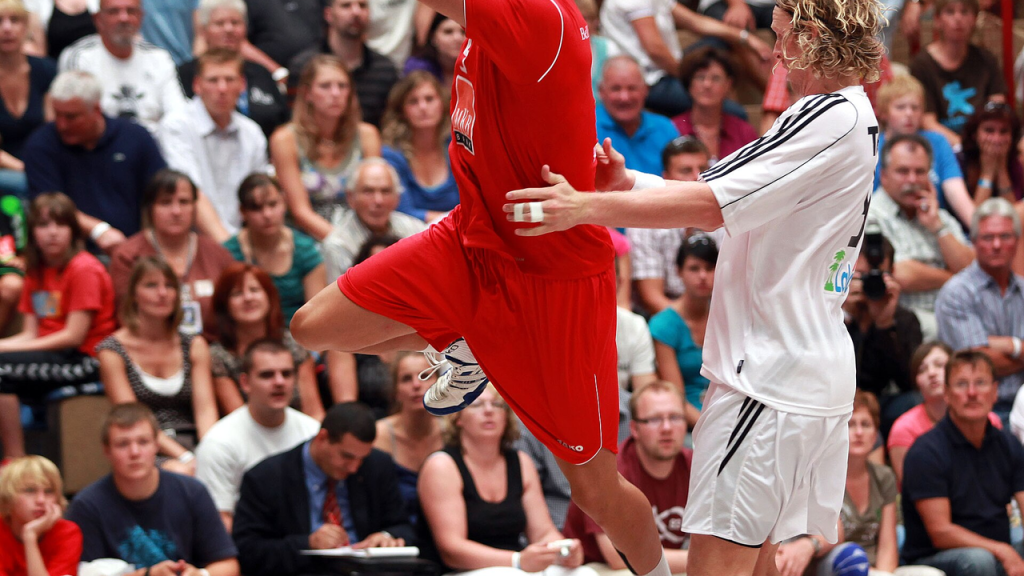
Žarko Šešum shoots during a match from his playing career.
The recognition is tied to the 2012 European silver
Serbia won silver at the 2012 European Championship in Belgrade. Šešum was part of that squad, and the Government’s decision recognises that exact result.
Denmark won the final 21:19. Serbia’s second place remains the country’s best result at the European Championship for handball players.
In his club career Šešum wore the shirts of Veszprém, Rhein-Neckar Löwen, Frisch Auf Göppingen and Kadetten Schaffhausen. He played in Hungary, Germany and Switzerland after starting out in Serbia.
Those clubs show the length of his career, but they sit apart from the national recognition.
In July, young Serbian athletes also carried the national colours at the championships in Rieti.
| Signal | Meaning |
|---|---|
| Athlete | Žarko Šešum |
| Recognised result | Silver at the 2012 European Championship |
| Form | Lifelong monthly payment after age 40 |
Šešum played for Serbia at major tournaments
The back represented Serbia at European and world championships, as well as at the Olympic Games. His international career lasted longer than the tournament named in the decision.
The national recognition is nonetheless based on the 2012 medal. The other appearances form part of his career, not an additional reason cited in the decision.
The monthly payment begins after the prescribed age limit and runs for life within the national system. The Government’s decision places Šešum within an existing framework. No new payment method was created for him.
The same legal category applies to other Serbian winners of equivalent medals.
His club career took in Germany and Hungary
Šešum played for Veszprém, Rhein-Neckar Löwen, Frisch Auf Göppingen and Kadetten Schaffhausen. In doing so he spent years in several strong European leagues.
Club honours and international medals belong to different records. The Government’s decision concerns the result with Serbia, not his future role in handball.
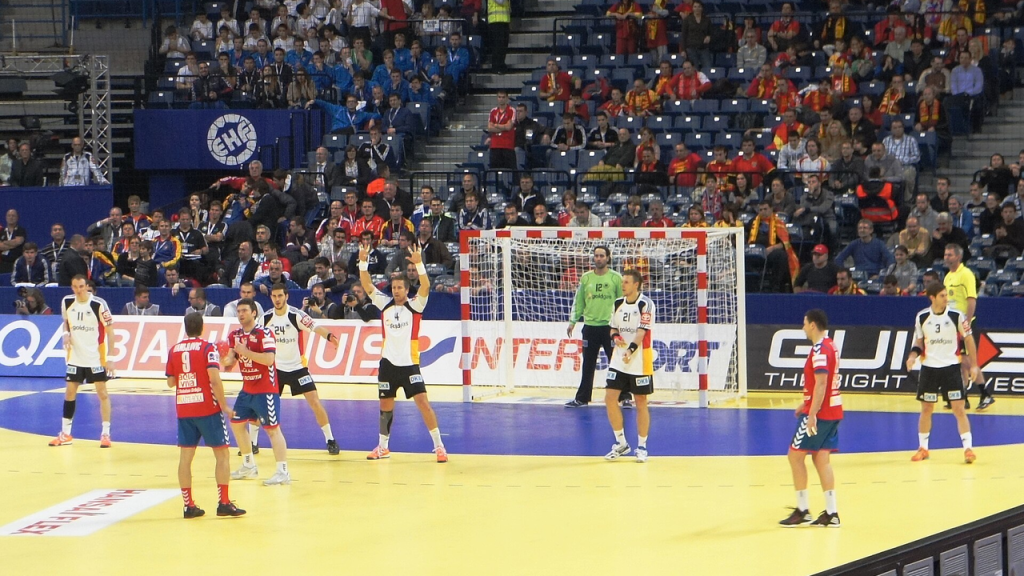
Serbia attack Germany at the 2012 European Handball Championship.
The recognition has a fixed legal form
In Serbia, the national sports recognition is paid as a lifelong monthly payment after the age of 40. Šešum meets the conditions linked to the result and his age.
That form is already set out in national rules. The text therefore states the award directly and adds no proposals about public work or coaching young players.
The Government’s decision confirms the official status
The Government of Serbia approved the recognition and linked Šešum’s name to the 2012 silver. That is the main new fact published on 17 July.
No extra campaign or ceremony is needed to explain the decision. The award, the result and the payment method together make up a complete, confirmed record.
The 2012 squad remains part of Serbian handball history
Šešum played the European tournament with the Serbian national team in front of a home crowd. Their silver medal stays in the official final standings.
The new recognition applies to one member of that squad. It does not change the result, but it gives Šešum the status provided for under Serbian law.
Šešum turned 40 in June 2026, so the timing of the decision matches the age requirement for the monthly payment. The recognised medal remains the European silver from Belgrade in 2012.