
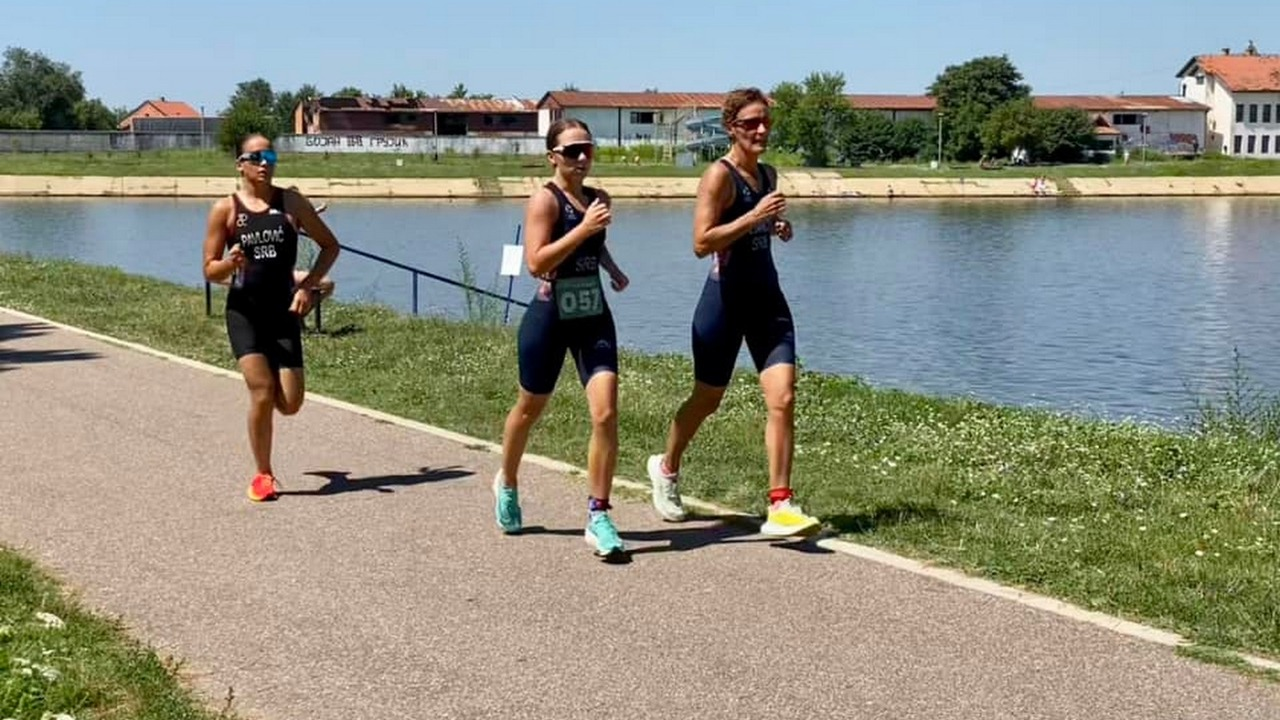
On Saturday, 16 August, the Serbian Aquathlon Championship takes place at the city lake in Vršac. The programme includes races for the younger age groups, the main individual race and relay events. Serbian athletes combine swimming and running, with no cycling leg.
The main race consists of one kilometre of swimming followed by 5.2 kilometres of running. Younger age categories use specially adjusted shorter courses. Their starts are staggered so that the swimming course and the transition zone remain easy to oversee.
The youngest athletes open the programme
Younger pioneers and pioneers swim 50 metres first and then run 500 metres. The short format introduces them to both disciplines without placing too heavy a load on their endurance. Younger cadets swim 100 metres before running roughly one kilometre. Cadets finish 200 metres in the water and then move on to a longer running section.
Separate starts improve safety, since athletes of similar age and speed share the course. Officials can prepare the transition zone before the next group goes out.
| Category | Swimming | Running |
|---|---|---|
| Younger pioneers and pioneers | 50 m | 500 m |
| Younger cadets | 100 m | ~ 1 km |
| Cadets | 200 m | ~ 1.8 km |
| Main race categories | 1 km | 5.2 km |
The main race features two swimming laps
Younger juniors, juniors, competitors up to 23 years of age, seniors and age groups take part in the main race. They swim two laps of 500 metres each. The course then leads them through shallow water towards the transition zone. Athletes remove their swimming gear and start running. A well-organised transition saves time without risky movements. Every piece of equipment must have a designated place before the start.
The running course has six laps on flat asphalt. Several passes help spectators follow the order of finish. Competitors still need to count their laps carefully and keep a steady pace.
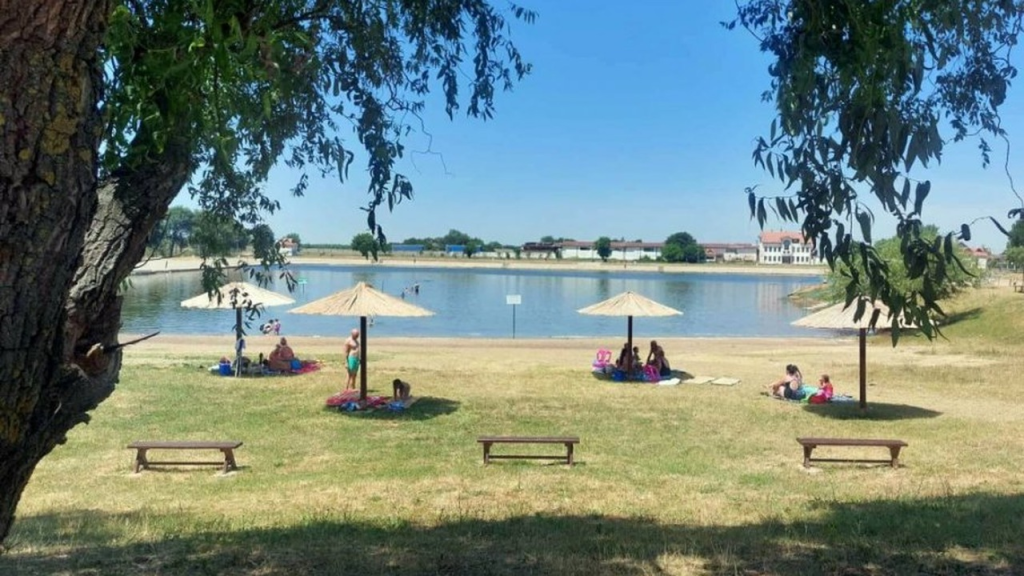
People stroll along the City Lake, which forms part of the competition venue in Vršac.
Aquathlon rewards balanced preparation
A strong swimmer can open a gap before the transition, but the race does not end when athletes leave the water.
A fast runner has enough room to win back lost positions. The best overall result usually depends on balance. Switching from a horizontal swimming position to upright running changes leg action and breathing. Athletes rehearse this switch in linked training sessions. The first running lap therefore feels different from a standard track start.
Pacing in the swim remains very important. A competitor who spends all their energy in the water may lose more time while running. A controlled rhythm often produces a faster overall time.
The programme includes relays and age groups
Relay teams may be women’s, men’s or mixed. One team member finishes the swim, and another takes over the run according to the event rules. The format lets specialists combine their stronger disciplines. Age groups widen participation beyond elite seniors. They use the main course, but rankings are kept in separate categories. In this way the national championship gains a broader field of competitors.
All participants follow the same safety rules and appeals procedure. Officials keep track of entries, course access and timing. Clear rules matter when many categories compete within a single day.
The championship brings a domestic battle for titles
Vršac Lake is a well-known venue for domestic aquathlon. The flat course has no long climbs, but several turns and summer conditions still affect athletes’ rhythm. The event links the development of young athletes with senior competition. Younger competitors can follow the main race after their own events. Clubs get the chance to compare progress across several age groups.
This championship rests on real results rather than an exhibition programme. Athletes link swimming, transition and running into one continuous effort. Recorded times decide the national titles in all the categories listed.
Course safety depends on an organised transition
Athletes enter and leave the lake through marked points. Officials keep spectators away from the course. The exit through shallow water needs enough room for competitors whose balance changes after swimming. Only essential equipment stays in the transition zone. Bags or scattered shoes can get in the way of other athletes. The position of the number and the direction of movement are explained before the start.
Multiple running laps bring frequent overtaking. Faster competitors pass without pushing others off the course. Judges count laps and direct each category to the correct finish. Summer heat makes refreshment stations more important. Athletes judge whether a drink saves more energy than it costs in time. Safety matters more than a few seconds in any age category.
Timing links every part of the race
Electronic timing starts with the starting signal and ends at the finish. A checkpoint at the transition can show how the order changed between swimming and running. Officials use the recorded times for final placings. Competitors wear their assigned number or chip as the organiser instructs. Equipment must stay properly fixed in the water and during the run. If a record is missing, a check takes place before results are published. Each age group covers the course set for its category. The youngest competitors do not cover the same distance as the seniors. Separate starts reduce crowding and make the programme easier to control.
Relay members share the swimming and running sections according to their registered line-up. The changeover takes place in a marked zone. A mistimed handover can cost time or lead to a penalty. Results will list athletes by category and finish time. That document will remain a clear sporting record of the national championship once the final race is over.