
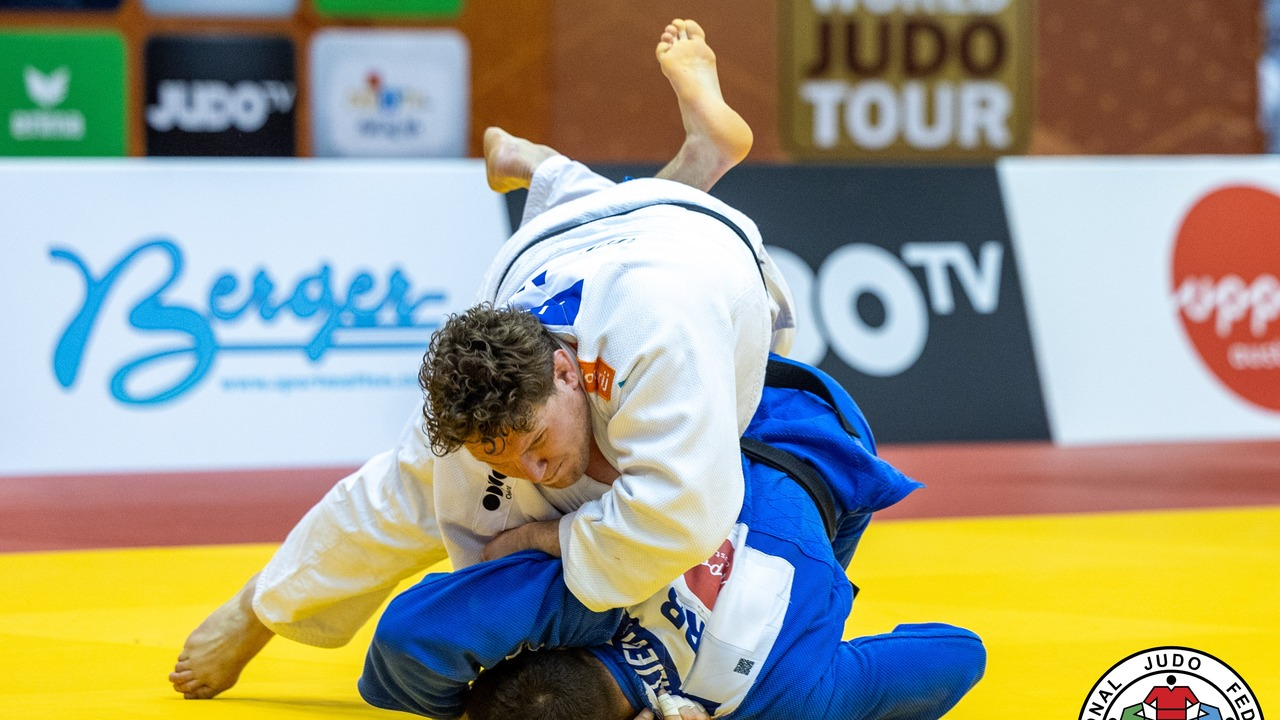
Serbian judoka Vidak Maljević has been entered in the over-100 kg division at the Pan American Open in Lima on 18 August. It is the next confirmed competition on his international calendar. Maljević travels to Peru after three podium finishes this season.
The 21-year-old won the European Open in Sarajevo in July, having previously taken bronze in Prague and silver at the European Cup in Dubrovnik. The trip to Lima extends his active senior season beyond Europe.
Three European medals confirm his recent form
Maljević has medalled at three of his most recent events. That run shows he can cope with several fights in a single day. Each tournament brought a different style of opponent in the heavyweight division. His victory in Sarajevo was the strongest result of his summer. He reached gold by winning through the whole tournament bracket. The bronze from Prague and the silver from Dubrovnik show that the success was no one-off.
The Pan American Open brings a different line-up and a fresh senior draw. Maljević can use a calm grip fight against rivals he meets less often.
| Competition in 2026 | Result |
|---|---|
| European Cup in Dubrovnik | Silver |
| European Open in Prague | Bronze |
| European Open in Sarajevo | Gold |
The heavyweight contest is decided before the main attack
Grip position controls many of the exchanges in the over-100 kg division. A judoka who takes the stronger grip first can unsettle an opponent’s posture. That control opens a safer route into the throw. Footwork stays important whatever the weight of the competitor. Standing still lets an opponent set up and use full power. Short steps change the angle before an attack begins.
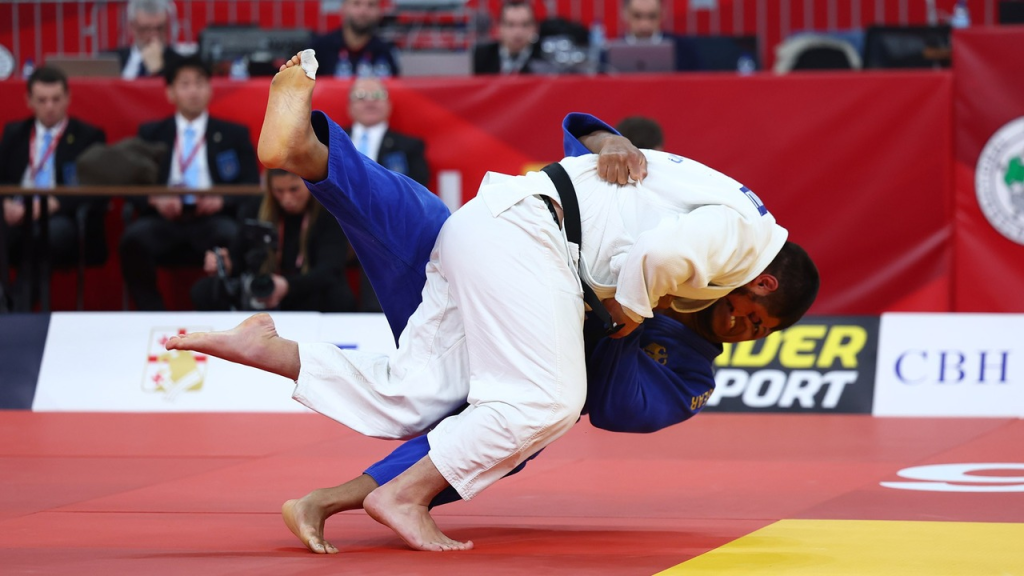
Two heavyweight judoka execute a throw during an international bout.
Penalties can also decide a close contest. A competitor who avoids action quickly loses tactical freedom. Maljević therefore moves actively, but leaves no room for an easy counter.
A confirmed entry puts Maljević in the heavyweight class
The athlete’s official profile lists Lima as his next competition.
His registered category is over 100 kg. The tournament begins on 18 August, two days after this article. Timing the warm-up correctly matters because the breaks between bouts vary. The athlete must stay ready without wasting energy. His coach tracks food and fluid intake and movement between appearances on the mat.
The draw may bring an experienced opponent as early as the first round. There is little time to study a rival during the bout itself. Preparation relies on recordings, recent results and data on the throws a rival usually uses.
Lima offers ranking points and senior experience
A result at the open earns points for the international ranking list. A better position may later affect the draw, but one tournament does not change the whole list. Regular results across the season carry more weight. The trip to Peru also brings experience outside Europe. Travel, climate and a different schedule all affect preparation. Managing those details well helps ahead of the next major events.
Maljević is still early in his senior career. Three podium finishes in 2026 give him a solid base. Lima is a fresh chance for a result beyond the European circuit.
Serbian judo adds another individual story
Serbia has notable judo results across several weight categories. The heavyweight division now has a young competitor who regularly collects senior bouts. Maljević’s progress deserves attention beyond the days he wins medals. His season can be followed through published results. Silver in Dubrovnik, bronze in Prague and gold in Sarajevo show a consistent presence near the top. The Pan American Open is the next confirmed step.
The final verdict on his form will come from the bouts on the mat. Maljević arrives with a confidence built on results. His plan is to establish his grip, stay active and treat each bout as a separate problem.
The competition day begins with a controlled warm-up
Heavyweight competitors go through official weigh-in and an equipment check. The judogi must meet the rules on size and material. Any problem is solved before entering the area leading to the mat. The warm-up raises body temperature without tiring the athlete unnecessarily. Short movements and controlled entries prepare the main patterns. Full-power throws are kept back until the first bout.
Before the first bout the coach gives a short tactical instruction. Maljević relies on his preferred route to the grip and a ready response to the rival’s main attack. Further details can wait for the break after the first bout. A calm opening minute reveals the opponent’s balance and reactions. Maljević can then increase the pressure from a stable position. That approach produces active judo without giving the rival an easy point.
The draw shapes Maljević’s route through the tournament
The official draw places each judoka in a section of the tournament bracket. Maljević then learns his first opponent and the possible path ahead. He cannot choose his rival or move into a different quarter of the draw. A win keeps a direct route towards a medal. A defeat to a later semi-finalist can open the repechage, according to the competition rules. That route also demands new wins before the bronze medal contest. Every bout at an international tournament starts from zero. An earlier ippon does not carry points into the next round. The advantage is less time spent on the mat, but the next opponent may enjoy the same rest.
Penalties can also decide a tight contest. Passivity, avoiding grips or leaving without a justified attack can bring a shido. A third penalty ends the bout against the penalised judoka. After the draw, Maljević has a clear task. He prepares for one opponent, respects the rules and recovers before the next appearance. The tournament path opens one step at a time.