
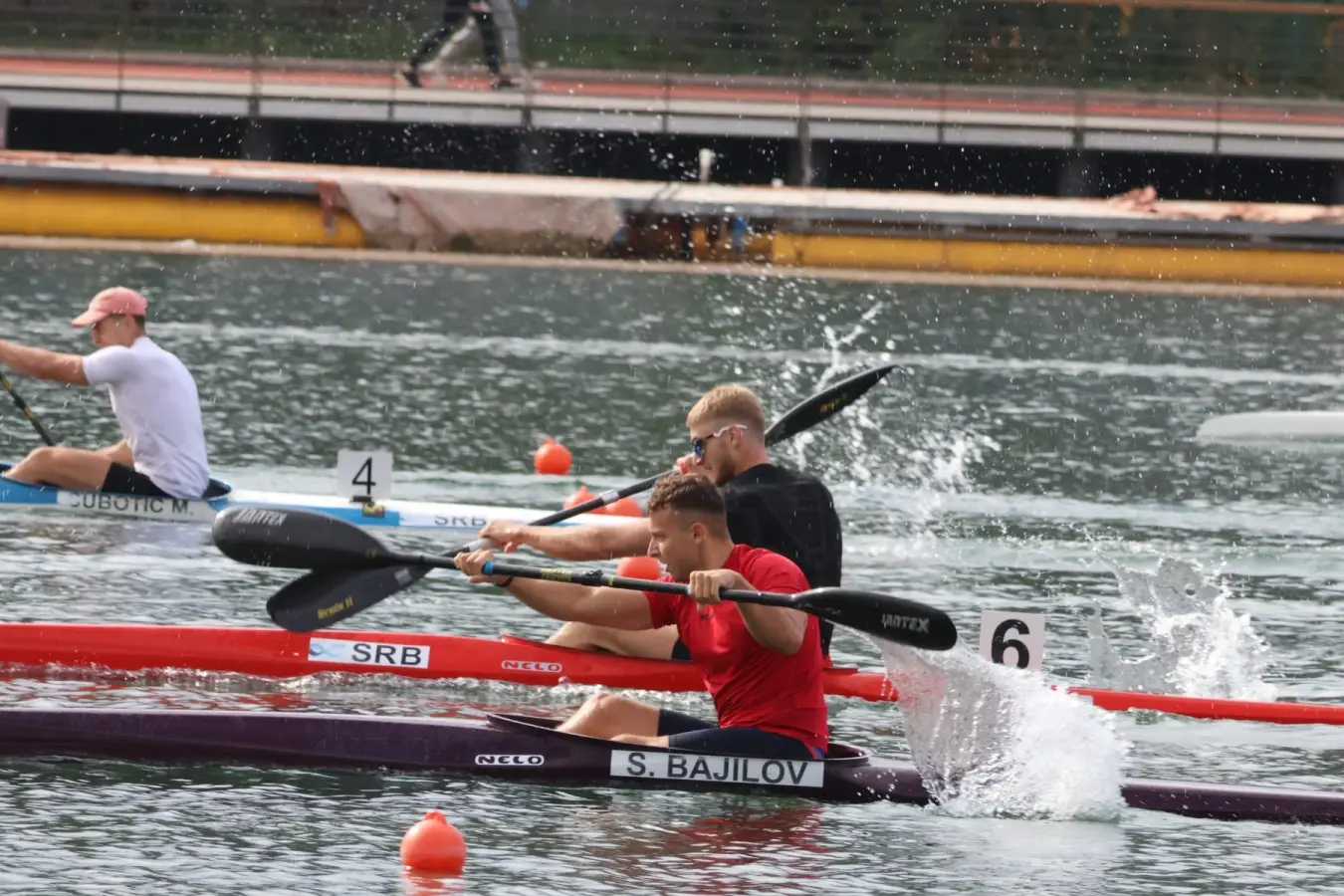
Tarkett took the team title at the Serbian Canoe Sprint Championships, held from 1 to 4 September at Ada Ciganlija. Athletes from 23 clubs took part in the pioneer, cadet, junior and senior categories. Dunav ended the competition with the highest total number of medals, while the team standings rewarded results across the whole programme rather than a single race or age group.
A team title measures breadth across the programme
Tarkett did not become champion on the strength of one final alone. A club has to score points in different boats, disciplines and age groups. Coaches decide in advance where each athlete can contribute most without overloading the schedule. The final table therefore also reflects preparation before the event. One outstanding individual can change several races, but a national team title usually requires dependable results from a much wider group.
Dunav’s medal count shows a different kind of strength
Dunav won the most medals, while Tarkett led the team standings. Both facts can be accurate because a medal count and a points system do not value every place in the same way. One club may collect more medals in parts of the programme that carry different weight, while another wins more points in the decisive finals. That difference should be kept clear rather than merged into a made-up shared table.
| Championship detail | Confirmed information |
|---|---|
| Dates | 1 to 4 September |
| Venue | Ada Ciganlija Regatta Centre, Belgrade |
| Number of clubs | 23 |
| Team champion | Tarkett |
| Most medals | Dunav |
Four age groups share one major competition
Pioneers, cadets, juniors and seniors all raced at the same regatta centre. Younger athletes can see the standard set by experienced competitors, and clubs get an overview of their whole development system. Expectations still have to match the age group, though. A pioneer final should not be judged by the same physical power as a senior race. Technique, pacing and sticking to an agreed plan can show progress well before an athlete reaches the oldest category.
Ada Ciganlija set a demanding schedule
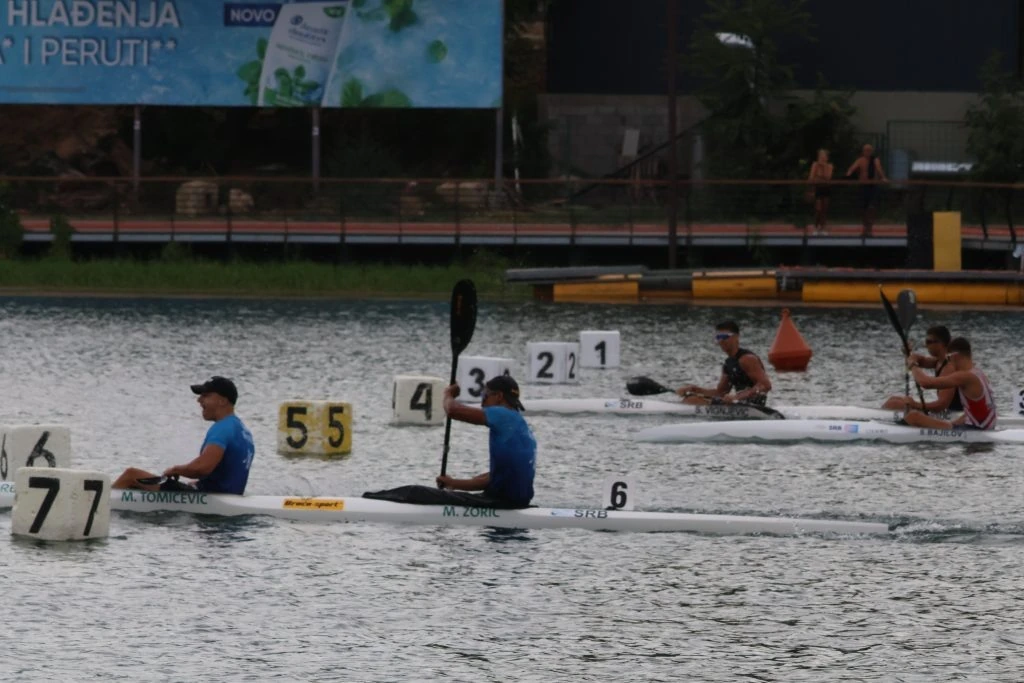
Four days of racing demand orderly starts, safe movement on the water and enough time to recover. Conditions change over the course of a day, so comparisons should rest on official results rather than impressions from different sessions. Wind and water can alter how a race looks, but every athlete still has to carry out their own plan. The Belgrade regatta centre gave 23 clubs a shared venue for a serious home test.
Crews turn individual form into a shared rhythm
In multi-seat boats, several athletes must deliver their power at the same moment. A crew made up of strong individuals can still lose speed if the rhythm breaks down under pressure. Training therefore covers the start, changes in stroke rate and settling the boat after a sprint. At a national championship these details show how well athletes from the same club have worked together. A team result is more stable when individual and crew training complement each other.
Official documents keep the full picture intact
The Serbian Canoe Federation published separate documents for qualifying heats, finals and team placings across the age groups. These should be used whenever an exact placing in a particular race is needed. A short report can explain the overall winners, but it cannot reliably compress the whole programme into one table. Checking the correct document prevents qualifying times from being mixed up with finals, or junior placings with senior ones.
The home championship gives selectors material to work with
A national competition provides fresh information on form, technique and how athletes cope with a full schedule. It need not be the only selection test, since the federation may combine several regattas with training assessments. Strong performances at Ada Ciganlija strengthened the case for individual athletes and gave coaches new points of comparison. Those who fell short of their goals received precise material for the coming period, not just a general impression from training.
The championship leaves two clear conclusions
Tarkett can point to the team title, while Dunav has the highest medal count. The wider takeaway is that 23 clubs brought athletes from the youngest national category up to the seniors. Such a range shows the state of the domestic base. The next step is not to repeat every figure, but to review where each club scored points, which crews improved and who is ready for a tougher international challenge.
Two awards measure different kinds of breadth
Tarkett’s team title follows the championship’s points system, while Dunav’s medal count shows how often its crews finished among the best. One figure does not cancel out the other. Clubs can therefore analyse points across disciplines separately from the conversion of finals into medals. That explanation gives a fuller picture than an attempt to reduce every result to a single list.