
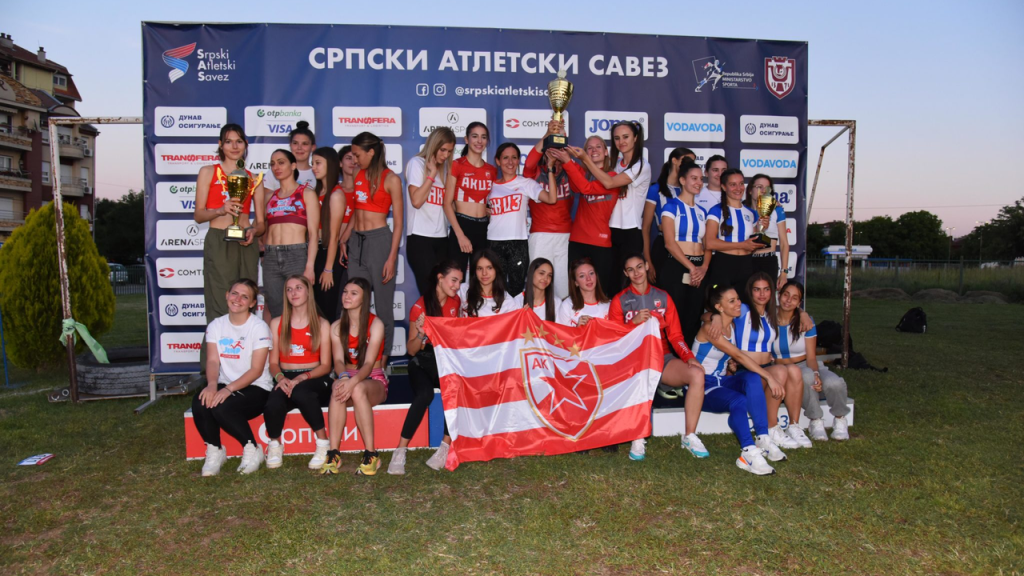
Members of the Serbian athletics clubs stand together in front of the federation’s backdrop.
Serbia’s senior clubs have wrapped up the team national championship in Kraljevo. The programme covered running events, jumps, throws and relays.
The meeting also carried World Ranking status, so the results counted for more than club points.
The public results sheet highlighted several strong performances. Most attention went to the sprints, hurdles and triple jump.
Hurdles races opened the main run of results
Bogdan Vidojković ran the senior men’s hurdles in 14.10 seconds. The race had a legal wind and counted for the club competition.
Stefan Đonić clocked 14.19 in the under-20 race. His time was also run with a legal wind.
Anja Lukić led the women’s hurdles with 13.36. It was one of the best results on the meeting’s public list.
These races showed good depth across age groups. Seniors and younger competitors were part of the same programme.
Hurdling demands clean technique and speed. A small error can change a personal best and the points a club receives.
The Kraljevo races ran at a good pace and produced clear leading marks. A legal wind makes them easier to compare.
Each athlete represented a club rather than a regional or national selection. That is why every placing added to the team total.
The system gives value to lower places too. An athlete can help the club without winning an event.
Relays added another team element near the end of the programme. Each club had to field four reliable changeovers.
In the latest check, the organiser’s public results did not include the final team tables for the men’s and women’s clubs. The winners should not be named before the table is published.
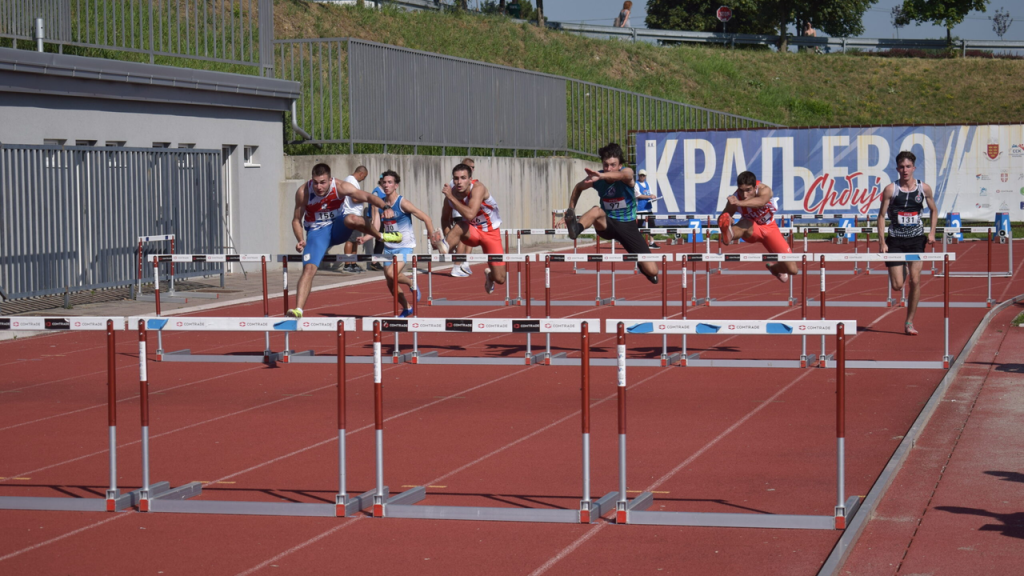
Serbian athletes compete in the hurdles race on the track in Kraljevo.
The women’s sprint produced a close finish order
Tamara Milutinović finished the 100 metres in 11.87. Ivana Ilić recorded 11.91 in the same race.
The narrow gap made the sprint very compelling. Both athletes ran with a legal wind.
Those times earned important points for the clubs. They also confirmed the quality of Serbian women’s short sprinting.
The men’s and women’s programmes shared a similar base. The short events were linked to the middle-distance and technical disciplines.
Officials measured the wind for the short sprints and horizontal jumps. That reading decides whether a result can go into the standard lists.
The wind limit matters because a strong tailwind can improve a time. The highlighted sprint results stayed within the limit.
The team format keeps clubs at the centre of the competition. Athletes chase personal bests, but every placing shifts the table.
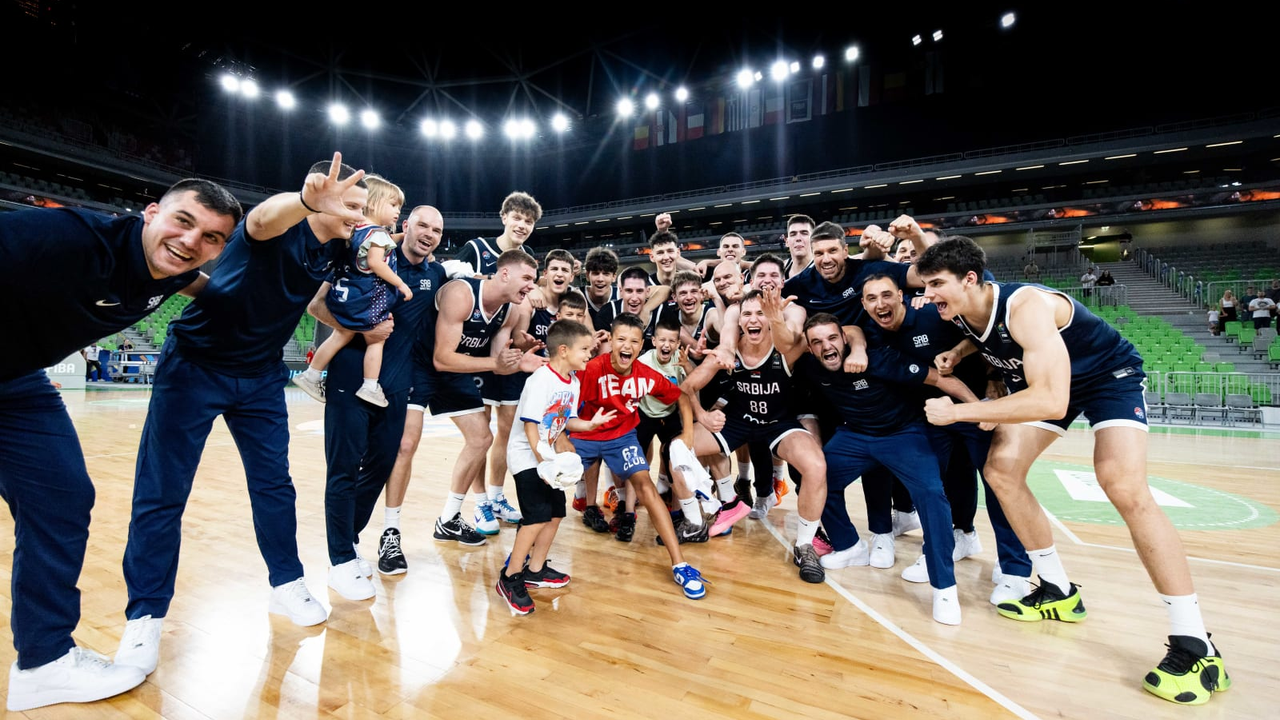
The Serbia women’s under-20 basketball team finished the European Championship with a silver medal on the same day.
Experienced seniors and younger athletes competed in Kraljevo. That mix allowed a useful comparison between generations.
The public results list remains the main source for individual performances. The missing club table is a separate part of the report.
Among the athletes highlighted were representatives of OAK Beograd, Crvena zvezda, Vojvodina and Sirmium. Several clubs produced leading marks.
That breadth matters at a team championship. Different club strengths bring points on the track and in the field.
The wider programme tested every club beyond these highlighted leading performances.
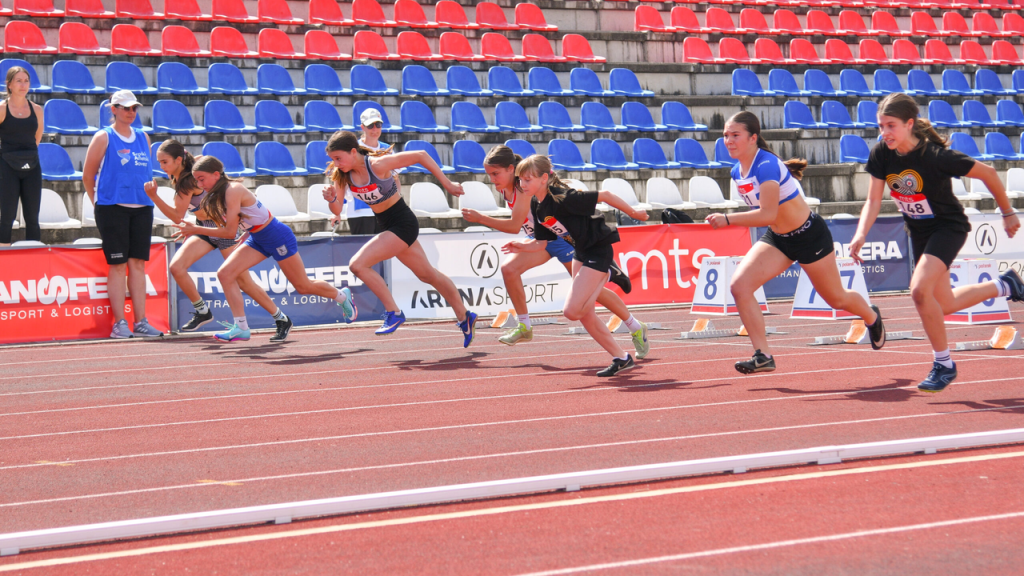
Serbian sprinters are out of the blocks during a domestic athletics meeting.
Triple jump produced the leading marks in the field
Razmik Gazarjan reached 15.85 metres in the men’s triple jump. The mark was set with a legal wind.
Ivana Španović recorded 13.63 in the women’s triple jump. Her effort came with a light headwind.
Stela Ćuk added 12.98 in the under-20 category, putting another young athlete among the standout competitors.
The jumps rounded out a varied run of good performances. Seniors, senior women and younger competitors all turned in notable showings.
The triple jump demands steady speed through all three phases. A valid attempt also depends on control at the take-off board.
Official measurements and wind readings make it possible to judge each attempt. They separate valid marks from those affected by an overly strong wind.
Kraljevo therefore did not hinge on a single headline discipline. The hurdles, the sprints and the jumps all delivered results worth noting.
The championship also showed the difference between a team meeting and an individual final. Results from every discipline feed into a combined total.
The top marks were spread across several Serbian clubs. No single team controlled all of the highlighted groups of events.
That is another reason to wait for the full table. The selected individual results do not reveal the final club standings.
The completed programme nonetheless gives a clear picture of the best performances. It also shows a good breadth between clubs and age categories.
The published individual results confirm what happened on the track and in the field. The full table from the organisers is needed for the final club standings.
Until it is released, the safest conclusion concerns the performances themselves. Serbian athletes recorded a number of good marks, correctly measured.