
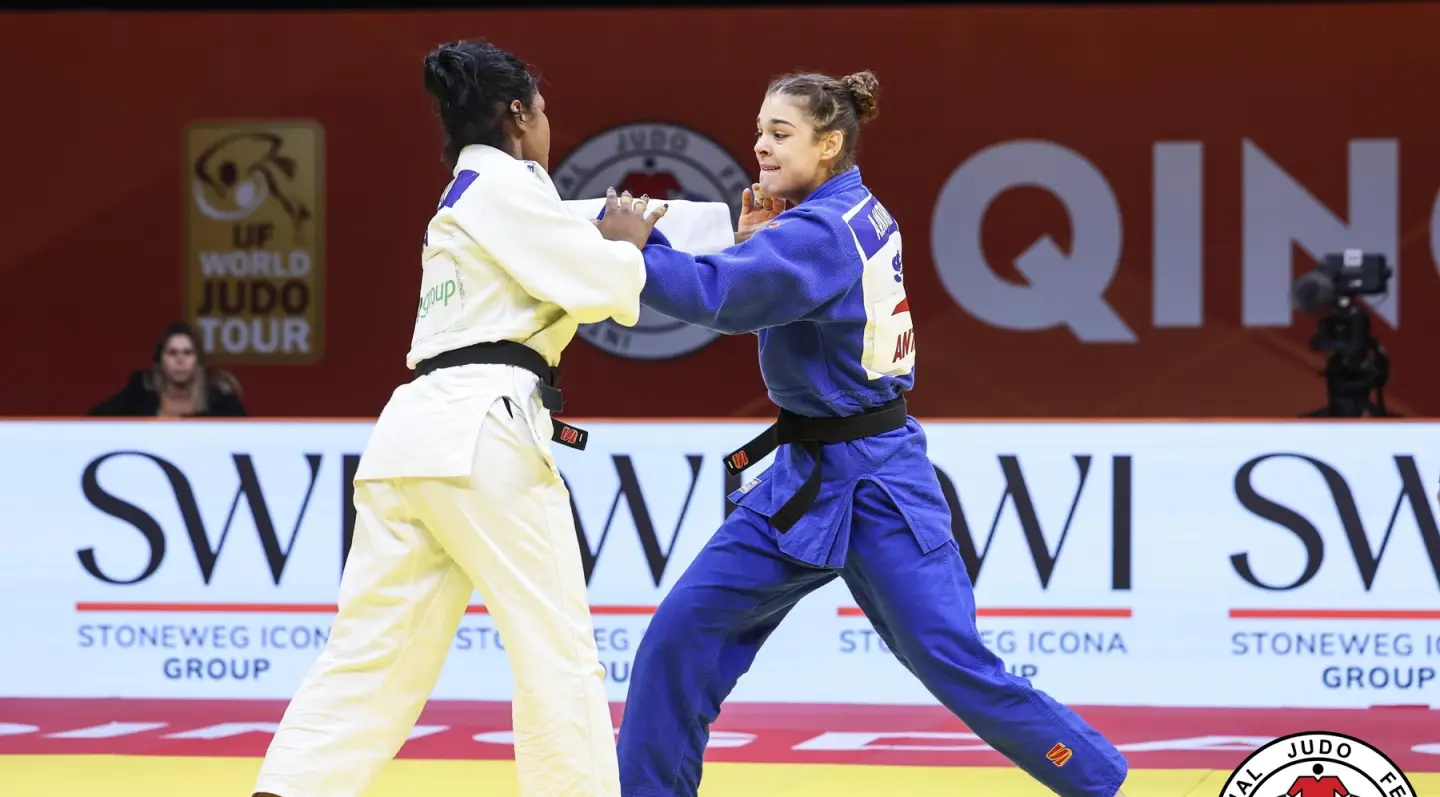
Serbian judoka collected four medals at the Mediterranean Games in Taranto. Aleksandra Andrić and Milan Bulaja each finished their finals with silver, whereas Jovana Stjepanović and Igor Vračar came out on top in their bronze medal contests. Every result is tied to a separate weight category and a separate route through the tournament.
Andrić reached the final in the under-70 kg category
Aleksandra Andrić won her earlier rounds and earned a bout for gold. In the final, Elisavet Teltsidou of Greece took the win by waza-ari, so the Serbian judoka settled for silver. A defeat in the last contest does not erase the path that led her to the final. The medal confirms that Andrić stayed in contention for the top spot right up to the closing bout of her category.
Bulaja took Serbia’s second silver of the day
Milan Bulaja competed in the under-100 kg category and advanced to the final against Egypt’s Omar Ashraf Gamaleldin. The Egyptian judoka won by waza-ari, leaving Bulaja in second place at the end of the tournament. His result belongs to a different category and a different bout from Aleksandra Andrić’s final, so the two silvers should be described separately.
| Athlete | Category | Medal |
|---|---|---|
| Aleksandra Andrić | Under 70 kg | Silver |
| Milan Bulaja | Under 100 kg | Silver |
| Jovana Stjepanović | Under 78 kg | Bronze |
| Igor Vračar | Over 100 kg | Bronze |
Stjepanović secured bronze with an ippon
Jovana Stjepanović beat Tunisia’s Arij Agueb in the bronze medal bout in the under-78 kg category. An ippon ended the contest and gave her third place. The bronze bout is the last chance to bounce back after an earlier defeat, so an athlete has to regain focus quickly. Stjepanović took that chance and finished her tournament with a win.
Vračar won his bout in the heaviest category
Igor Vračar faced Algeria’s Mohamed El Mehdi Lili in the over-100 kg category. The Serbian judoka won on the strength of a yuko lead and claimed bronze. That scoring applies only to his bout and should not be read across to the other results. Vračar’s medal rounded out the performance of the four Serbian competitors on the day.
Four separate draws produced the overall medal count
Judo is contested in individual categories, even when athletes represent the same country. Four Serbian competitors advanced through four separate draws and won two silvers and two bronzes. Andrić and Bulaja reached the finals, while Stjepanović and Vračar won their bouts for third place. The overall tally came from four distinct paths.
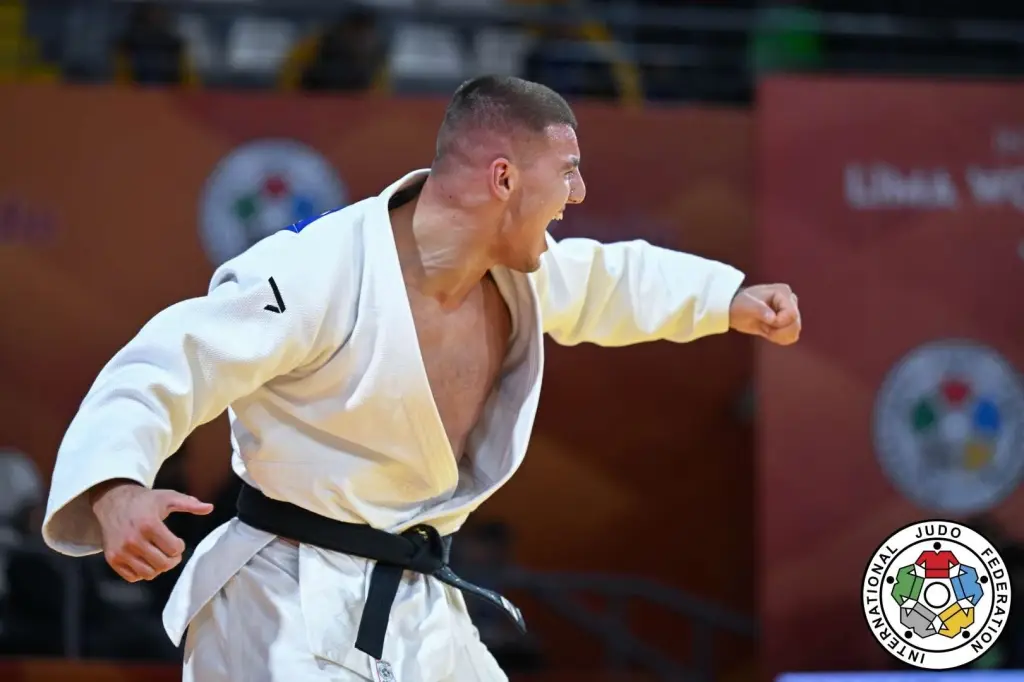
Different categories call for different tactical decisions
The pace and style of movement differ between lighter and heavier categories, but control of grips, balance and the right moment to attack matter to everyone. A judoka has to judge when to commit to a throw and when to guard against a counter. The Serbian competitors found their way to a medal in several categories, yet any conclusion about each performance has to rest on that athlete’s own bout.
Taranto ended with two silvers and two bronzes for Serbia
The contests in Taranto are over and the medals have been awarded. Andrić and Bulaja took silver, while Stjepanović and Vračar took bronze. Upcoming tournaments may change form and rankings, but they will not alter these Mediterranean Games results. The tally also reflects success in both the women’s and men’s categories, across several weight groups.
The final tally rests on four names
Two silvers and two bronzes are the sum of individual finishes. Andrić, Bulaja, Stjepanović and Vračar each held their own category and result, and together they brought Serbia four medals. That spread shows the depth of the squad without merging distinct bouts into one shared contest.
Recovery between bouts is part of the tournament result
Winning a medal in judo often takes several bouts in a single day. Competitors have to cool down, replace fluids and prepare for an opponent with a different guard or grip. Those who fight for bronze also need to recover after an earlier defeat. The four Serbian medallists went through those changes and returned to the mat with a clear plan. That part of the preparation still matters even when a report lists only the final outcomes.
The coach prepares the next grip battle
Between rounds a coach can point out an opponent’s guard and the grip from which they most often launch an attack. The competitor then needs one or two clear instructions, not a complete change of technique. The Serbian medallists adjusted to different rivals before their final bouts, and that work is part of their result too.