
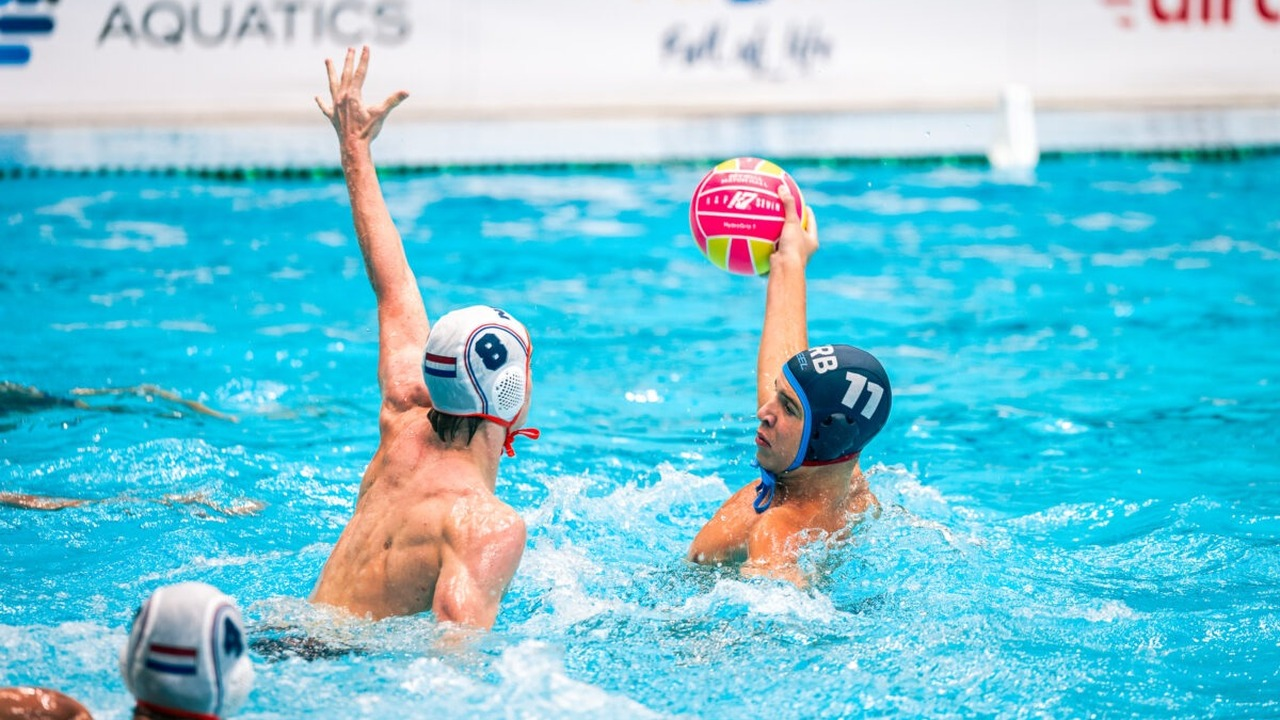
Serbia overcame Georgia 15:2 at the Under-16 Water Polo World Championship. Georgia opened the scoring with the first two goals, but Serbia then took complete control of the match.
The Serbian side conceded no goal over the next 22 minutes. Fourteen consecutive strikes turned a shaky start into their third convincing victory.
Georgia led 2:1 after the first quarter
Georgia struck early twice to lead 2:1. Serbia had not expected to begin the game from that position. Their response started with a stronger defence around the centre. Serbian players cut off the passing lanes and pushed their opponents into shots from less favourable angles. The goalkeeper backed up the change with composed saves. Georgia could no longer create clear chances close to the Serbian goal.
Serbia also grew more patient in attack. Rather than taking the first shot available, the team moved the defence around before finishing. These adjustments turned the match before half-time. Georgia’s early advantage disappeared, and Serbia began a long run without conceding.
Serbia then scored fourteen goals without reply
Serbia won the second quarter 5:0 after trailing in the first. The same pattern continued afterwards. Four more unanswered goals arrived in the third quarter. Serbia kept their focus in defence even with a large lead. The final period ended 5:0. Serbia had therefore played three full quarters without conceding another goal.
That sequence lasted 22 minutes of play. It was built on a series of saves and calm attacks at the far end of the pool. The Serbian side did not rely on a single main scorer. Several players found space and finished moves from different positions.
Serbian players during the Under-16 water polo match.
Nine Serbian players found the net
Krečković and Munćan scored three goals each. Milutinović and Lazić added two apiece during Serbia’s big run. Abadžić, Grgić, Gudurić, Frenc and Čubrilović also made the scoresheet. Responsibility in attack was spread evenly across the squad. That kind of distribution matters at a tournament with frequent fixtures. An opponent cannot focus its entire defence on one player.
Younger members of the squad gained useful minutes on the world stage. Serbia rotated their line-ups without losing their basic organisation. Georgia kept fighting, but could not withstand Serbian pressure. The final 15:2 came after a complete turnaround from the opening minutes.
Serbia secured their third win in the group
This result followed wins over Puerto Rico and the Netherlands. Serbia have therefore maintained a strong start to the world championship. Serbia’s next group-stage opponent will be Canada. That match offers another chance to prepare for the closing stages of the competition. The clash with Georgia showed that Serbia can correct a poor beginning. The players did not panic after conceding the first two goals.
Serbia’s solid defence drove a full turnaround in the pool. Once Georgia stopped reaching good positions, Serbia built their attacks more calmly. The final margin was large, but the response mattered most. Serbia moved from 1:2 to fourteen goals without reply.
Serbia won the last three quarters 14:0
Georgia took the first quarter 2:1 after two early chances went in. Serbia then won the second quarter 5:0. The third ended 4:0, followed by five more Serbian goals. Each subsequent quarter produced the same defensive standard.
Serbia picked up the tempo in attack without conceding at their own end. The team kept closing off passing lanes even after building a large lead. The final 15:2 came over three complete quarters. Georgia had made an early lead, but after the first period they did not score again.
Serbia had nine different scorers
Youth world championships bring many matches in a short space of time. The coaching staff must conserve energy and keep the team’s rhythm. The spread of goals helped Serbia shift responsibilities against Georgia. Five players scored one goal each, while four others scored more.
The whole line-up also took part in defence. New players came on without opening easy passes around the centre. Canada present a different challenge in the next match. Serbia go into that duel with three wins and a large number of players involved.
Georgia failed to score after the first quarter
Serbian defensive actions often ended with a calm first pass rather than a risky long ball. That choice reduced the number of turnovers. The team then moved the ball until good space opened up. More goals came after an extra pass rather than the first shot.
Georgia had fewer counterattacking chances, because Serbia finished their attacks from balanced positions. Serbian players stayed alert behind the ball after every possession. The link between defence and attack sustained the long run of goals. Serbia controlled both ends of the pool, not just the finishing move.