
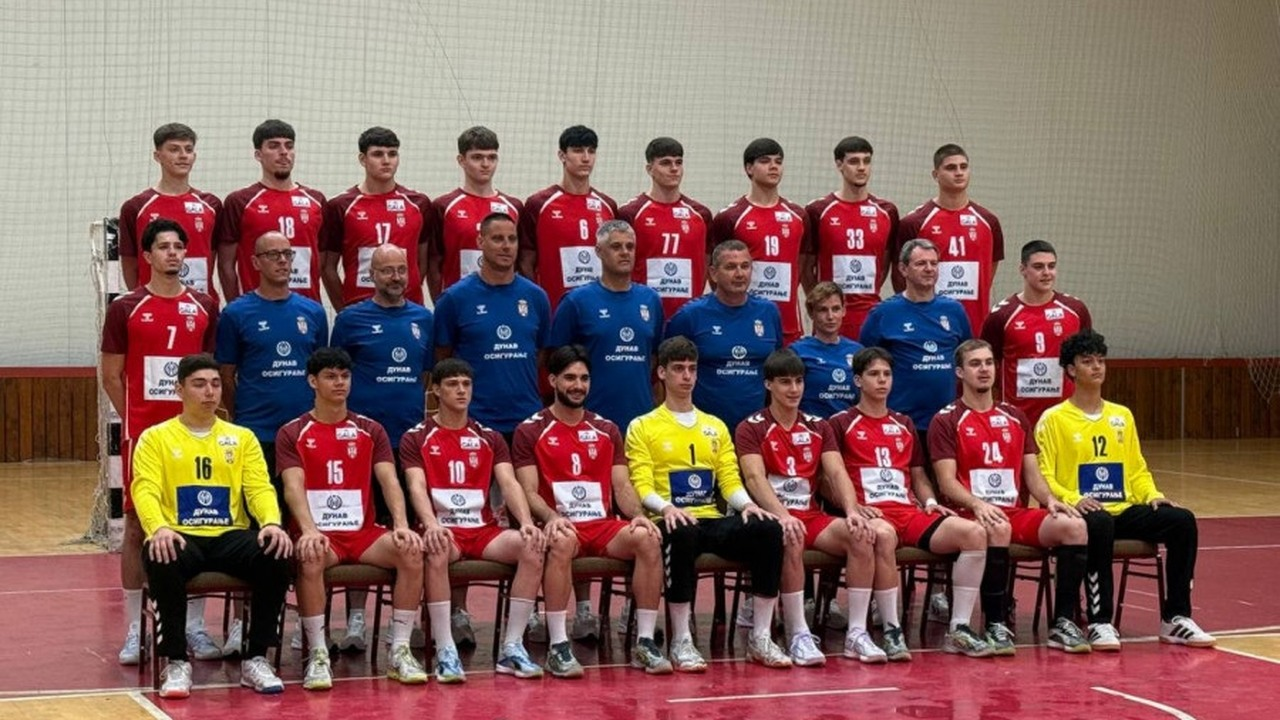
Serbia open their European Under-18 Handball Championship against Türkiye in Belgrade. The first group match is played on Wednesday evening. Germany and Italy are in the same group.
Belgrade hosts 24 national teams from 29 July to 9 August. Matches are played across three halls. The final weekend takes place at the “Aleksandar Nikolić” Hall.
Belgrade prepares for a major handball event
Serbia is staging a major international handball tournament after a long break. The federation has readied three halls for a programme lasting eleven days. During the opening phase, several matches will run at the same time.
Most of the action will take place at the “Professor Dr Branislav Pokrajac” Hall. Group-stage games will also be held at “Šumice”. The “Aleksandar Nikolić” Hall will host the closing matches.
The teams are split into six groups of four national sides each. Every team plays three matches in the first phase.
Each opening result shapes what follows. The best sides move into a shorter main round. Results from that stage decide who reaches the quarter-finals.
European Handball Federation representatives arrived before the first matches. They inspected the halls, training grounds and match operations. The hosts have also completed their final preparations with the volunteers.
Serbia begin against Türkiye
Serbia’s first opponent is Türkiye on Wednesday evening. Meetings with Germany and Italy follow that match. These three results will determine progress to the next stage.
Aleksandar Brković coaches the Serbia Under-18 side. Serbia completed the final part of their preparations in Belgrade. The players are ready for the opening match.
Serbia’s captain at the tournament will be Uroš Perić. He has described the home crowd as an important source of support. The squad will play in front of a home crowd for the first time.
The group brings together different handball schools. Germany arrive with a large pool of young players. Italy and Türkiye have also earned their places in the expanded championship.
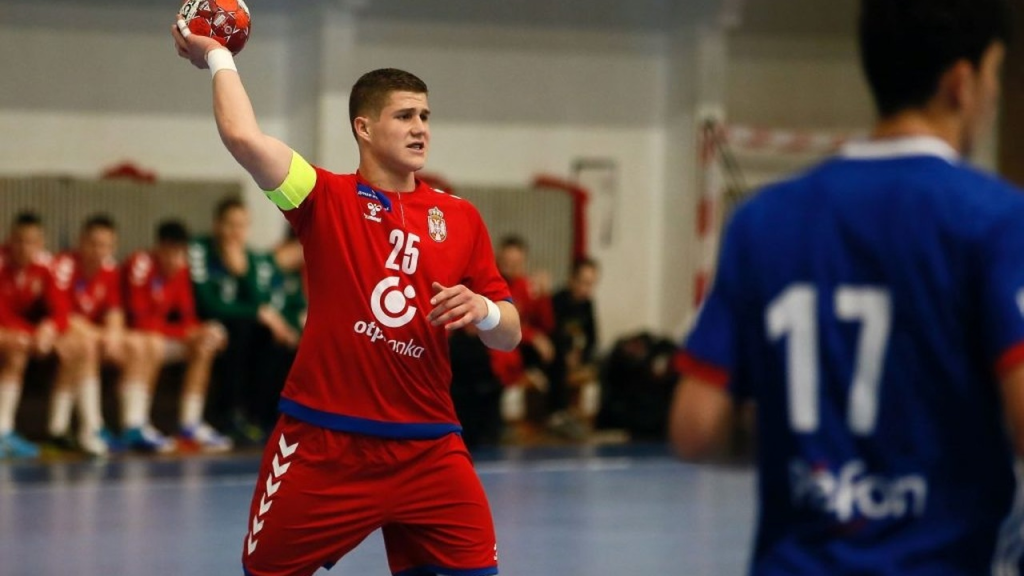
Serbia open the tournament with a match against Türkiye.
Serbia will play two matches on consecutive days. After one rest day comes their final group game. That is why recovery and preparation form an important part of the schedule.
Young players get an international stage
For many players this is their first major tournament. Some already feature for senior sides in domestic leagues. Others are completing their first full season with the national team.
Hosting the event at home brings bigger crowds than most youth competitions. Families, club coaches and young fans can attend the halls. The players will perform before a larger home audience.
Coaches from leading European youth selections are also in Belgrade. They are watching how players respond to pressure and short recovery times. Those experiences become important when players move up to senior handball.
Serbian clubs have supplied players from several development centres. The national team brings together their different club habits. Preparations were therefore focused on a shared rhythm and defence.
Each team plays three matches in the group phase. Players therefore have to help against three different rivals. Sides that progress receive further international matches.
How the teams reach the final
Two teams from each group enter the main round. The qualified national teams then form three new groups. These results decide the eight quarter-final places.
| Competition | European Under-18 Handball Championship |
|---|---|
| Host | Belgrade |
| Serbia’s group | Germany, Serbia, Italy and Türkiye |
| First match | Serbia against Türkiye |
The top two teams from each new group go through automatically. They are joined by the two best third-placed national teams. Because of that rule, the final matches of the main round matter a great deal.
After that, the knockout phase begins. A quarter-final defeat ends a team’s title hopes. Winners move on to the semi-finals and the medal matches.
Serbia first face three familiar opponents. They play Türkiye first, then Germany. Their final group rival will be Italy.
On day one, twelve matches are played across three halls. Serbia’s evening game closes the programme in their hall. That fixture opens the host nation’s European Championship.
All three halls are in use on day one
The opening day brings matches from all six groups. Organisers are splitting the schedule across the three chosen halls. That way every national team starts its tournament on the same day.
Training grounds remain available while matches are played elsewhere. Teams have separate times for transport from their hotels. Short distances across the city help players recover.
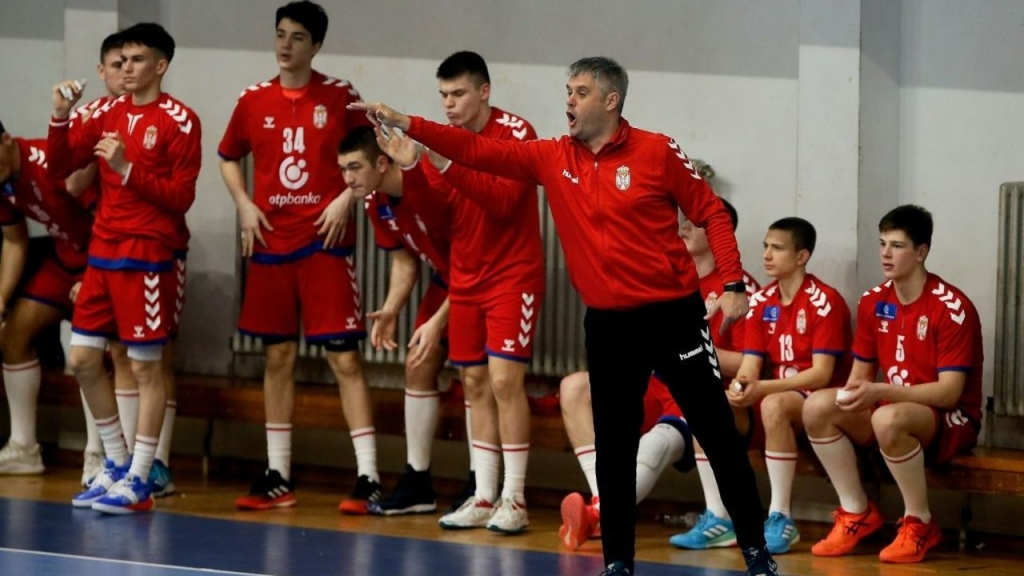
Serbia’s under-18 handball side is playing its group stage in front of the home crowd.
Serbia’s match is in the evening, following earlier games in their group. The host therefore takes to a court that has already been used that day. Arena staff prepare the surface again before the match.
The day’s schedule lets fans watch several national teams. The ticket covers a few youth sides in the same arena. As a result, the players receive more attention than they would at regular fixtures.
The closing rounds carry the strongest teams into the knockout phase. The Aleksandar Nikolić Hall then welcomes its largest crowd. Medal matches bring the championship to a close on 9. avgusta.
Group results shape what comes next
Serbia face Turkey, Germany and Italy. Each game produces its own result in the table. Only two positions lead straight into the main round.
A win earns two points, while a draw earns one. Goal difference can separate teams level on points. A late goal can shift both the goal difference and the table.
The main round brings together the best teams from the two opening groups. The sides then meet rivals they have not faced before. Those matches decide who takes the places in the quarter-finals.
The remaining teams continue through matches for final placings. In this way they gain extra international games until the end of the tournament. Every side plays more than the first three fixtures.
Serbia enter with a familiar squad, their captain and their coaching staff. The first task is the match against Turkey. The later schedule depends on Serbia’s three results in the group.
The hosts enter a fixed schedule
Dates and venues were confirmed before the teams arrived in Belgrade. Serbia can prepare a separate plan for all three rivals. The short group phase leaves little time between matches.
The result against Turkey goes into the group table. Germany and Italy then bring the remaining points in the group. The table decides who advances, not the form shown in preparation.
Belgrade’s role does not end with Serbia’s matches. The city hosts every group, the placement games and the medal contests. The whole championship stays in one host city.
The Serbian side remains in the same city for the entire competition. The players avoid the travel that is usual at tournaments with several hosts. Training, recovery and matches all follow one local schedule.
Turkey is the first confirmed rival on that schedule. The opening whistle ends the preparation period for both teams. The new group table will be based on the matches played.