
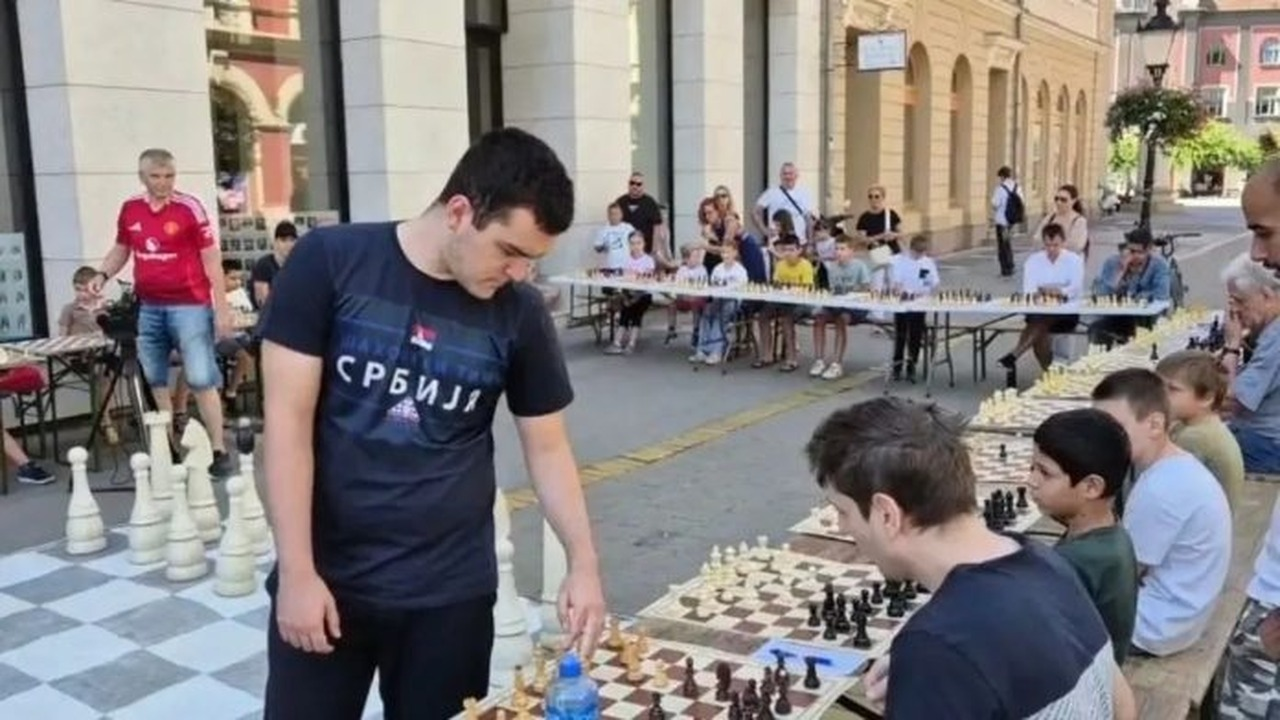
Serbia’s Under-12 chess team has claimed bronze at the European Youth Team Championship. The young Serbian players beat Ukraine in the last round, a win that secured third place in Pardubice for the squad.
Serbia finished with three and a half points from four boards. The line-up featured Leonid Ivanović, Nikola Adamović, Miloš Pašula, Uroš Perunović and Matija Arsenijević. The team was led by Srđan Čarnić and Novak Pezelj.
A convincing final-round win brought the medal
Serbia went into the final round with a real chance of a medal. Ukraine were strong opponents on all four boards. The Serbian side took three wins and one draw.
Those three wins gave Serbia a sizeable team advantage. The draw on fourth board was enough to close the match. Serbia ended the encounter three points clear.
That result mattered because several teams were bunched close together in the standings. A narrow win might not have guaranteed third place. Serbia removed the uncertainty with the best team score of the tournament.
The closing round demanded full focus after several earlier matches. The young players kept an eye on their own positions and on the team score. The emphatic win confirmed the bronze medal.
Serbia had five players for four available boards. Leonid Ivanović and Nikola Adamović were part of that group. Miloš Pašula, Uroš Perunović and Matija Arsenijević completed the squad.
Team competition differs from the individual championship. One player can make up for a teammate’s mistake from earlier in the match. Every half point affects the team’s overall result.
Team captains could change a line-up of four players between rounds. That option helped during the crowded schedule. Each player chosen was given a clear role in the team.
Čarnić and Pezelj led the team throughout the championship. They prepared the players for different opponents and analysed finished games. Their work was an important part of winning the medal.
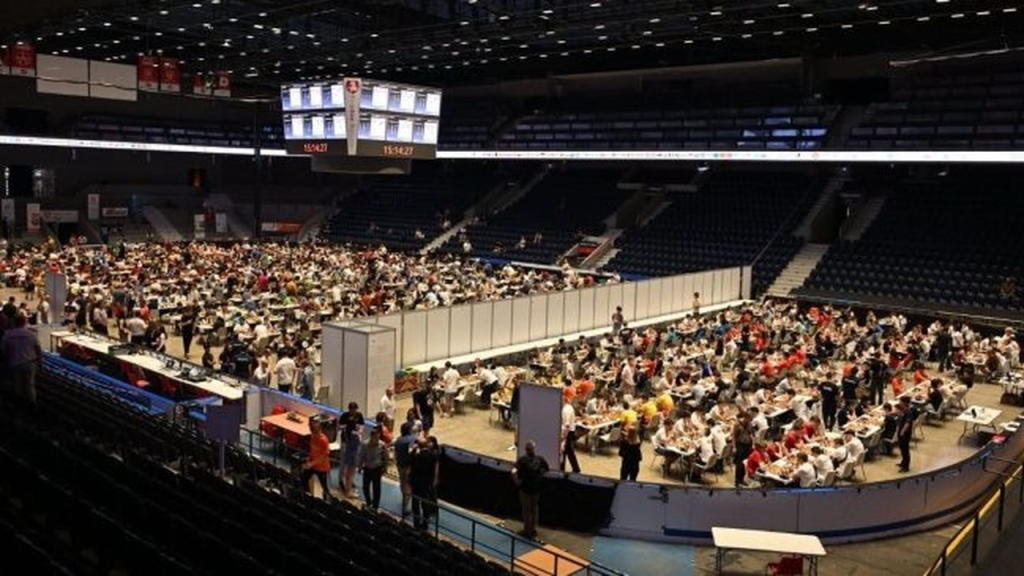
Young chess players compete at rows of boards in a tournament hall.
Pardubice hosted a major youth tournament
The Pardubice championship featured sixty-six teams across several age categories. More than two hundred young chess players took part. Serbia competed in a strong and large European field.
Team events bring a different kind of pressure from individual competitions. A player can sometimes see teammates finish while a game is still running. The last board can then decide the result for the whole group.
Serbia coped well with that atmosphere during the medal race. The win in the final round was enough for third place. The victory over Ukraine completed the job.
Five Serbian players gained experience against different chess schools. The opponents used varied openings and styles of play. Such games are valuable in the Under-12 category.
Serbia did not reach the podium thanks to a single result on one board. The team gathered enough points across the whole tournament. The final round delivered the best possible finish.
A score of 3.5:0.5 shows both quality and consistency. Serbia did not lose a single game in the decisive match. Ukraine therefore could not threaten the team victory.
The players leave Pardubice with a European medal and games they can analyse. The records show how each player reacted under pressure. They will serve as material for future training.
The third place confirms Serbia among the leading Under-12 squads at this championship. Ivanović, Adamović, Pašula, Perunović and Arsenijević won the medal together. Čarnić and Pezelj led the team.
The final result confirmed Serbia’s bronze medal
Medal battles often depend on results in other matches. Serbia simplified its position with a convincing win. Once the games finished, no complicated calculation was needed.
Ukraine took one draw but no wins. Serbia’s three victories decided the team encounter. The last completed game confirmed the bronze.
The bronze medal carries an important international result for every player. It also confirms the ability of young chess players to perform as a team. Individual results combined into the success of the national side.
Serbia closed the championship with its most important win. It beat a strong opponent under the pressure of the final round. That result gave the medal extra weight.
Players and coaches followed every result without disturbing the games still in progress. Once the last board had finished, the whole Serbian squad could celebrate the confirmed bronze.
Each player played several serious international games in Pardubice. The medal rewards the result, and the games remain useful for analysis. Coaches can now review the good decisions and the mistakes made under pressure.