
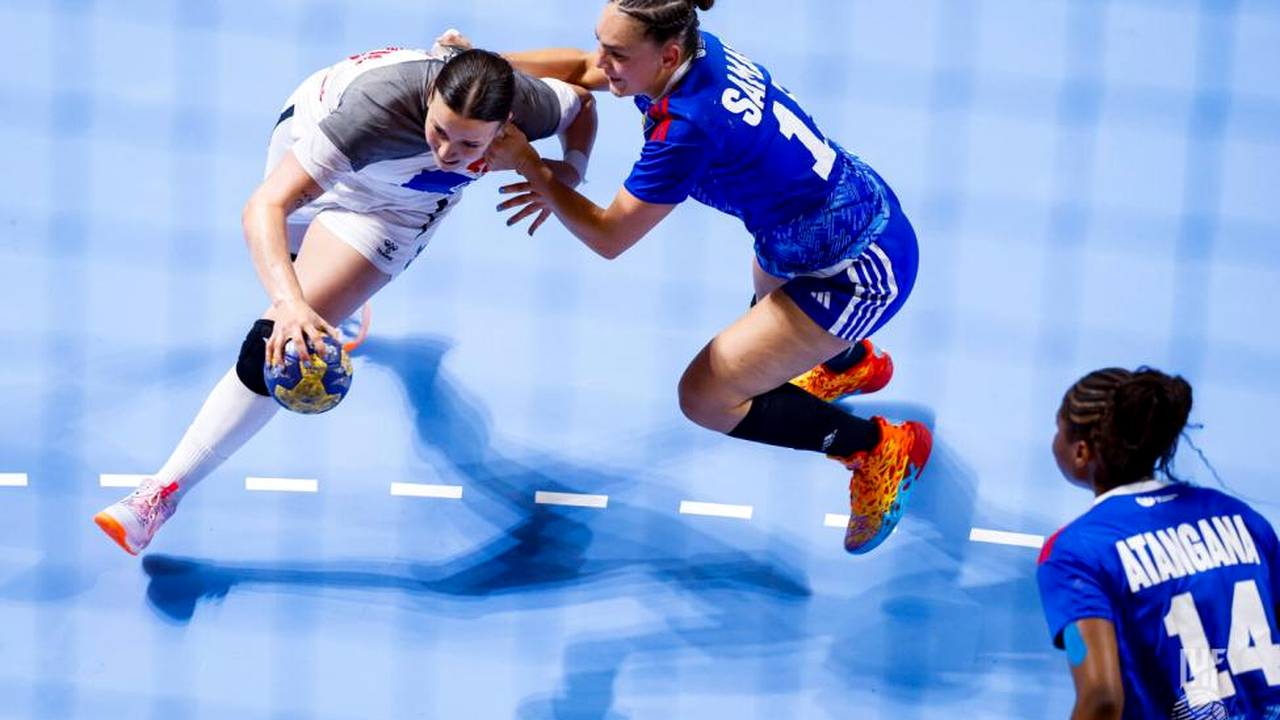
France sent a warning before the knockout stage
The match against France did not decide whether Serbia would reach the quarterfinal, but it showed the level of concentration that now becomes essential. Once the tournament moves into the knockout phase, every lost attack and every delay in getting back carries a higher price.
Serbia had spells where they matched France’s tempo, but they could not hold it for long enough. After several misses and turnovers, France ran with more ease, and that is exactly what the squad must reduce before facing Denmark.
The defeat also arrives at a point where the team still has a game in which it can respond. Fixing habits after an elimination is far harder. Serbia now gets a short but clear window to turn the poor minutes into work for training.
Denmark will look first for empty possessions
The quarterfinal against Denmark will demand a calmer first pass and better balance behind the ball. If the backs attack without support and the wings stay too deep, the opponent will have room for a quick transition. If Serbia keeps one more pass in hand and returns with more structure, the match could take a more controlled shape.
For a young team, the most important thing is that the defeat does not become an emotional burden. It is more useful as a working map: where the attack turned nervous, where the defence lagged, and when the goalkeeper faced too many clean shots. These are details the coaching staff can use straight away.
Denmark will likely try to speed up every Serbian miss. That makes the end of an attack a question of positioning as well as shooting. A player not directly involved in the action must know whether to cover the return, guard the middle or stay ready for a second wave.
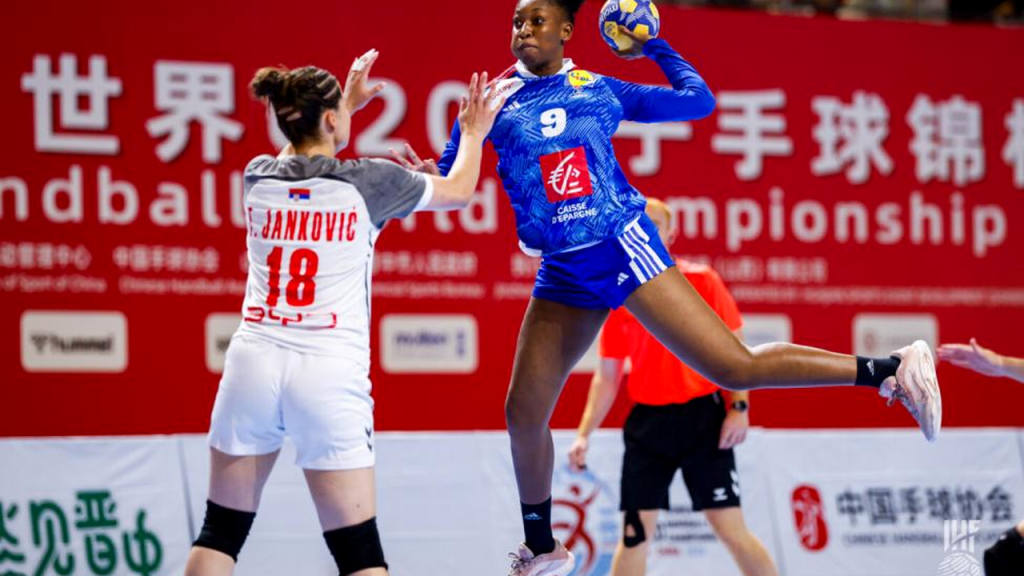
The key picture
| Competition | Junior Women’s World Championship |
|---|---|
| Previous match | France punished Serbia’s mistakes and fast attacks |
| Next opponent | Denmark in the quarterfinal |
| Main task | cut down turnovers and easy goals for the opponent |
The boldness must stay, but the decisions must be cleaner
Serbia should not enter the quarterfinal fearful. On the contrary, the best answer is bold play with fewer gifts. That means attacking space when an advantage exists, but also recognising the moment when it is better to recycle the ball and build a higher-quality shot.
The defence must maintain contact without cheap suspensions. Denmark are strong enough to punish passivity, and patient enough to exploit an unnecessary foul. Serbia’s best spell will probably come when the block is compact, the communication loud, and the first pass after a defensive stop quick but not reckless.
The reaction after the first error will matter especially. Young teams often let one lost possession pull two more behind it. Serbia must break that chain with a simpler decision: a fast return, no argument with the referees, and no shot born of frustration in the next attack.
In attack, the pivot and the backs must create a clear connection earlier. If the ball stays too long on the nine-metre line, Denmark will close the contacts more easily. If the rhythm shifts through a second pass and well-timed movement, Serbia can force the opponent to defend more directions.
The bench must shorten bad runs
In the quarterfinal, a good plan before kick-off is not enough. The team must quickly recognise when the plan starts to break. If Denmark string together a series of counterattacks, Serbia must respond before the gap becomes a mental problem. That could be a timeout, an adjustment in defence, or simply a clearer agreement on the first pass.
The bench’s role therefore becomes larger than the statistics suggest. Players who come on for short spells must bring energy without chaos. One good defensive stop, one smart foul and one calm attack can halt a period in which the opponent is trying to break the match open.
The goalkeeping side also depends on discipline in front of the goal. If shots come from open space, it is hard to ask for saves from the goalkeeper alone. If the block steers the ball and closes the angle, every save can start an attack that does not look panicked.
The quarterfinal now tests the speed of learning
Reaching the last eight is a serious result, but the tournament gives little time for celebration. Serbia must now show that their level can withstand opponents who will punish every soft spell. That is why the match against France should be read not as the end of a story, but as a precise list of corrections.
If the juniors reduce empty possessions, protect the middle after misses and keep their patience when the score turns against them, the quarterfinal with Denmark could become a real test of growth. The key is for the squad to show it can turn a lesson into its next performance.
The result against France does not have to define Serbia, but the answer against Denmark will. Knockout matches do not demand perfection, only stability in the moments when it is easiest to rush. If Serbia manage that, a defeat in the group stage could become a useful turning point rather than a bad trend.