
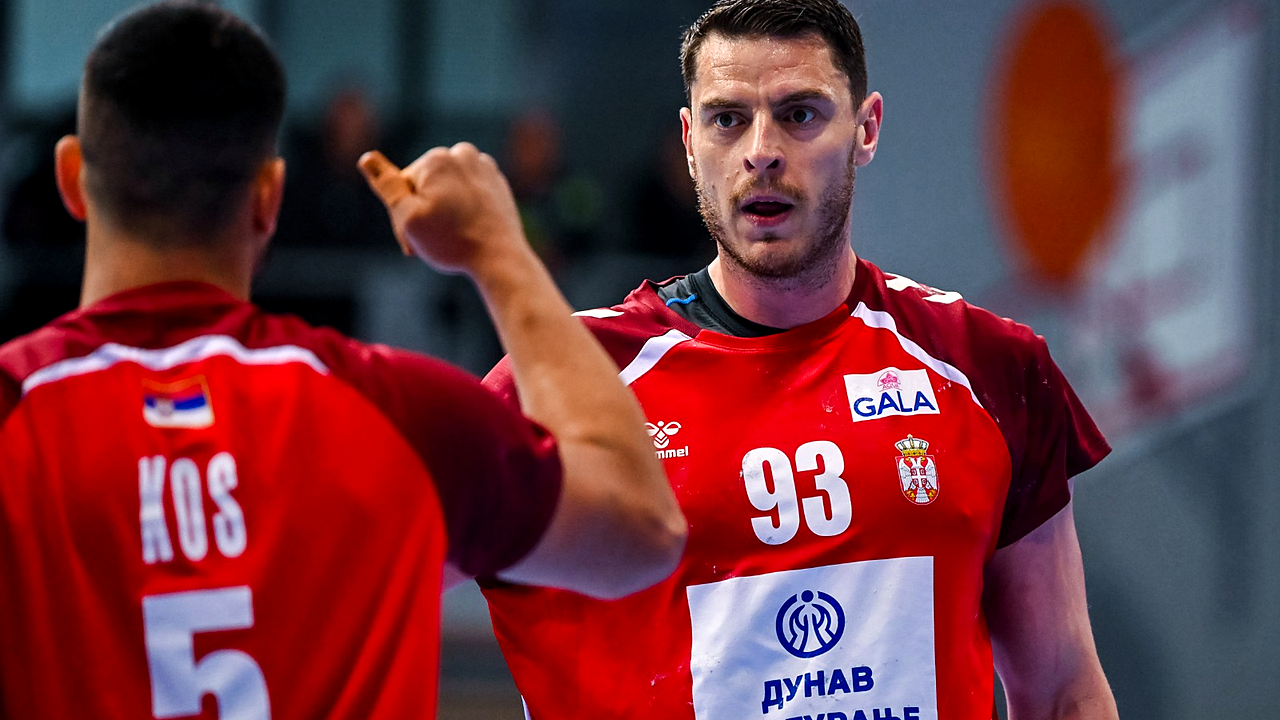
Mijajlo Marsenic has responded positively to Serbia’s handball group at the World Championship, where the national team will play Germany, Tunisia and Uruguay in Munich.
Serbia will contest the first phase at the tournament held in Germany from 13 to 31 January, with 32 teams split into eight groups of four.
Why Marsenic accepts the draw
Marsenic sees Serbia as the favourite against Uruguay and Tunisia, while the Germany match is one where a chance has to be earned. The clash with Germany brings both prestige and pressure.
Facing Germany in what will likely be a full arena in Munich gives Serbia’s younger players valuable experience. The order of the matches will shape how the team manages risk.
The Munich challenge
The group is demanding because the host changes the atmosphere with every possession. Tunisia and Uruguay should not be read as a formality.
The top three teams from each group advance, so Serbia has a clear path if it wins the matches where it is the favourite. Serbia’s younger players will need to stay calm in the Munich atmosphere.
| Area | Detail |
|---|---|
| Group | Germany, Serbia, Tunisia, Uruguay |
| City | Munich |
| Competition | World Championship from 13 to 31 January |
| Qualification | Top three teams advance |
Key details
The January calendar gives the coaching staff time to build a plan without rushing. Advancing with a positive result changes what follows in the competition.
Marsenic’s tone is confident but not careless, which is exactly the approach Serbia needs. Goal difference could matter if the group tightens.
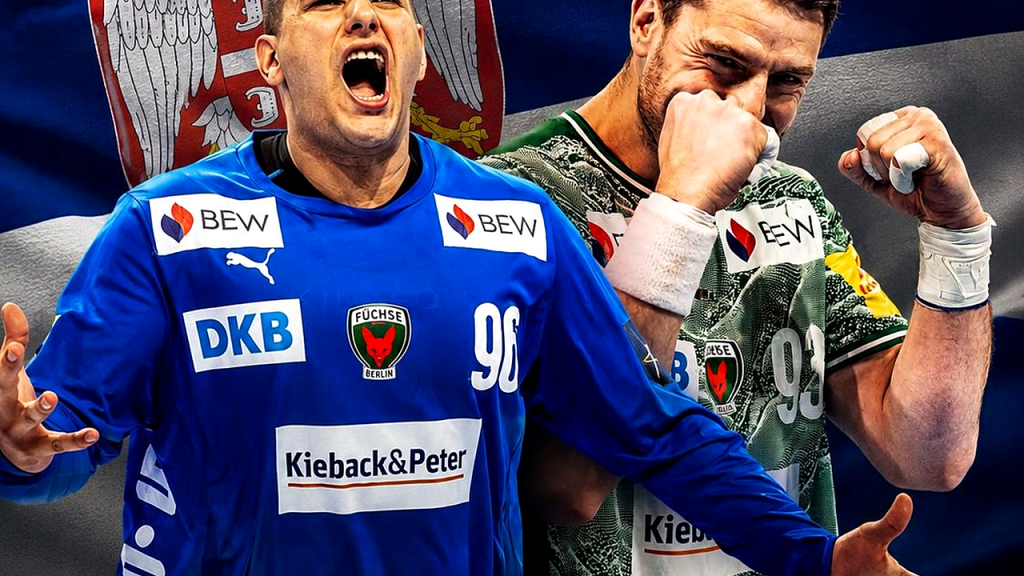
How Serbia should read the group
The key is taking points in the matches Serbia must control, so it can play against Germany without fear. Marsenic’s leadership gives Serbia an important emotional anchor.
Alongside the story on Marsenic welcoming Serbia’s group with Germany in Munich, the wider sporting picture is worth following through Serbia’s Manila VNL schedule gives the final tournament race a clear shape and Serbia sweep Bulgaria to close a statement VNL week in Brazil, which shows how Serbian sport is developing across several competitive fronts.
Marsenic spoke about a handball group that immediately sets Serbia two tasks: to play Tunisia and Uruguay without any lapses, and to treat Germany in Munich as the measure of the whole group.
The handball context matters because the draw should not be read through names alone. Germany brings home pressure and the energy of the arena, while Tunisia and Uruguay demand focus from the first attack.
Marsenic’s message is useful because it combines confidence and caution. Serbia has a path through the group, but that path depends on defence, goalkeeping rhythm and avoiding empty attacking spells.
Conclusion
The schedule gives Marsenic’s reaction to the draw a clear frame. Group: Germany, Serbia, Tunisia, Uruguay is the first anchor, and city: Munich shows where the pressure shifts once the opening matches are done.
The Serbian angle stays concrete because the next checkpoint is visible. Competition: World Championship from 13 to 31 January and qualification: top three teams advance place the story within the exact sporting calendar.
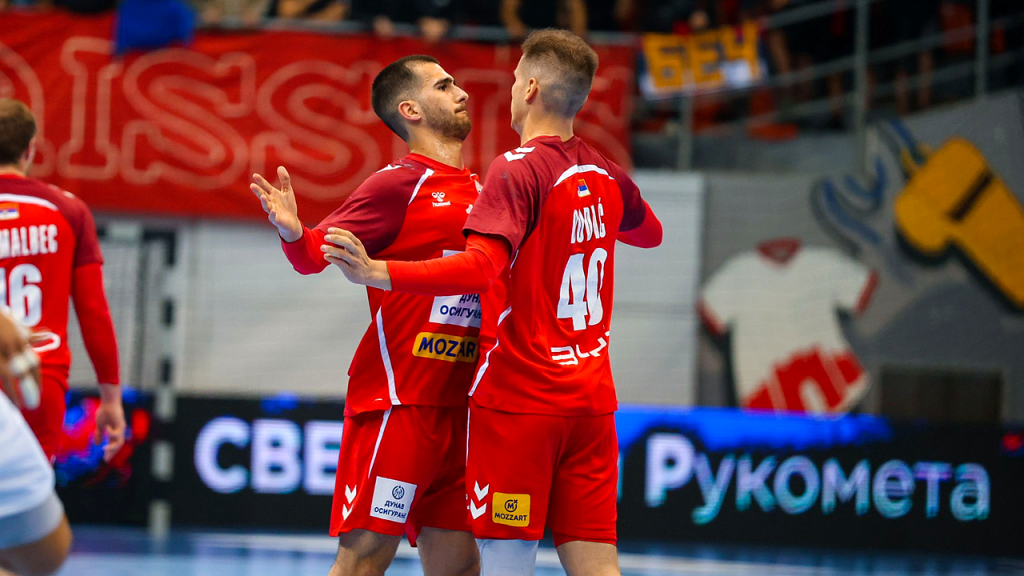
The most important question is rhythm. Serbia cannot separate the first step from the next, because the same team must carry its answer into the following challenge.
The next match or tournament block will show whether Serbia can keep the best part of this news. That answer will mean more than general expectations.
The final layer is reaction. Serbia already has a frame; the next result will show whether that frame becomes progress.
Serbia’s younger players will need to stay calm in the Munich atmosphere.
Goal difference could matter if the group tightens.
The order of the matches will shape how the team manages risk.
Marsenic’s reaction gives Serbia the right tone for the World Championship group: respect the danger, but clearly see the way forward.
From a handball perspective, the Germany match is the natural measure of the group, since Serbia will have to withstand long attacks, protect the space around the six-metre line and reduce the errors that open counterattacks.
Tunisia and Uruguay bring a different kind of pressure: Serbia will be expected to control the tempo, so the first ten minutes of those matches may decide whether the team plays calmly or chases a result that did not need to become complicated.
Marsenic’s role matters within that structure. His experience on the court helps Serbia organise its blocks, draw contact and keep the attack connected when the outside line comes under pressure.