
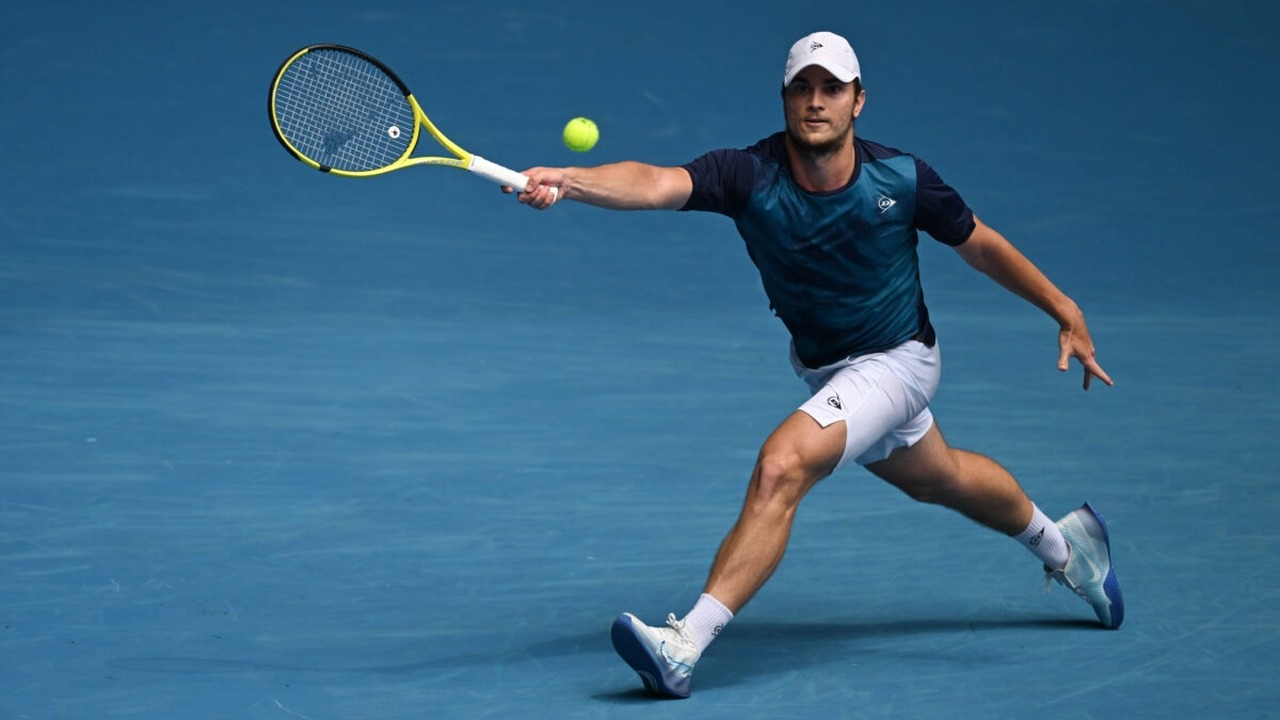
Miomir Kecmanović fell to Arthur Rinderknech 7:6, 4:6, 4:6 at the Montreal Masters. The second-round match lasted two hours and 50 minutes.
Kecmanović won a close first set on a tiebreak. Rinderknech then broke once in each of the remaining two sets to complete the turnaround.
Kecmanović takes the first tiebreak
The opening set was evenly contested, with both players holding serve in the big games. Neither built a lasting edge before the tiebreak. Kecmanović came through the tougher moments and played the closing points with more precision. He claimed the tiebreak 7:5 and went ahead in the match. Rinderknech kept relying on a powerful first serve, shortening games and stopping Kecmanović from controlling every rally.
The Serb found his chances whenever the first serve deserted him. Deep returns pressed the second shot and extended the longer exchanges. The opening set gave him an advantage, but not full control. Rinderknech stayed level in almost every service game.
A single break changes the second set
Kecmanović had break opportunities during the second set but did not convert them, and Rinderknech survived every difficult game. The Frenchman then seized his moment. One good return game created the lead needed for a 6:4 score. Kecmanović stayed in the rallies but failed to win back the lost serve. Rinderknech protected the advantage in the closing stages with reliable serving.
The match therefore moved into a deciding set. Both players won one tight segment each, thanks to small margins in the key points. Long games increased the physical toll on both men. Almost two hours had already passed, so a quick finish was not realistic.
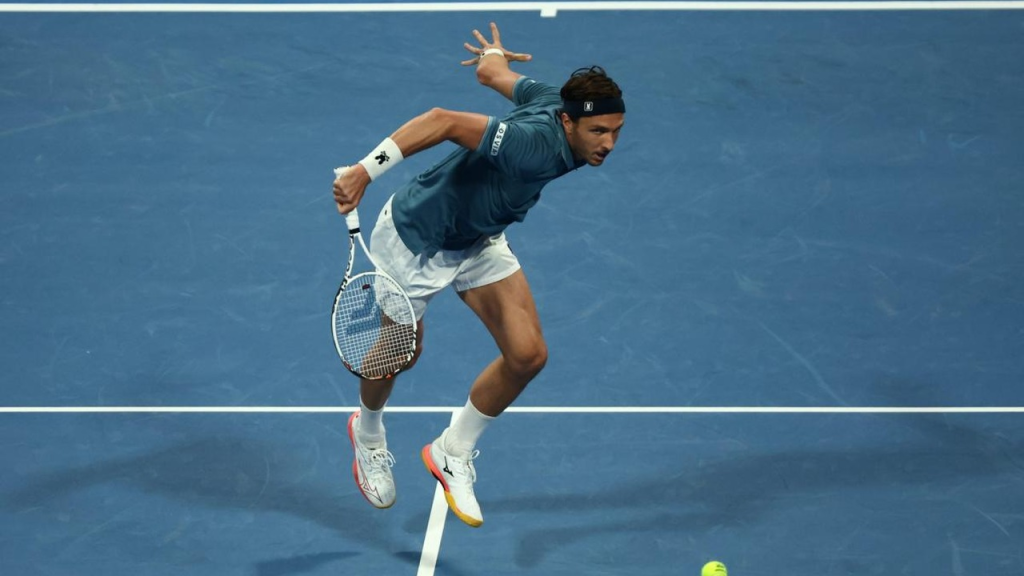
Artur Rinderknech serves during the hard-court match.
Kecmanović fails to convert break points in the decider
Early in the third set Kecmanović created four break points. Rinderknech saved each one and avoided falling behind again. The Frenchman stayed close through those defences until it was 4:4. He then pushed harder on the Serb’s serve. Rinderknech made the decisive break in the ninth game, leaving Kecmanović with just one immediate chance to respond.
The French player served out the win and completed the turnaround. After the first set, he took the next two by the same 6:4 score. Those early chances were the key missed moment for Kecmanović. He reached good positions but could not build a lead from them.
Rinderknech continues the tournament against Tiafoe
Rinderknech advanced to the next round, where he meets Frances Tiafoe. The win came after a demanding contest rather than a straightforward service-dominated match. Kecmanović leaves Montreal after almost three hours of evenly matched fighting. One break in each of the last two sets made the difference. His returns created enough openings for a different outcome, and the problem lay in taking those chances during the closing stages.
The Serb stayed close even after the rhythm shifted. The score remained level right up to the ninth game of the deciding set. The final 7:6, 4:6, 4:6 reflects a narrow defeat. Rinderknech handled the biggest break points better and deservedly moved on.
Rinderknech saves the important break points
Kecmanović reached return positions that could have changed the result. The four early chances in the third set were the clearest example. Rinderknech defended those points with stronger first shots. Each save allowed him to continue without falling behind in the next game.
Kecmanović did not receive the same protection at 4:4. The Frenchman took his later opportunity and reached a service game that would decide the match. That gap explains the result better than the total duration. The players were close, but Rinderknech took the decisive late chance.
Two sets are decided on tiebreaks
A long contest demands constant changes of movement and shot selection. Kecmanović used deeper returns when his opponent’s first serve weakened. Rinderknech answered by shortening points whenever an opening appeared. He conserved his energy and prevented every service game from stretching out.
The last two sets both finished 6:4. The pattern was similar, as one late break decided each set. Kecmanović stayed in the fight until the final minutes. Rinderknech advanced thanks to more accurate play in the biggest points.
Kecmanović takes the first tiebreak
The tiebreak win gave Kecmanović the lead without weakening his opponent’s main weapon. The Frenchman kept winning quick points with his first serve. Kecmanović had to press in shorter spells on the second serve. He reached those positions but did not create the break he needed.
The same pattern returned at the start of the deciding set. Four chances appeared, and Rinderknech saved each one. A tight tennis match is often decided by exchanges like that. Kecmanović kept creating opportunities while Rinderknech defended them and later took his own.