
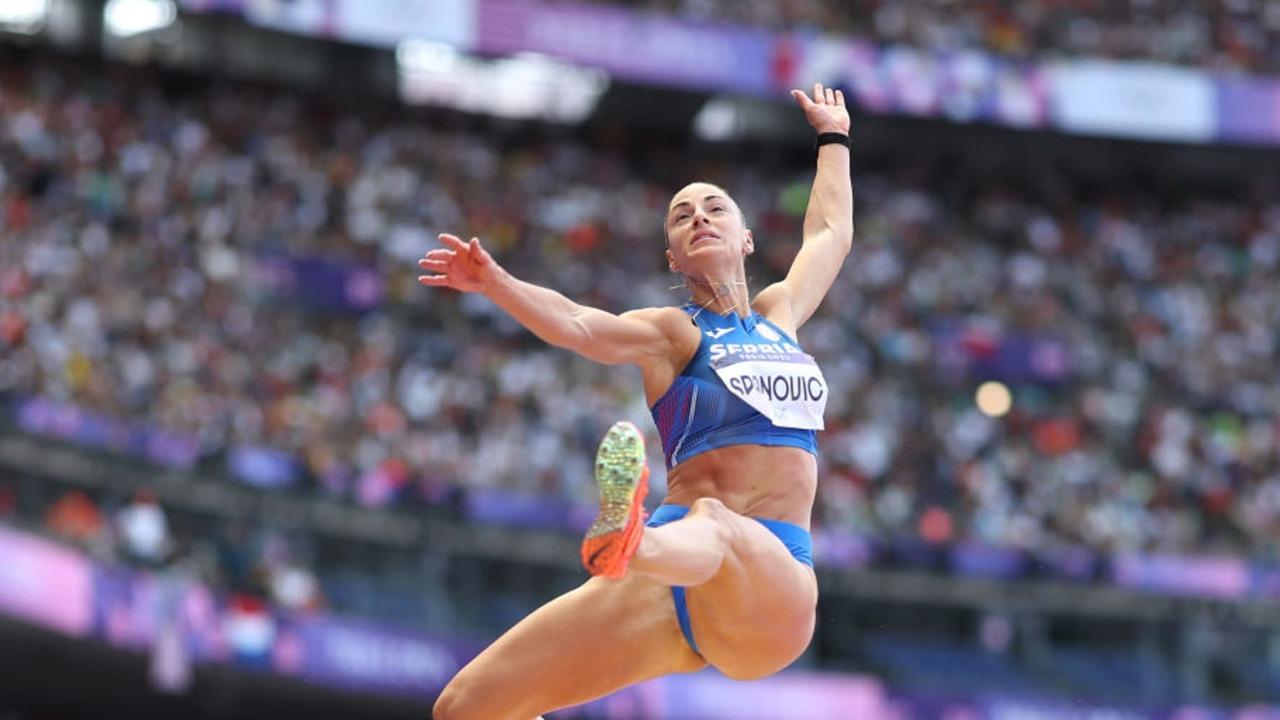
Ivana Španović has put her name forward for the European Athletics Athletes’ Committee. The ballot runs during the European Championships in Birmingham.
Accredited athletes will choose four women and four men for the new term. Voting is open from the fifth to the fifteenth of August.
The election is part of the programme in Birmingham
European Athletics published the full list of candidates before the championship got under way. Španović is representing the Serbian federation in the election. Accredited athletes at the competition are entitled to vote. In this way, active competitors directly pick the representatives who will speak on their behalf. The new committee serves a four-year term. Four women and four men will be elected on the athletes’ votes.
Birmingham is hosting both the competition and the election process. The two run separately, although many of the same accredited athletes are involved in each. The list includes current competitors as well as athletes with long international careers. Ivana Španović’s profile covers her experience from athletics meetings and the many demands that come with them. Travel, recovery, qualification and anti-doping procedures all affect athletes before a final result is reached. A committee member can raise those issues at official meetings. Španović has competed in different cities, conditions and stages of her career. That experience helps her compare problems across different competitions. The final choice, however, rests with the accredited voters. Medals confirm her experience, but they do not replace the vote.
Španović brings extensive international experience
Španović has represented Serbia in senior international athletics since 2005. She has taken part in six European Championships. Over her career she competed in the long jump and the triple jump. At major championships she gained experience of qualifying rounds, finals and long journeys.
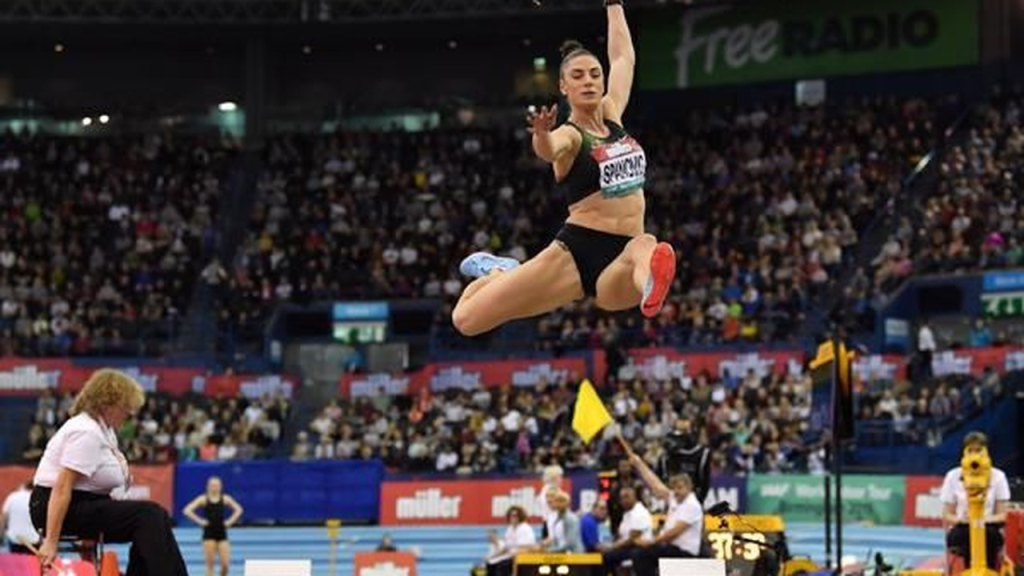
Ivana Španović competes in the long jump at an indoor athletics meet.
As a result, she knows well the demands placed on top-level athletes. She also understands the changes competitors face over a long career.
The candidate’s profile lists world, European and Olympic medals. Those results explain her recognition in European athletics. Ivana Španović’s career includes world, European and Olympic medals in the long jump. In recent seasons she has adapted her training and competition programme to the triple jump. The two events make different technical and physical demands. A long career has required decisions about recovery, competition schedules and changes in preparation. Experiences like these can inform discussions about athlete welfare without revealing private details. They also show why support is not the same at every stage of a career. Younger athletes often need advice, while more experienced ones think about recovery and future plans. The committee represents athletes at different points in their international careers.
The committee speaks for issues that matter to athletes
The Athletes’ Committee considers conditions of competition, welfare, integrity and athlete protection. It passes the views of athletes on to the leadership of European Athletics. The committee’s chair holds a seat and a vote on the European Athletics Council. A group elected in this way takes a direct part in official decisions. The representatives do not decide results or select national teams. Their work concerns the environment in which athletes train, travel and compete. Clear communication matters because competitors meet the rules at every competition. Their feedback can reveal practical problems early. A committee member hears from athletes across different disciplines and countries. A jumper can therefore speak on issues beyond the jumping events.
Španović has said that athletes should be heard and respected. She also stressed understanding and strong representation for all athletes.
Her message does not promise any specific rule change. It describes the principles she would stand for on the committee if elected. The message connects active athletes with those ending their careers. Those groups often have different concerns about support and future plans. Major championships run to a tight schedule with shared rules. Open communication links athletes, organisers and federations throughout that process. Athlete protection and integrity fall within the committee’s remit. European Athletics has procedures for reporting athlete concerns. Committee members review how those rules work across different federations. They also check whether the wording of the rules is clear to active athletes. In her message Španović emphasises listening and mutual respect. The committee works alongside European Athletics and other bodies. Members gather views before meetings and then report back to their colleagues. That process links conversations with athletes to how their concerns are presented publicly.
The list features candidates from across Europe
The published list includes athletes from many member federations of European Athletics. Voters are choosing continental representatives rather than those from a single national body. Each candidate has provided a short summary of their competitive background. The profiles also describe what the athletes hope to contribute during their term. The Serbian candidate is part of this wider field. Her medals strengthen her profile, but the final decision rests with the accredited voters.
The election sets aside places for women and men. That structure ensures both groups are represented on the new committee. Voting runs during the accreditation period and closes on the fifteenth of August. That timetable allows athletes competing on different days to take part. A sprinter who finishes the programme early and a thrower competing later both have access to the vote. The new body will consist of four women and four men chosen by their fellow athletes. Španović remains one of the candidates until the count is complete. Elected members serve a four-year term within European Athletics. Her nomination already gives Serbia a place in the electoral process.
The vote will decide the new line-up
Voting runs until 15 August, so the make-up of the committee is not yet known. Španović is a candidate but has not yet been elected to the committee. European Athletics will announce the representatives once voting closes. All candidates remain on the list until the election concludes.
The committee’s work continues after the championship through meetings and discussions with athletes. Elected members gather views beyond their own disciplines and personal experience. Her international career links Španović with competitors from many countries. Serbia therefore has a representative among the candidates from across Europe. The role involves preparing for meetings, handling confidential matters and reporting back to athletes after discussions. Athletes choose their representatives for a four-year term. Voting closes on 15 August.