
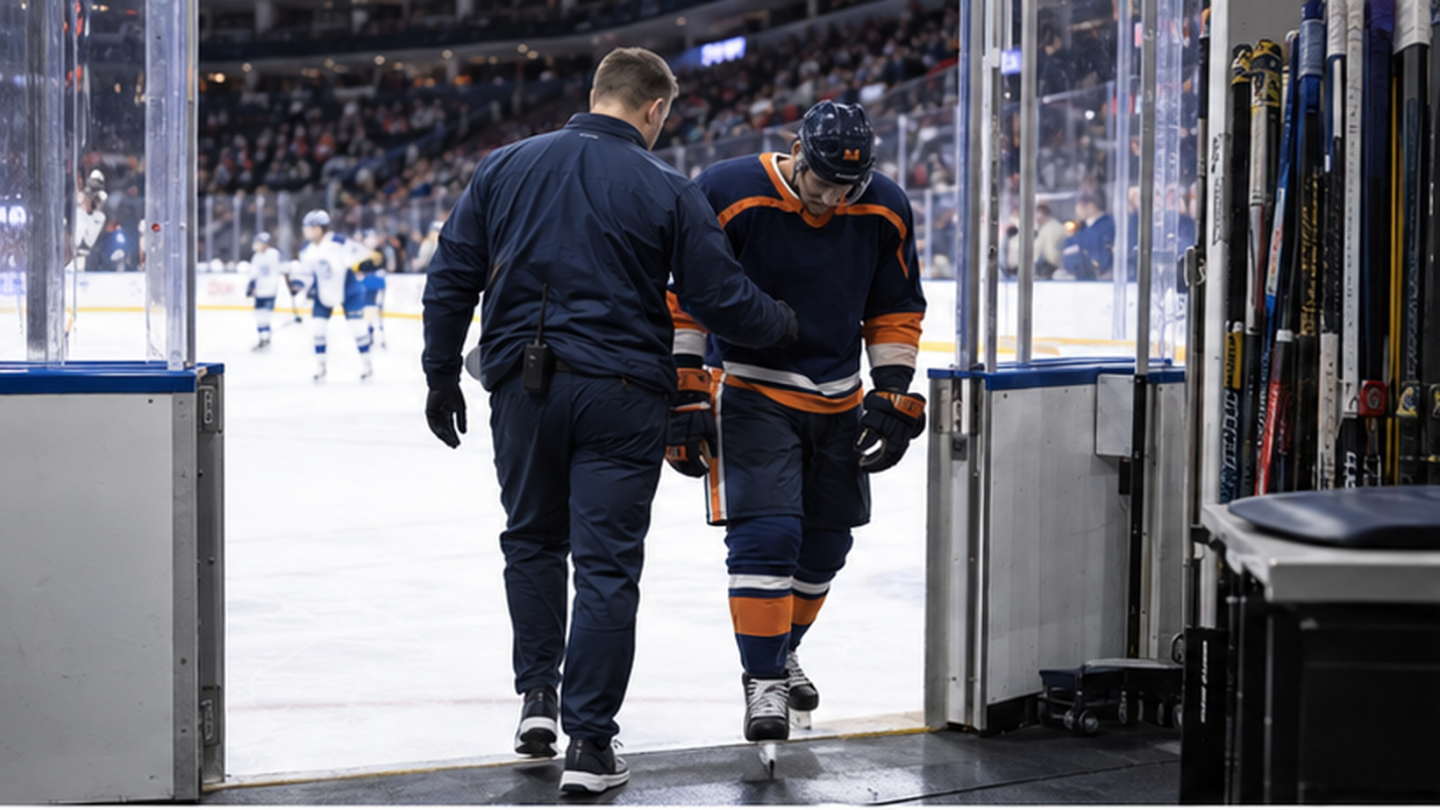
The Edmonton Oilers have placed Ryan Nugent-Hopkins on the injured list with a lower-body problem, while Met Savoie and Alec Regula have been moved to long-term injured reserve. The club has also urgently recalled Josh Samanski from Bakersfield. A series of changes at the start of the season thins out the depth of the roster and forces the coaching staff to shuffle lines, special-teams roles and ice time among players who had planned for a different season.
Nugent-Hopkins is worth more than his goal tally. He can play centre or wing, works on both the power play and the penalty kill, and his tactical reliability lets the coach rearrange the top players. His absence therefore opens up more than one spot. One player may take on the offensive minutes, another the defensive duties, and a third the job of working the zone during a man advantage. A change like this demands quick and clear communication.
Injuries shift the balance of the forward lines
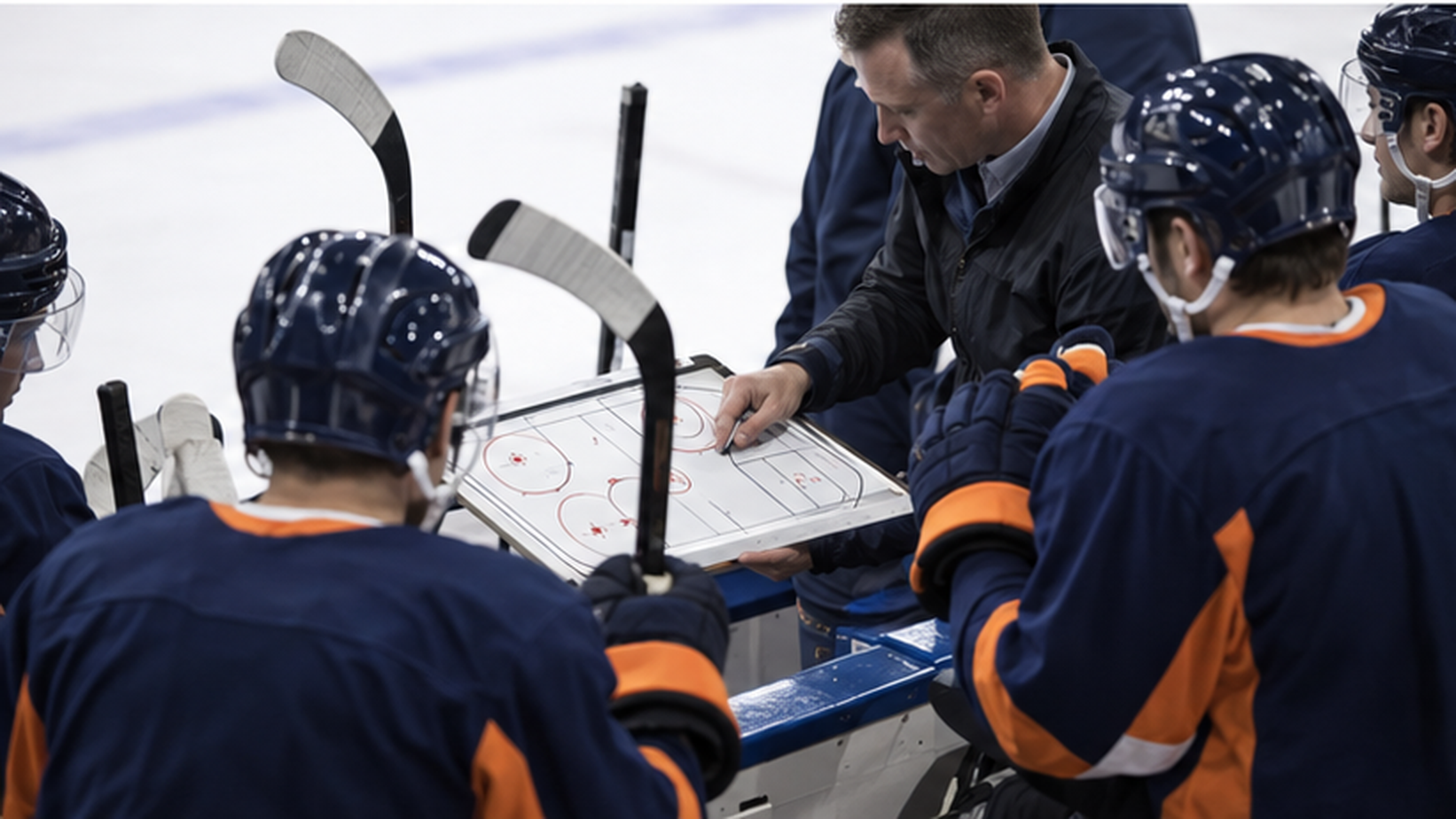
Edmonton must decide whether to group its strongest players together or spread them across several lines. Concentrating talent can produce dominant shifts in certain stretches, but it leaves the rest of the lineup with a harder job. A more even distribution helps across a full game, particularly on the road when the opponent controls the final change. Nugent-Hopkins was often the link between those approaches, so the coach will have to find a new combination.
Savoie’s move to long-term injured reserve further limits the options among the younger forwards. The club must now give opportunities to players who were not planned for a major role at the outset. Samanski gets his chance, but he is not expected to copy the experienced centre. It is more useful to give him clear tasks: energetic pressure, a safe exit from the zone and disciplined positioning without the puck. A simple plan makes the transition from the AHL easier.
Regula’s absence affects defensive rotation and the chance for the blueliners to rest. If several players take on extra minutes, the risk passes to the closing stages of games and to schedules with back-to-back fixtures. Edmonton has to monitor workload, not just the current result. The early part of the season matters, but overusing the leading players could create a bigger problem later.
Special teams become the first major test
Power-play success depends on automatic habits. Nugent-Hopkins knows when to drop low to the goal, switch sides or hold onto the puck under pressure. A replacement has to learn those decisions, not just take a place in the lineup. Edmonton may temporarily simplify its zone entries and add more shots, but opponents will quickly recognise the change. Special-teams practice therefore gets extra time.
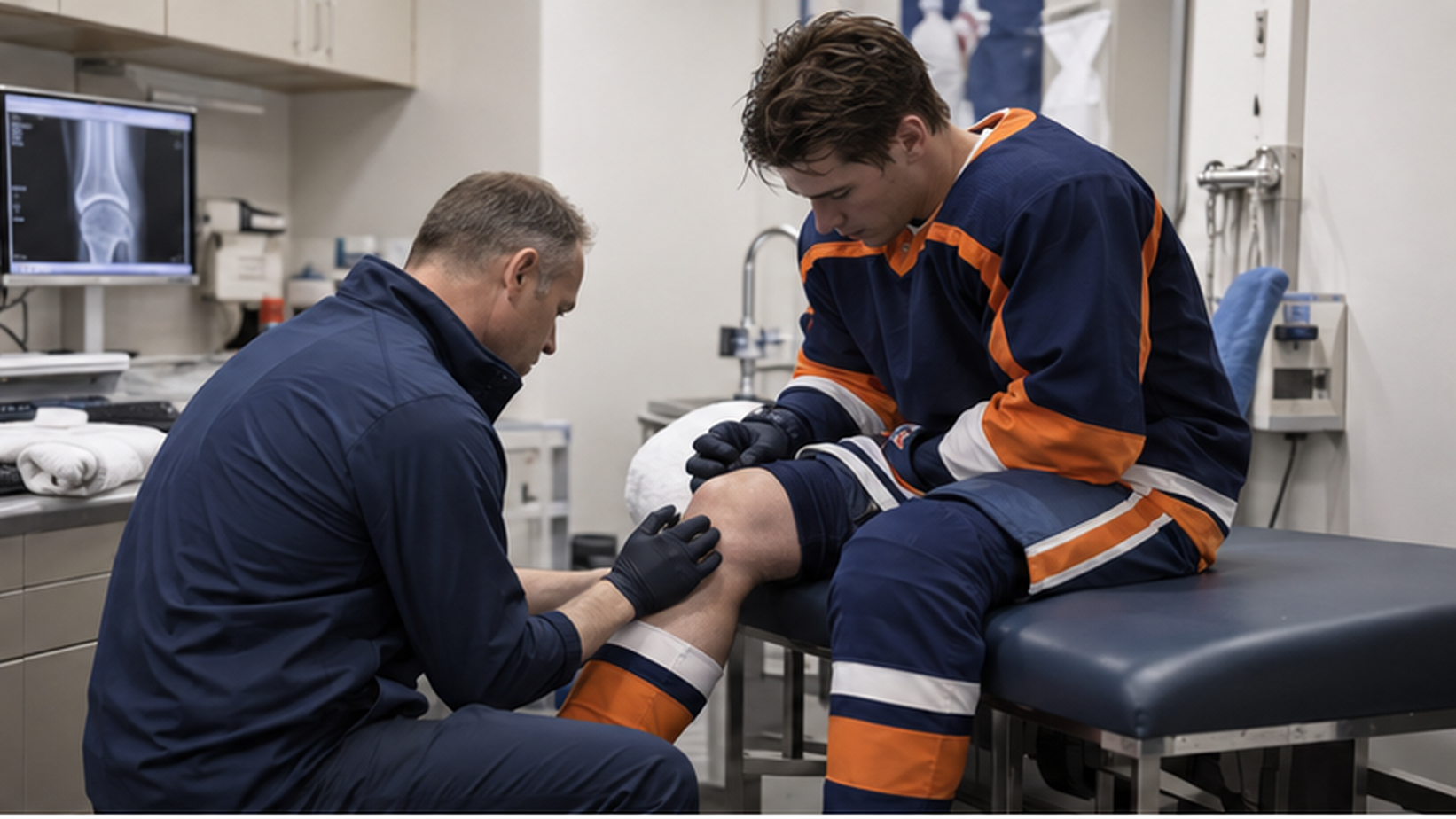
The club has not released a long-term forecast for Nugent-Hopkins’ return, so the plan will change in line with medical updates. The injured list creates room on the roster, but it does not in itself say how long the break will last. Most important is that the player regains full stability and strength before making contact. A return without readiness for sharp changes of direction and battles along the boards could raise the risk of a new injury.
Edmonton now has to turn an uncomfortable start into a test of roster depth. If the reserve players keep their energy and the top lines are not overloaded, the team can get through this period without a major loss. The return of the three absentees later would then add further competition. The first few games will show whether the system is stable enough to withstand the injuries or whether reliance on experienced leaders has been too heavy. The coaching staff will also watch how the new lines break out of their own zone. Nugent-Hopkins often offered a safe short pass and helped defencemen under pressure. Without him, forwards must come back with more precision and cannot leave the zone too early. If the first pass stays reliable, Edmonton will keep possession and reduce long shifts in its own end, which is crucial while the roster is shortened.